
Franklin Mill
Working for a developer and architect team, Pointknown provided full existing conditions documentation for this mixed-use industrial and commercial property at 305 Union Street. The scope combined mobile LiDAR, terrestrial scanning, drone capture, 360 imagery, surrounding topo and hardscape documentation, and a full Revit model of the site and buildings.
A reliable record
of what exists today
For Franklin Mill, Pointknown documented the existing conditions of the property to create a reliable digital foundation for future planning, design, and coordination. The documentation captured the building’s current state and transformed real-world conditions into organized digital information.
Complex existing buildings require more than traditional measurements. Architectural details, spatial relationships, structural elements, and site context all influence future decisions. Our team captured the conditions needed to help project teams understand the space, reduce uncertainty, and move forward with confidence.
Understanding the building before redesign begins
Existing conditions documentation gives the project team a clearer view of the building’s current state — helping designers evaluate existing elements, preserve important character, and make informed decisions throughout the redevelopment process.
From existing conditions to a dependable digital foundation
Franklin Mill required more than a visual reference. Pointknown transformed existing building conditions into organized digital deliverables that support preservation, redevelopment, and future design decisions.
Capture
Document the building as it exists — Existing conditions were captured to understand the current state of Franklin Mill, including architectural details, spatial relationships, and key elements that influence future planning.
Translate
Convert reality into usable information — Field data was transformed into accurate digital models and documentation that give architects and project teams a reliable starting point for design and coordination.
Share
Deliver a coordinated project package — Organized files and digital outputs provide the team with the information needed to evaluate conditions, communicate ideas, and move redevelopment efforts forward with confidence.
Existing conditions documented for adaptive reuse planning
Franklin Mill required a clear understanding of an existing industrial building and its surrounding context. Pointknown created a coordinated documentation package combining visualization, modeling, and technical drawings to support future design decisions.
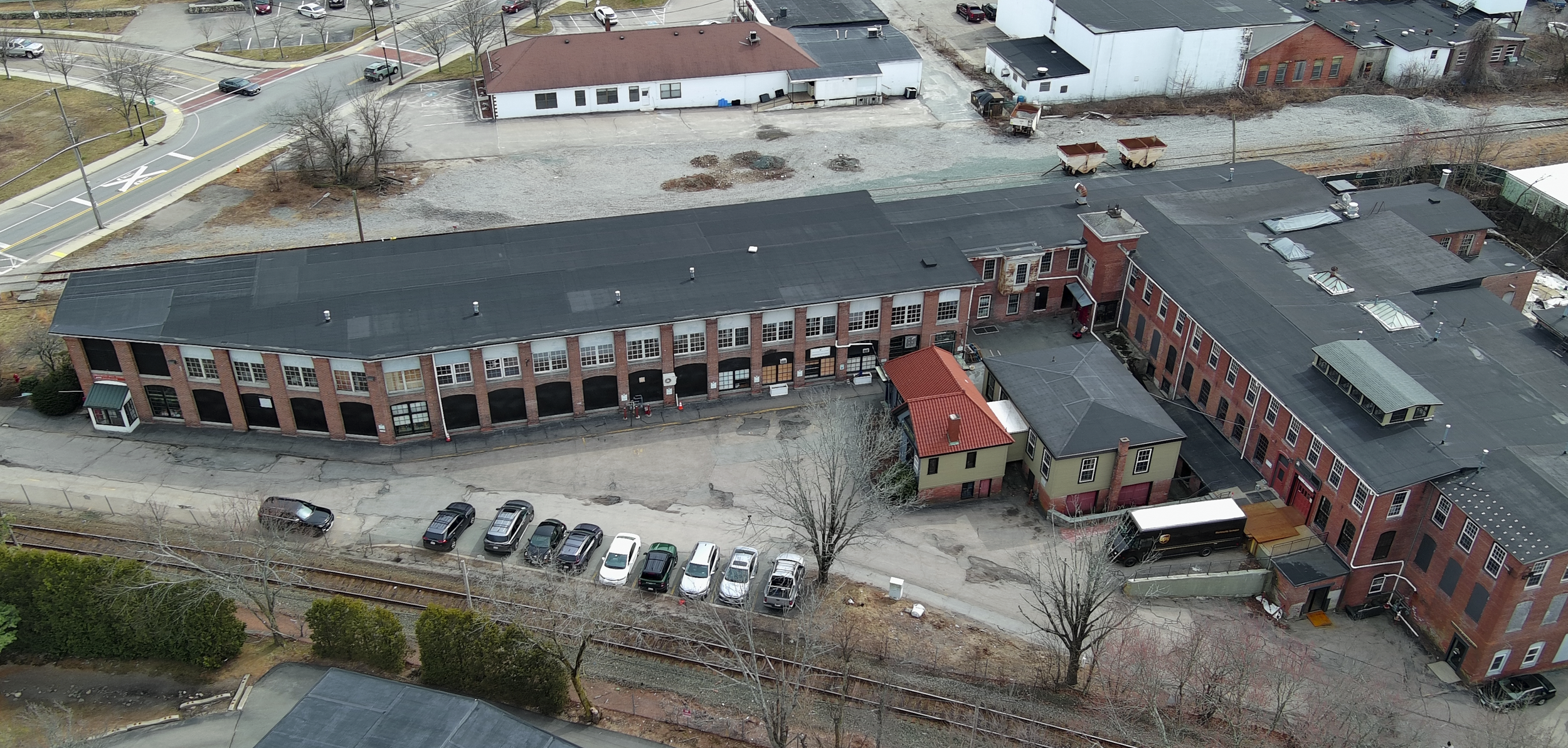
Site context captured from above
Aerial documentation provides a complete view of Franklin Mill’s building footprint, surrounding site conditions, roof geometry, and relationship to the larger property.
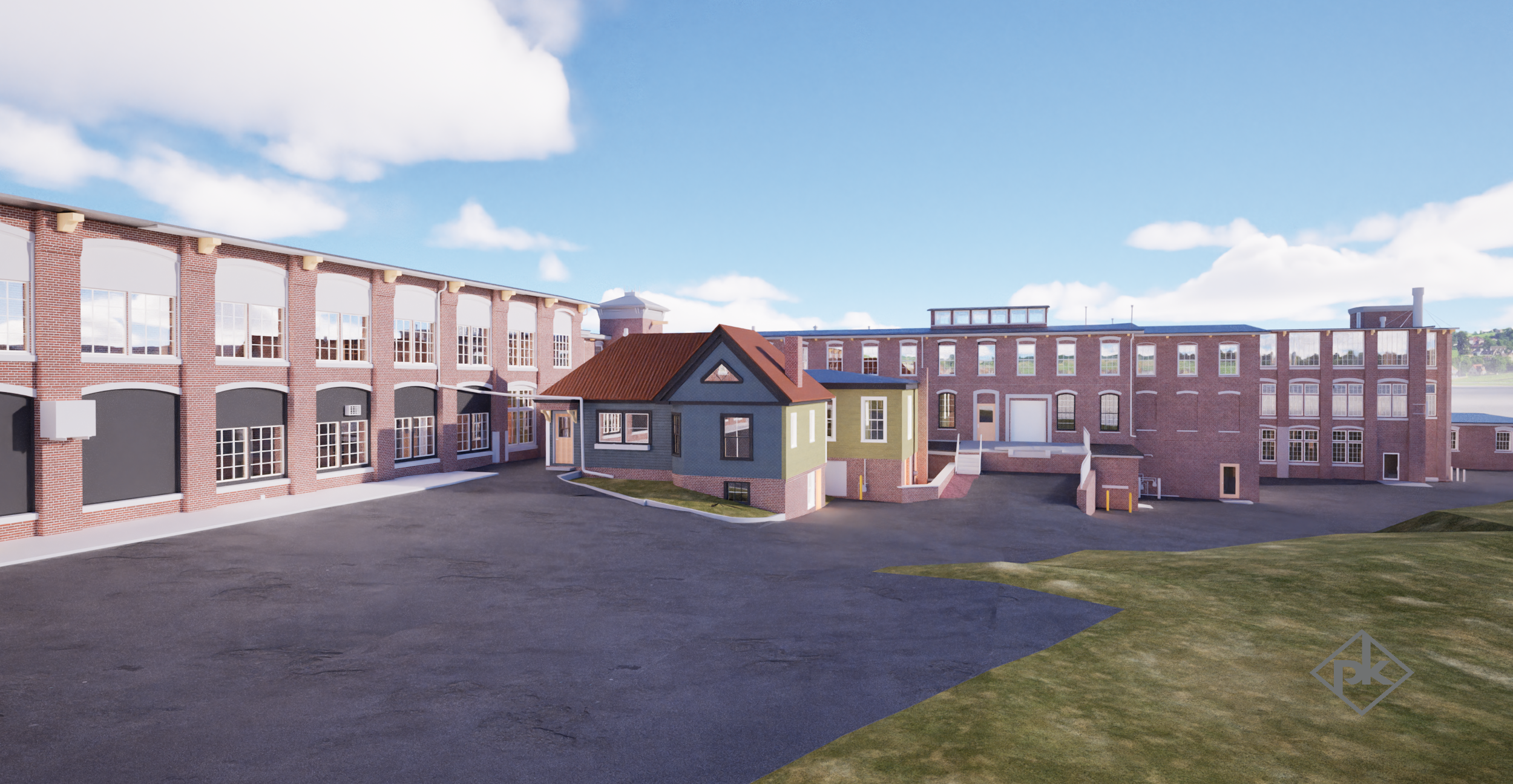
Understanding the building before transformation
Existing condition visualization helps teams evaluate the current building form, exterior character, and opportunities for future redevelopment.
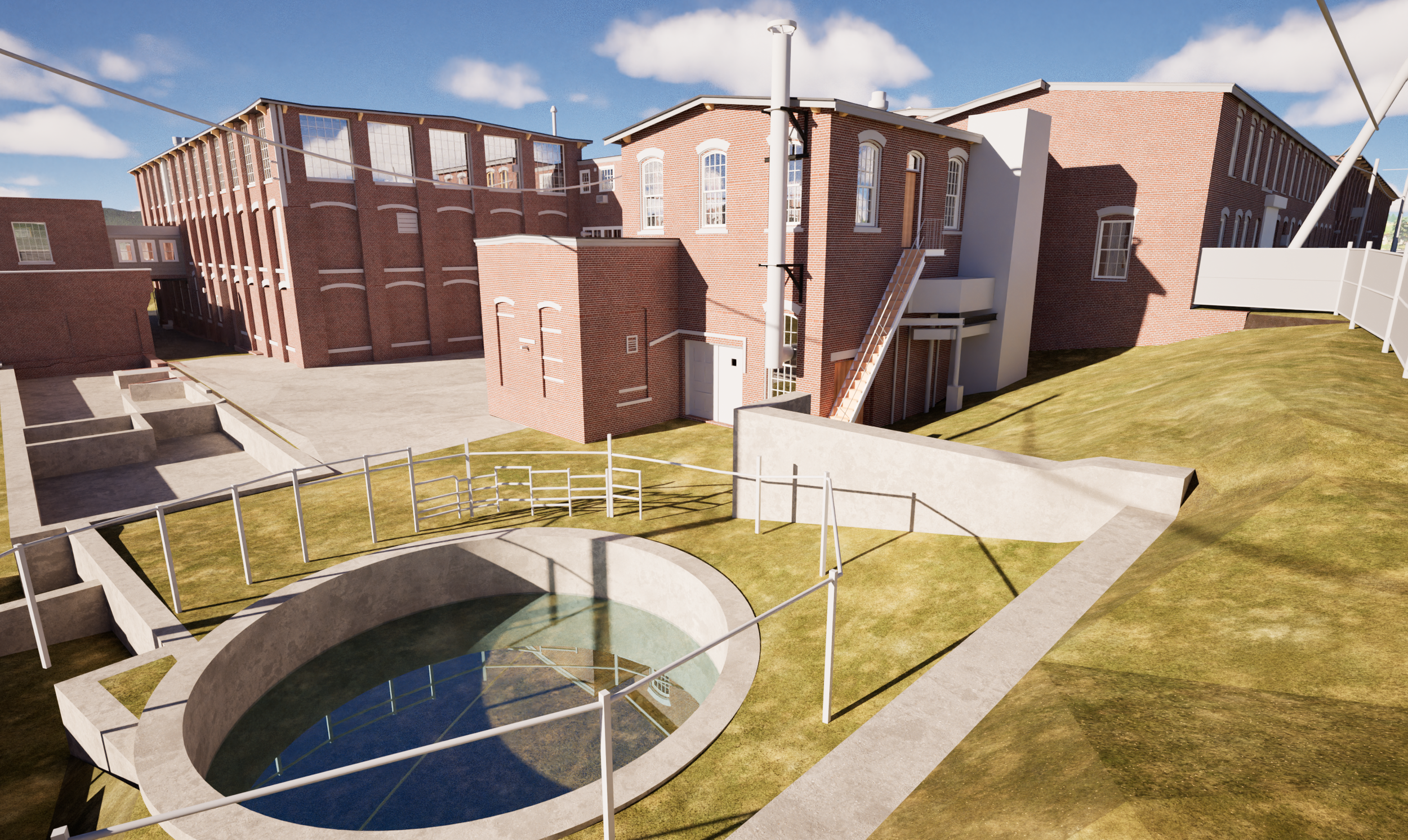
Complex conditions made visible
Rear building views capture site relationships, utility areas, and exterior conditions that influence future design decisions.
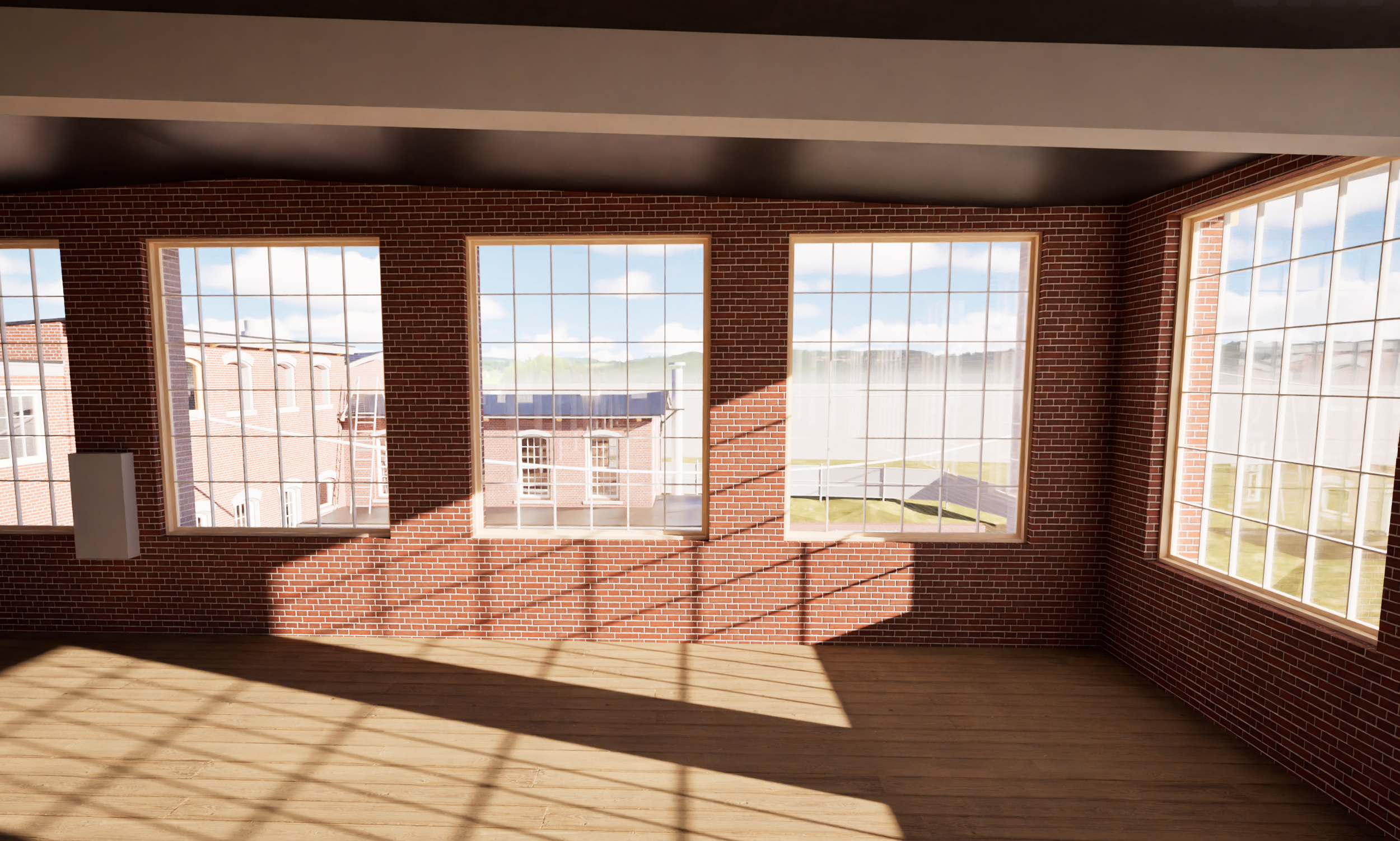
Preserving interior character
Interior views highlight existing spatial qualities, historic elements, and the character that shapes adaptive reuse planning.
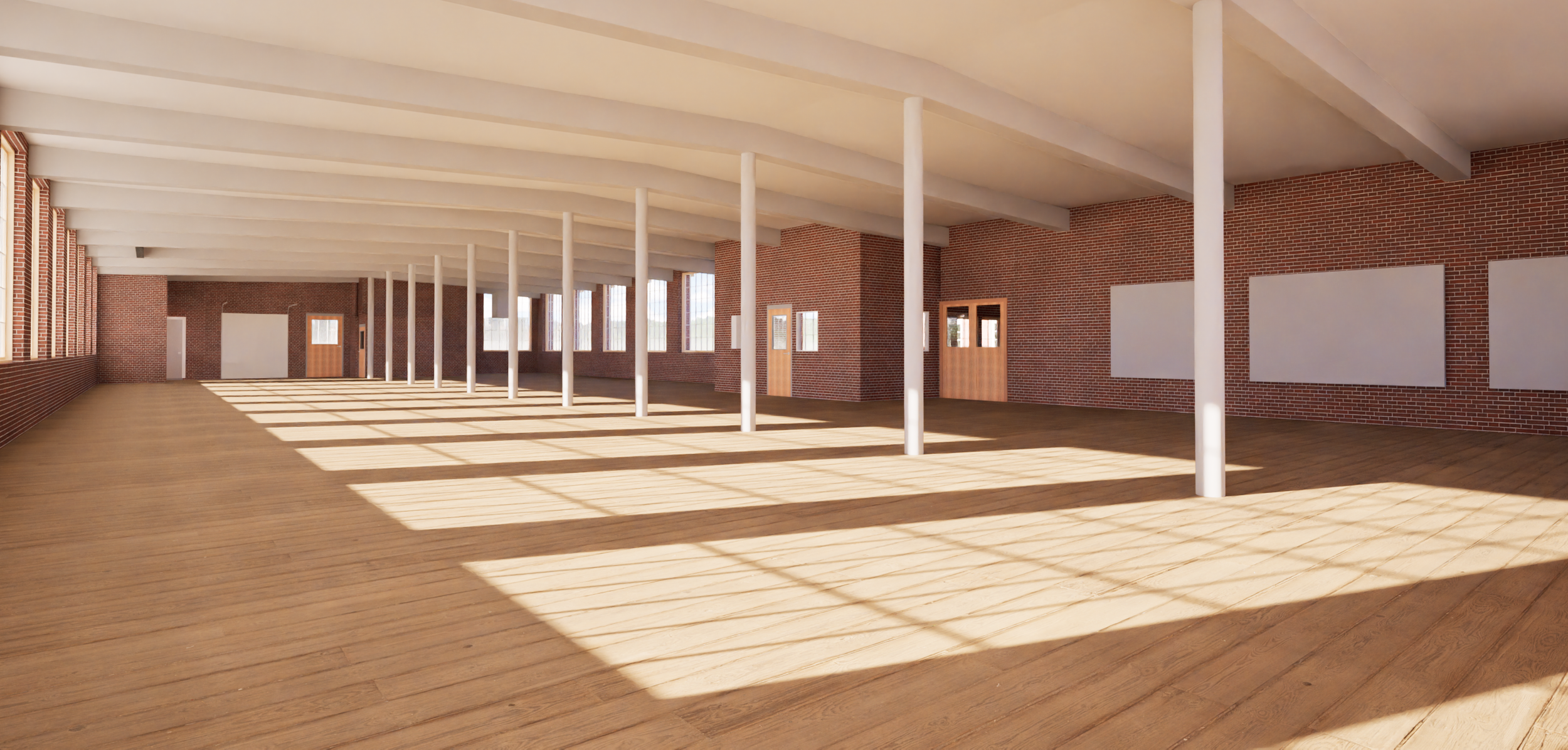
Space, structure, and reuse potential
Open floor plate views communicate column spacing, structural rhythm, and the possibilities within the existing building framework.
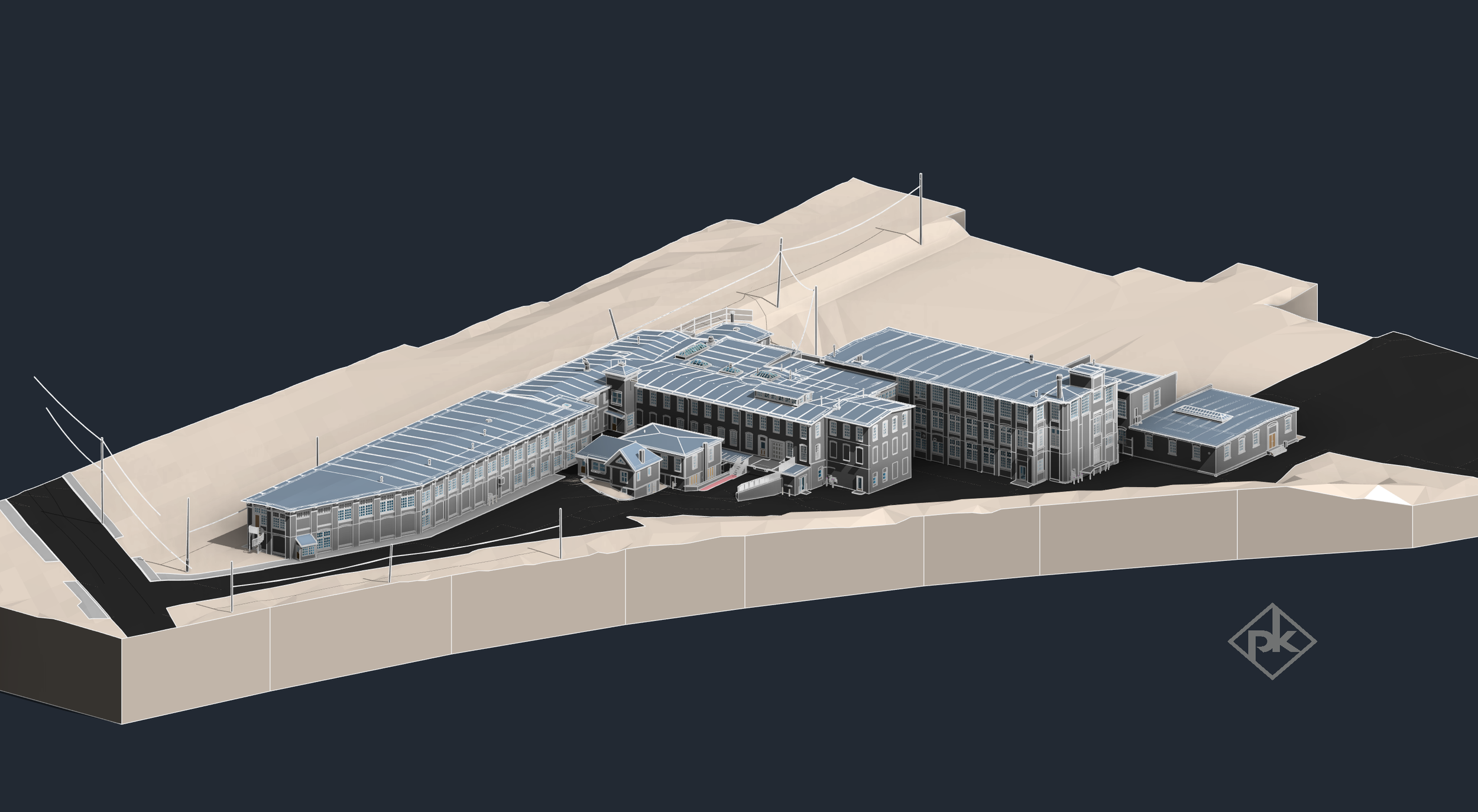
A digital foundation for redevelopment
The existing conditions model organizes the building’s geometry into a usable digital resource for design coordination, planning, and future documentation.
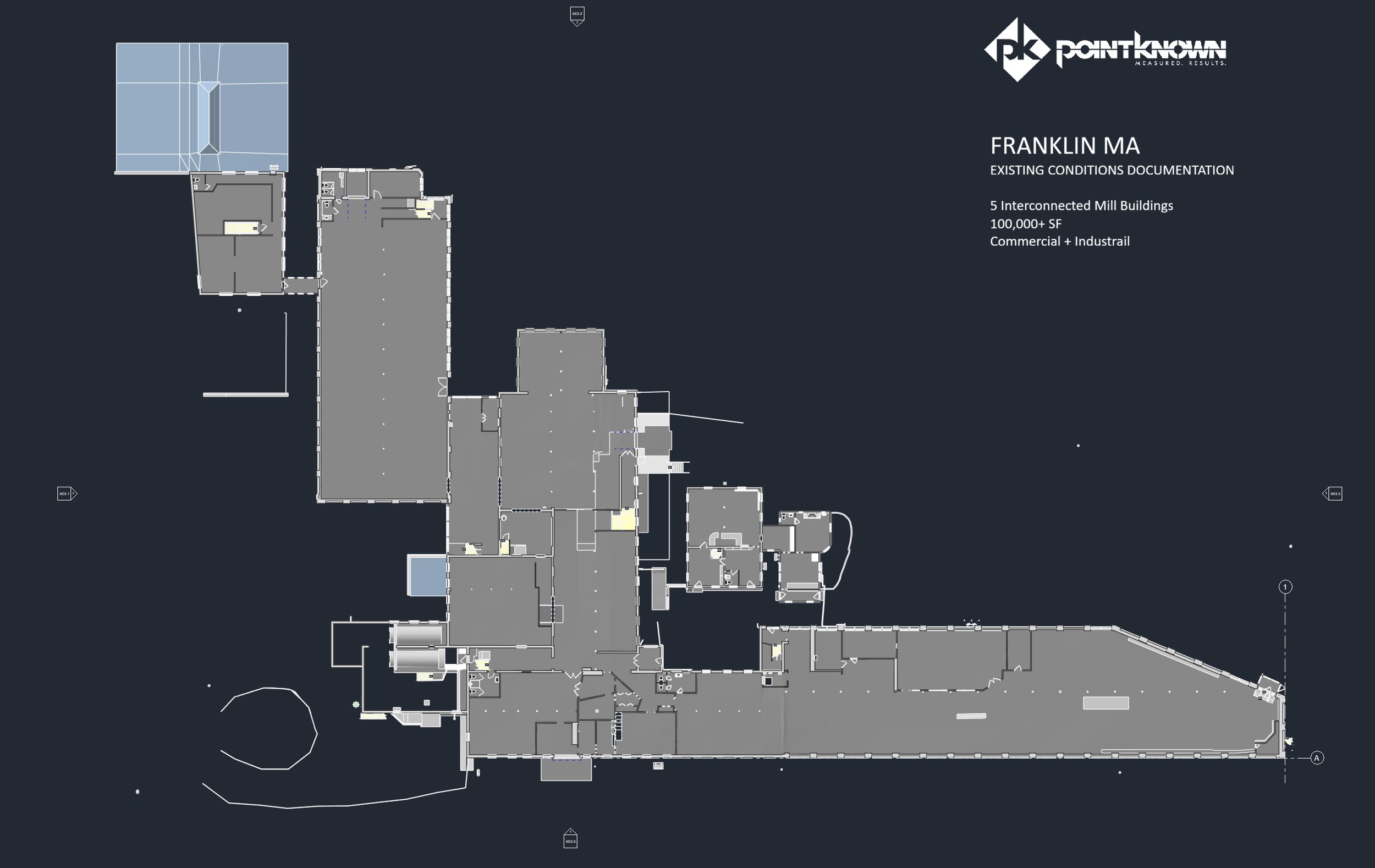
Drawings ready for coordination
Floor plans and architectural documentation provide the team with clear references for space planning, review, and redevelopment decisions.
A digital record built for complex building decisions
Franklin Mill required more than documentation of measurements. The project needed a reliable digital reference that could help teams understand existing conditions, evaluate opportunities, and move forward with confidence during redevelopment planning.
The building becomes easier to understand before design begins.
By converting existing conditions into organized digital information, Pointknown gave the project team a clearer way to evaluate the mill’s geometry, interior character, and redevelopment potential without relying only on assumptions or repeated site visits.
A complete digital record for future building decisions
Franklin Mill required more than isolated drawings or images. The documentation package brings together measured geometry, digital models, technical outputs, and visual references to give the project team a reliable understanding of the existing building.
Revit Existing Conditions Model
A structured digital model capturing the existing mill geometry and providing a foundation for future design coordination and redevelopment planning.
Existing Building Visualization
Rendered views communicate building character, interior conditions, and redevelopment possibilities for design discussions and stakeholder review.
CAD + PDF Documentation
Architectural drawings provide clear references for floor layouts, elevations, and existing conditions throughout the project lifecycle.
Drone Site Documentation
Aerial imagery captures the full mill complex, roof conditions, surrounding site context, and relationships that are difficult to understand from the ground.
Architectural Elevations
Existing elevation drawings document the mill's exterior geometry, façade relationships, and architectural character, providing reliable references for preservation and adaptive reuse planning.
Experience shows up in the handoff
The best documentation teams do not simply collect data. They know what matters, what to ignore, what to model, what to share, and how to package it so the next team can work.
We scope for the decision ahead
Each capture effort is shaped around what the client, architect, consultants, and builder need to understand next.
We know the deliverable ecosystem
Revit, CAD, SketchUp, PDF, drone media, 360 photography, and shared file structures all play different roles.
We make complex properties easier to communicate
The goal is not to show every piece of data. The goal is to make the right information accessible, clear, and usable.
If you are planning, renovating, leasing, or evaluating a building, clear existing conditions matter.
Pointknown helps design teams and property stakeholders move forward with confidence by turning existing buildings into usable, decision-ready information.