

Brookline Residence
Pointknown documented a Gothic Revival–style property where architecture and landscape are deeply interconnected. The scope included the main residence, a detached carriage house, and complex site conditions defined by steep grade changes, exposed ledge, and a natural stream running through the property. Using a combination of LiDAR scanning, drone photogrammetry, and ground-based capture, Pointknown created a unified existing-conditions model that integrates both structures and terrain into a single accurate dataset. This allows the site to be understood holistically, supporting renovation planning, permitting, and design coordination with clarity and precision.
One property.
Buildings, terrain, and context captured together
For this historic Brookline residence, Pointknown documented more than the buildings alone. The scope included the main residence, detached carriage house, and surrounding landscape, including steep grade changes, exposed ledge, and a natural stream running through the property.
Combining LiDAR scanning, drone photogrammetry, and ground-based capture created a unified existing-conditions dataset that brings the architecture and site together. This gives the project team a clearer foundation for renovation planning, permitting, and coordination without treating the buildings and landscape as separate pieces of the property.
The property, understood in context
Field photography and visual documentation provide another layer of understanding—helping the project team see the existing architecture, site conditions, and character of the property alongside the measured digital record.
A coordinated workflow from capture to existing-conditions model
The process brings field capture, terrain documentation, and building geometry together into one coordinated existing-conditions dataset the project team can use for planning, renovation, permitting, and design coordination.
Capture
Document the full property — LiDAR scanning, drone photogrammetry, and ground-based capture were used to document the main residence, detached carriage house, and surrounding site conditions, including steep grade changes, exposed ledge, and the natural stream.
Translate
Build one coordinated dataset — The captured information was brought together into a unified 3D existing-conditions model that connects the buildings and terrain, giving the team a clearer understanding of how the property works as a whole.
Coordinate
Create a reliable starting point — The completed model supports renovation planning, permitting, and architectural, structural, and civil coordination while reducing uncertainty around grading, drainage, existing conditions, and preservation.
Existing conditions documented from field capture to design-ready information
A coordinated documentation package combining 3D scanning, LiDAR capture, Revit modeling, technical drawings, and visual references to give the project team a reliable understanding of the existing residence.
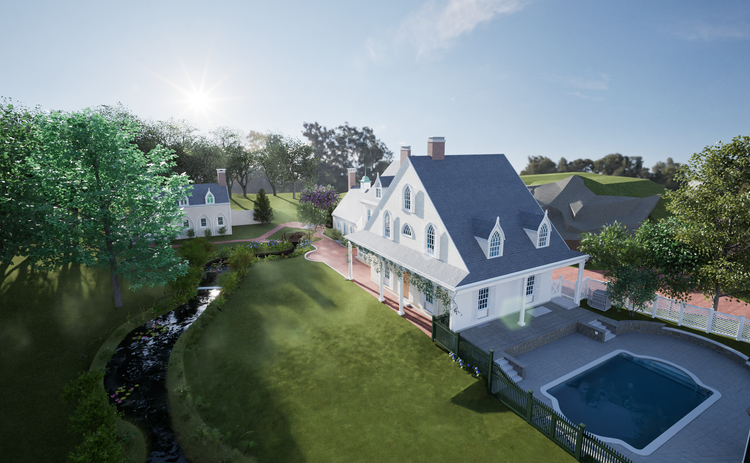
Existing conditions captured in three dimensions
3D scanning captured the residence as it existed in the field, creating a detailed digital record of the building's geometry and spatial relationships.
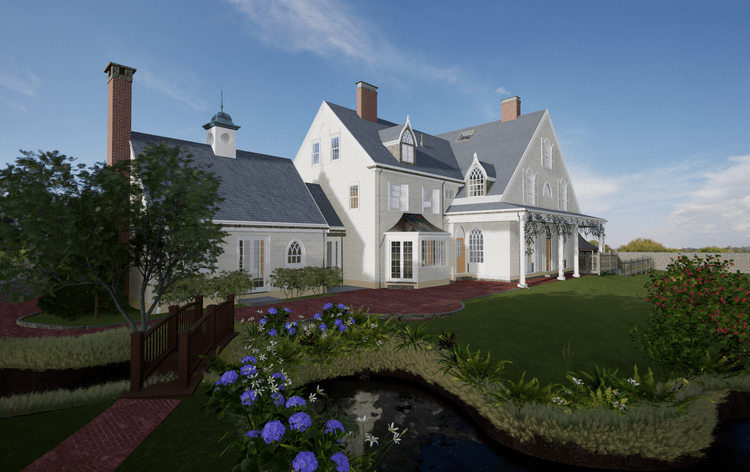
A coordinated digital foundation
Scan information was translated into an existing-conditions Revit model that provides a reliable foundation for renovation planning and design coordination.
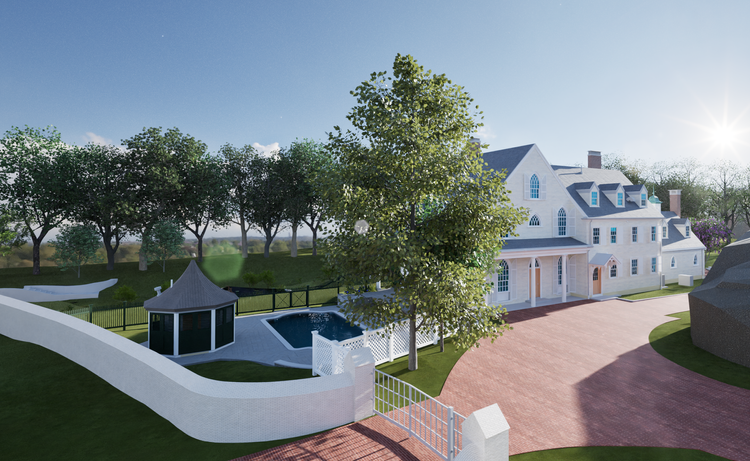
Measured information behind the model
LiDAR capture provided the measured field information needed to document existing geometry and support accurate downstream modeling.
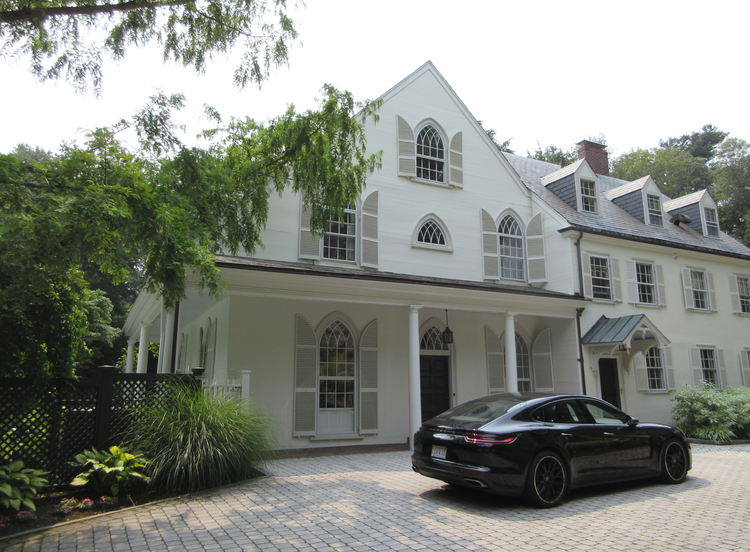
The physical property kept in context
Existing-condition photography provides a visual reference alongside the measured documentation, helping the team connect model information back to the actual building.
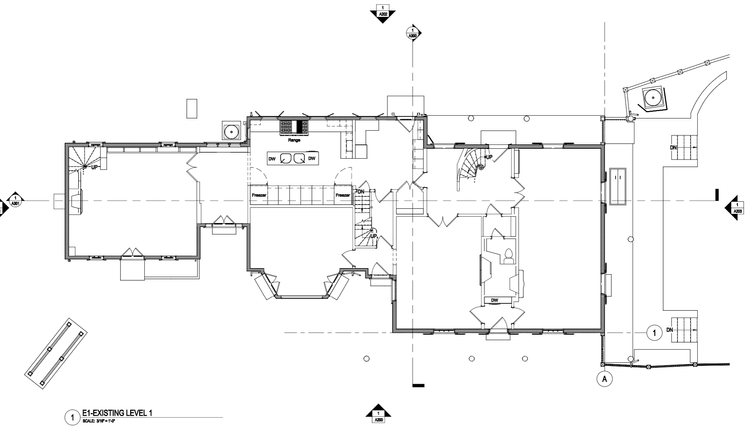
Layout and circulation clearly documented
Existing-condition floor plans organize the building layout into a practical reference for understanding rooms, circulation, and spatial relationships.
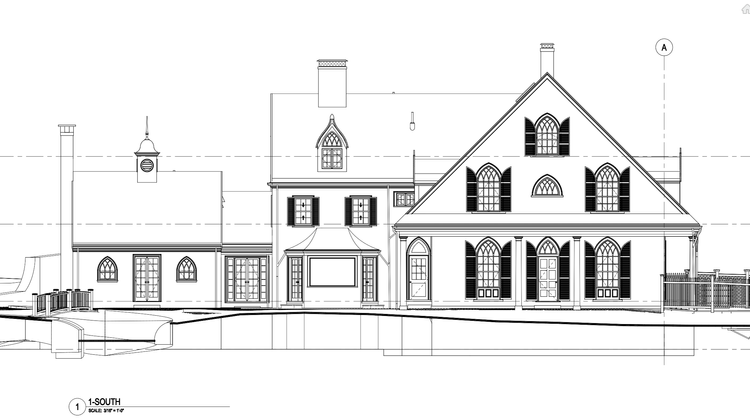
Building form documented beyond the plan
Elevation and section documentation provides additional information about vertical relationships, exterior geometry, and the existing building form.
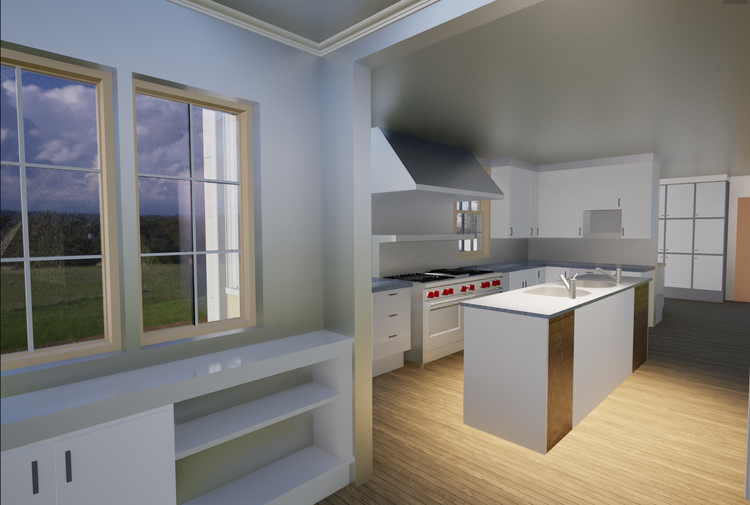
Interior conditions captured in detail
Interior scanning provides a closer record of existing spaces and features, giving the project team additional context for renovation and design decisions.
Turn measured conditions into information the design team can use
The value of reality capture is not only in collecting measurements. It is in translating those measurements into a clear understanding of the existing property that can support renovation planning, coordination, and design decisions.
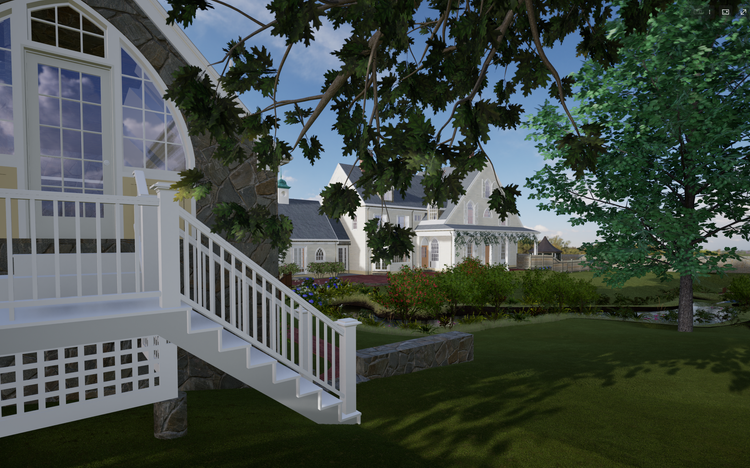
The real value is what the team can understand after the scan.
For the Brookline Residence, 3D capture provided the measured foundation for understanding the building, its interior and exterior conditions, and its relationship to the surrounding property. That information was translated into coordinated model and drawing outputs that could support the next stage of work.
A complete record of the existing residence
The Brookline Residence documentation brings together measured building information, 3D scanning, coordinated model views, and technical drawing outputs so the project team has a reliable reference for understanding existing conditions.
Revit Existing-Conditions Model
A coordinated digital model captures the existing building geometry and provides a reliable foundation for renovation planning and design development.
3D Scan + LiDAR Data
Detailed scan information records existing conditions in three dimensions, giving the project team a deeper reference than photographs or drawings alone.
Floor Plans + Elevations
Technical drawing outputs make the building layout, exterior conditions, dimensions, and relationships easier to review and coordinate.
Sections + Model Views
Sectional and three-dimensional views help communicate building geometry, interior conditions, and relationships that are difficult to understand from plans alone.
Existing-Condition Photography
Site photography provides visual reference for the property's actual conditions and complements the measured model and technical documentation.
Experience shows up in the handoff
The best documentation teams do not simply collect data. They know what matters, what to ignore, what to model, what to share, and how to package it so the next team can work.
We scope for the decision ahead
Each capture effort is shaped around what the client, architect, consultants, and builder need to understand next.
We know the deliverable ecosystem
Revit, CAD, SketchUp, PDF, drone media, 360 photography, and shared file structures all play different roles.
We make complex properties easier to communicate
The goal is not to show every piece of data. The goal is to make the right information accessible, clear, and usable.
If you are planning, renovating, leasing, or evaluating a building, clear existing conditions matter.
Pointknown helps design teams and property stakeholders move forward with confidence by turning existing buildings into usable, decision-ready information.