

54th Street Residence
Existing conditions documentation for a Midtown Manhattan residence overlooking MoMA's sculpture garden. Located just steps from the Museum of Modern Art in Midtown Manhattan, this residence sits within one of New York City's most architecturally layered blocks. Pointknown documented the full interior of the property and delivered a coordinated CAD documentation package to support future renovation and design work.
A reliable interior baseline for a complex Manhattan residence.
Located in Manhattan near the Museum of Modern Art’s sculpture garden, this residence existed within a dense urban environment shaped by layers of previous construction and architectural changes.
Pointknown documented the interior conditions of the property to create a reliable design foundation — giving the project team accurate geometry and a clearer understanding of the existing space before future decisions were made.
The existing building had to be understood before it could be transformed.
Accurate interior documentation gave the design team a clearer understanding of existing geometry, room relationships, architectural details, and spatial constraints—creating a reliable foundation for renovation decisions before work moved forward.
A complete interior documentation workflow from capture to handoff.
The 54th Street Residence was documented through a coordinated capture process that transformed existing interior conditions into clear, usable design documentation—giving the project team a reliable foundation for future renovation work.
Capture
The residence was documented using mobile LiDAR scanning and structured photographic capture to record interior geometry, architectural features, and spatial relationships throughout the property.
Translate
Field data was converted into coordinated CAD documentation, including floor plans, interior elevations, and building sections organized for architectural planning and renovation workflows.
Deliver
The final documentation package provided the design team with accurate existing conditions information that could be referenced throughout planning, coordination, and future design decisions.
Interior conditions documented for renovation planning
A complete interior documentation package that translated existing apartment conditions into accurate drawings and references the design team could use for planning, coordination, and future improvements.
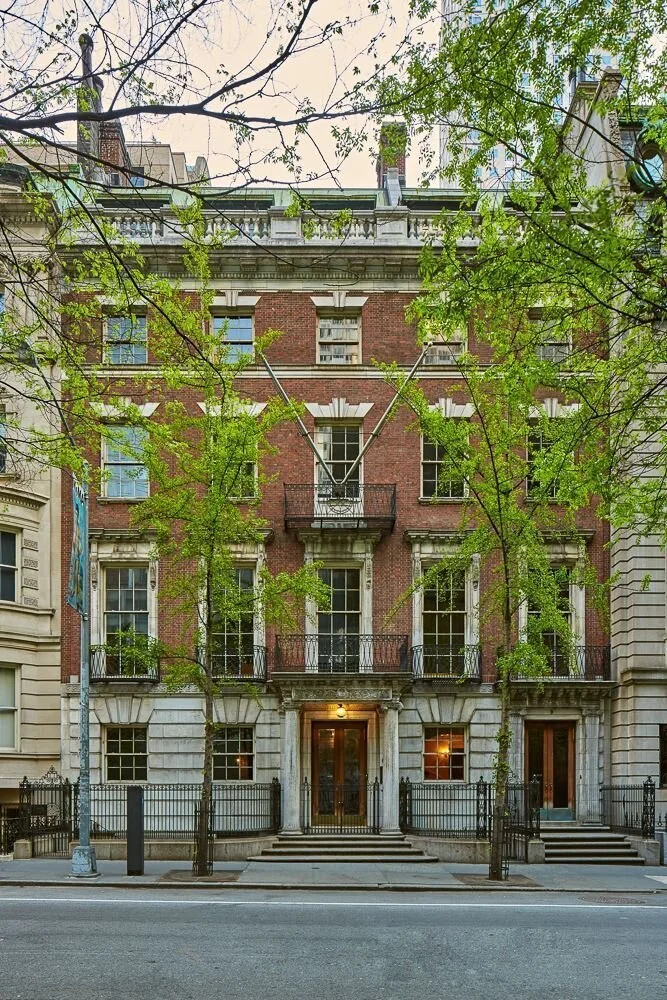
Interior conditions captured clearly
The residence was documented to establish an accurate record of existing rooms, finishes, circulation, and architectural conditions before renovation planning began.
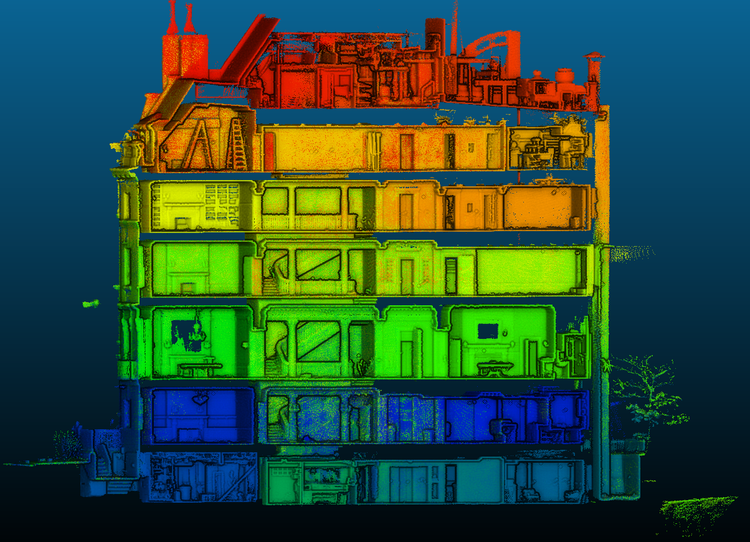
Vertical relationships made visible
Section drawings provide a clearer understanding of ceiling heights, spatial relationships, and interior conditions that are difficult to evaluate from plans alone.
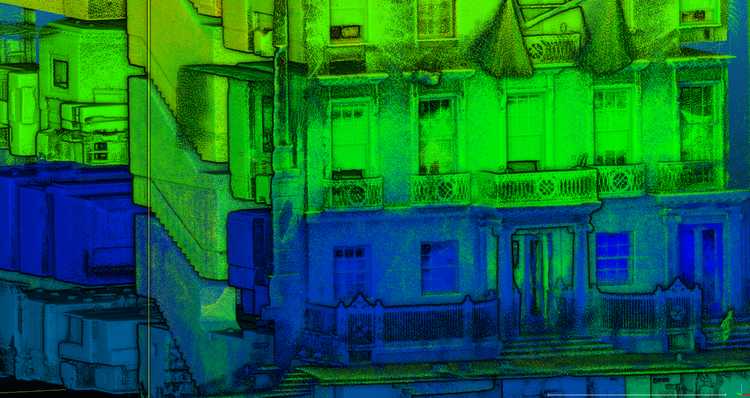
Existing details preserved
Detailed views help the design team understand existing architectural elements and conditions before changes are introduced.
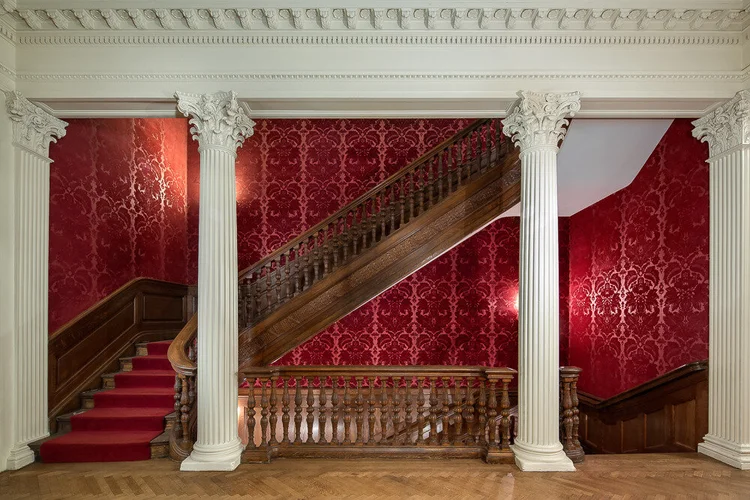
Accurate drawings for design work
CAD outputs created a reliable starting point for architects and designers developing renovation concepts.
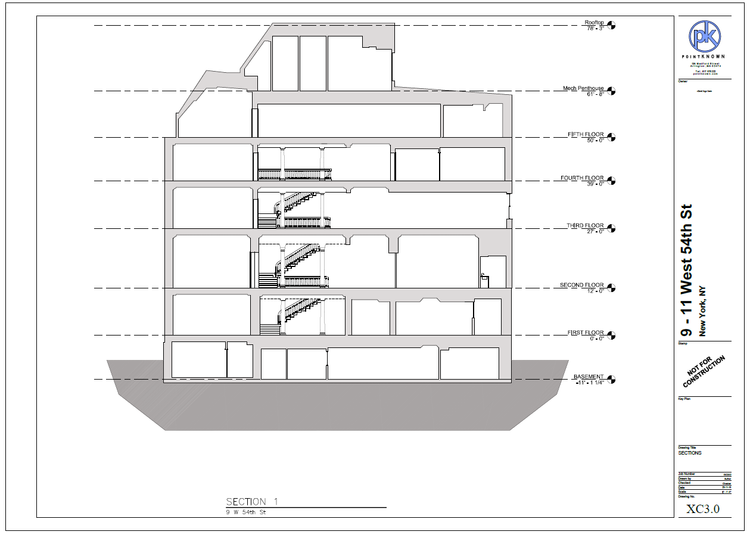
Plans and sections coordinated
Organized drawing outputs provide the team with consistent references for evaluating existing geometry and future design changes.
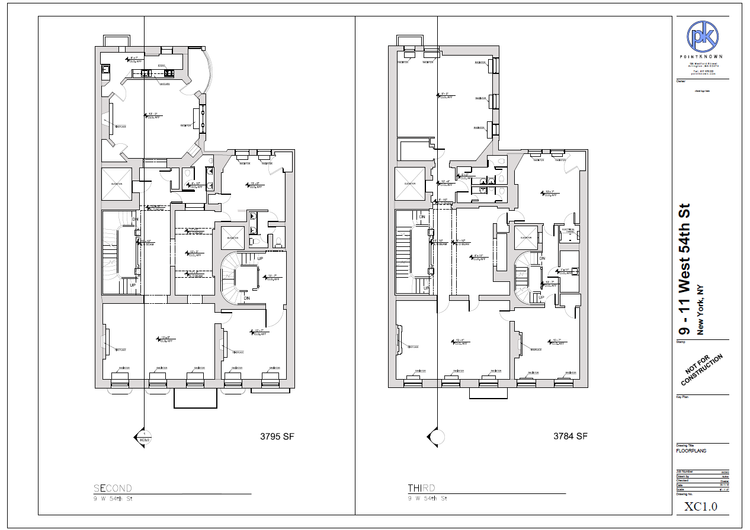
A complete renovation reference package
Floor plans, sections, and supporting documentation were organized into a usable package that allowed the design team to move forward with greater confidence.
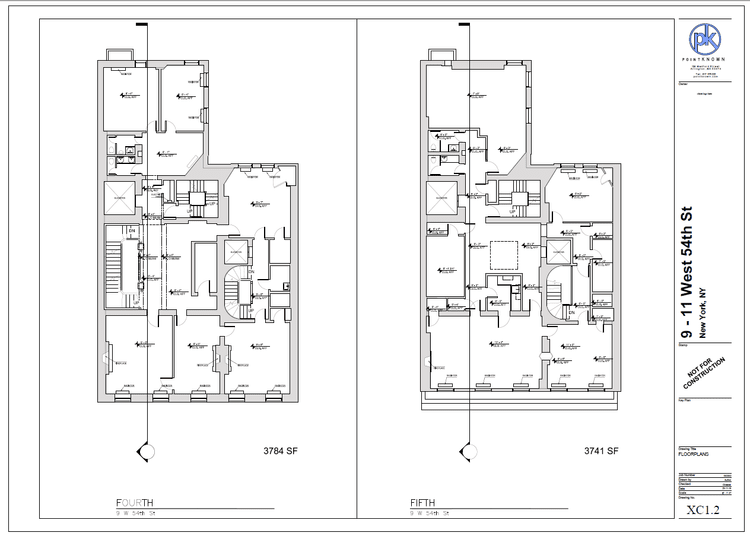
Existing spaces organized clearly
Drawing documentation gives the project team a practical understanding of room layouts, connections, and existing conditions.
Creating clarity inside an existing urban residence
Renovating an existing residence requires more than basic measurements. Pointknown created a precise documentation package that captured the interior conditions, spatial relationships, and architectural details needed for confident design decisions before construction begins.
The documentation becomes the starting point for design.
For renovation projects, accurate existing conditions reduce uncertainty before decisions reach the field. The 54th Street documentation package gave the design team a dependable reference for understanding the residence, evaluating changes, and developing improvements with greater confidence.
Everything the design team needed to move forward
The final package transformed existing conditions into usable design resources: coordinated models, drawings, and visual references that allowed the project team to study the residence, evaluate options, and begin design work with a reliable foundation.
3D Existing Conditions Model
A detailed digital representation of the residence providing a clear understanding of existing geometry, spatial relationships, and architectural conditions.
CAD Documentation
Measured plans, sections, and elevations organized to support design development, review, and coordination throughout the project.
Architectural Model Views
Visual model outputs helped communicate building form, interior relationships, and existing conditions during design discussions.
Sections + Elevations
Detailed views provided additional understanding of vertical relationships, building components, and existing architectural conditions.
Organized Project Reference
A structured handoff gave the project team a reliable baseline to reference throughout planning, revisions, and future coordination.
Experience shows up in the handoff
The best documentation teams do not simply collect data. They know what matters, what to ignore, what to model, what to share, and how to package it so the next team can work.
We scope for the decision ahead
Each capture effort is shaped around what the client, architect, consultants, and builder need to understand next.
We know the deliverable ecosystem
Revit, CAD, SketchUp, PDF, drone media, 360 photography, and shared file structures all play different roles.
We make complex properties easier to communicate
The goal is not to show every piece of data. The goal is to make the right information accessible, clear, and usable.
If you are planning, renovating, leasing, or evaluating a building, clear existing conditions matter.
Pointknown helps design teams and property stakeholders move forward with confidence by turning existing buildings into usable, decision-ready information.