
Residential | Commercial | Industrial
Yale University
Pointknown documented two significant Yale buildings — Sheffield-Sterling-Strathcona Hall and Ray Tompkins House — creating reliable digital records for planning, renovation, and campus decision-making.
Trusted documentation for important Yale buildings.
Work at Yale requires accuracy, discretion, and the ability to translate historic architecture into usable design data. For this assignment, Pointknown surveyed and modeled Sheffield-Sterling-Strathcona Hall — a prominent academic building on Science Hill — and Ray Tompkins House, the administrative home of Yale Athletics. The result was a coordinated existing-conditions baseline for architects, engineers, planners, and facilities teams.
Academic + Historic
Complex stone architecture, vertical circulation, lecture space, and campus context captured with high fidelity.
Athletics + Administration
A second building type with a distinct operational profile, documented to the same coordinated standard.
Design-Ready Output
Revit as-built models, CAD-ready views, and verified references that reduce repeat site visits and unknowns.
Sheffield-Sterling-Strathcona Hall
A high-profile Yale academic building with neo-Gothic character, complex massing, and notable interior spaces. Pointknown captured existing conditions in a form the project team could immediately use.
Historic detail, organized for modern workflows.
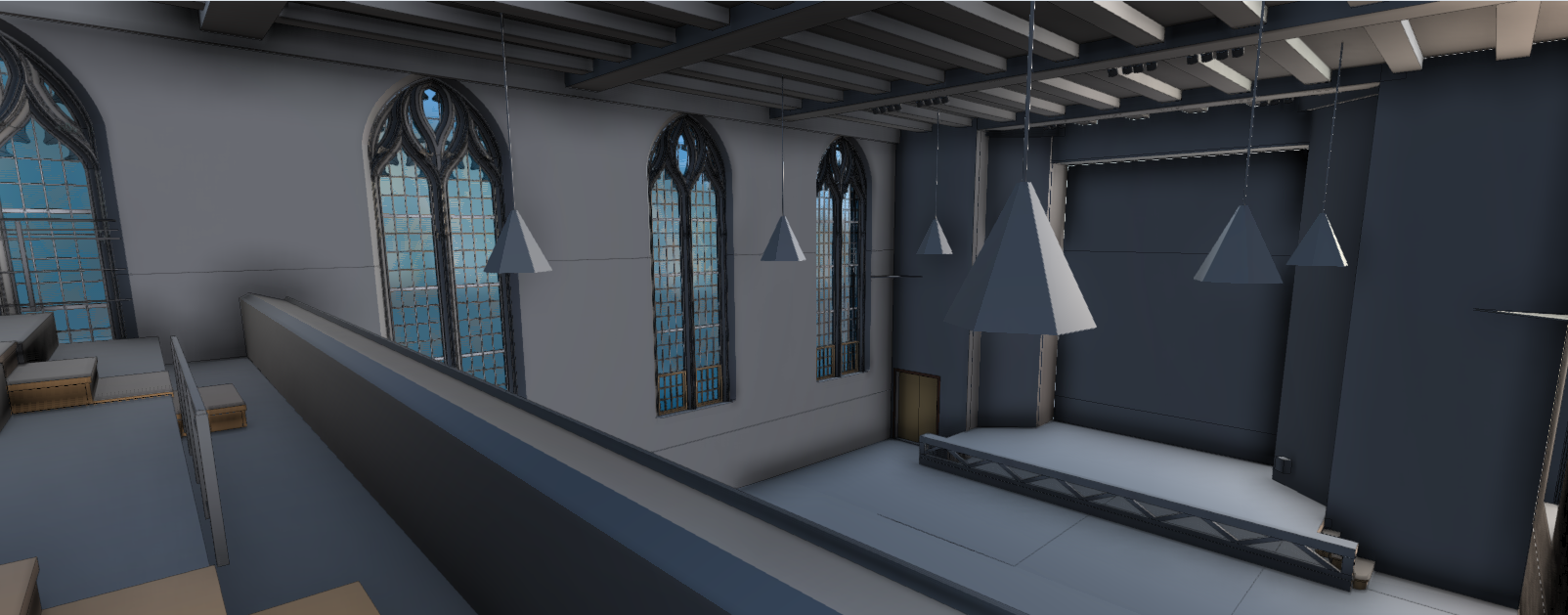
Sheffield-Sterling-Strathcona Hall combines historic envelope conditions, vertical complexity, and architecturally distinctive interior spaces. For buildings like this, the value is not only in capture, but in how the information is structured after the field work is complete.
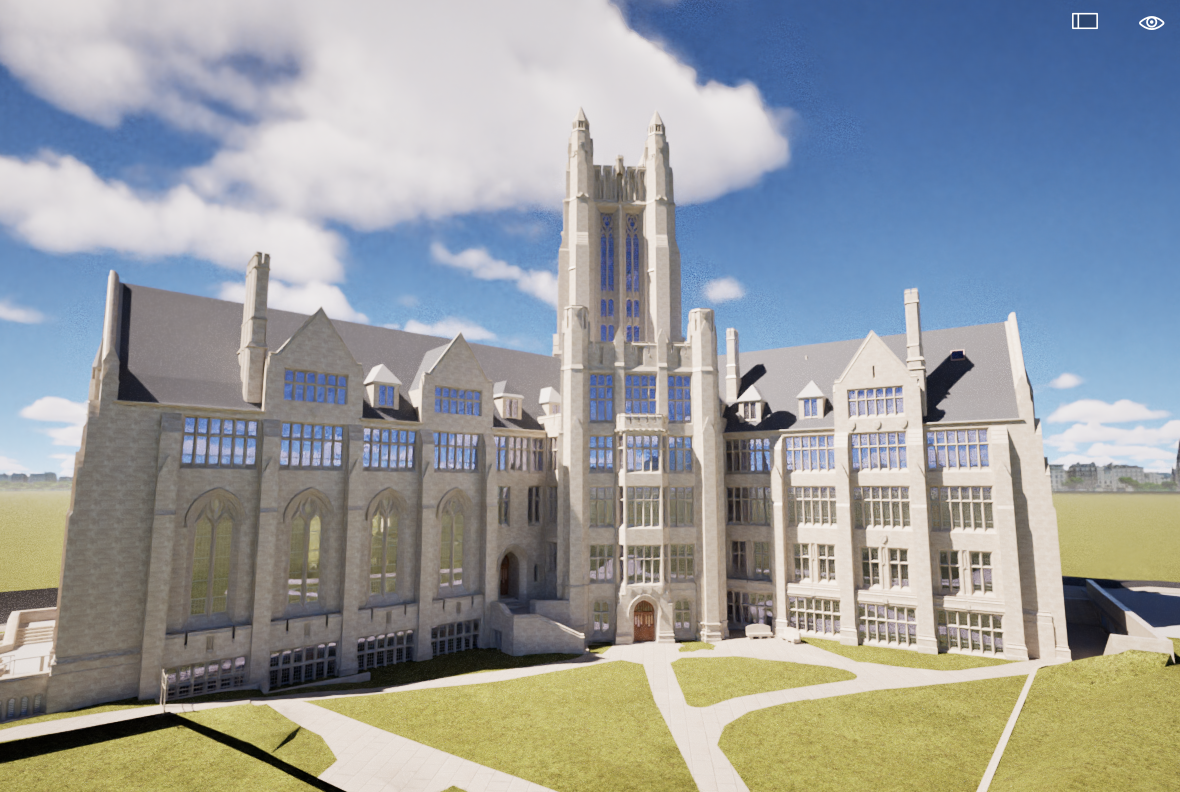
From landmark exterior to detailed interior reference.
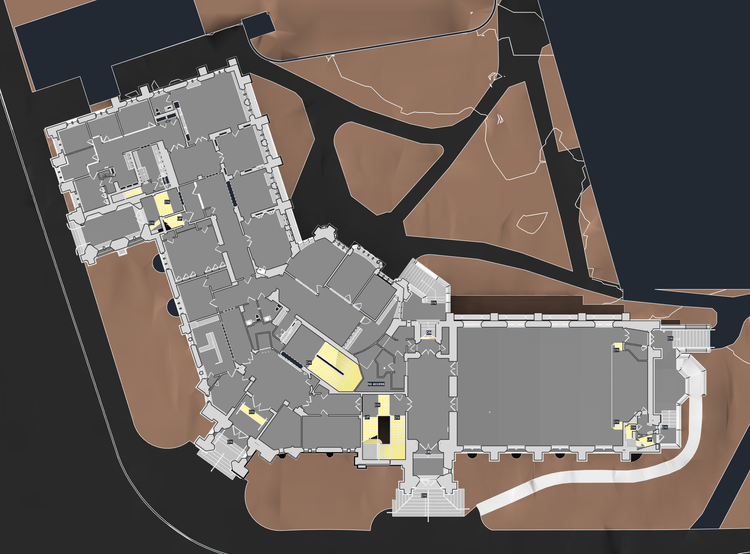
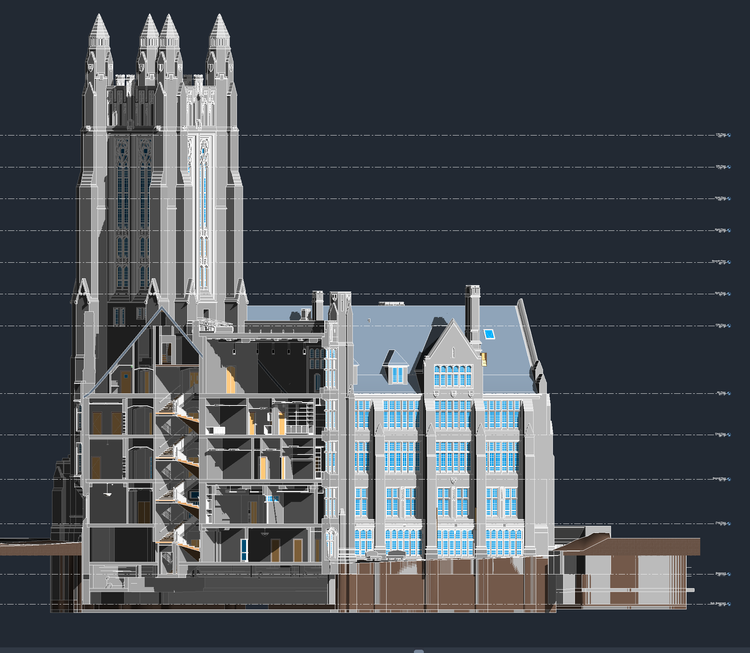
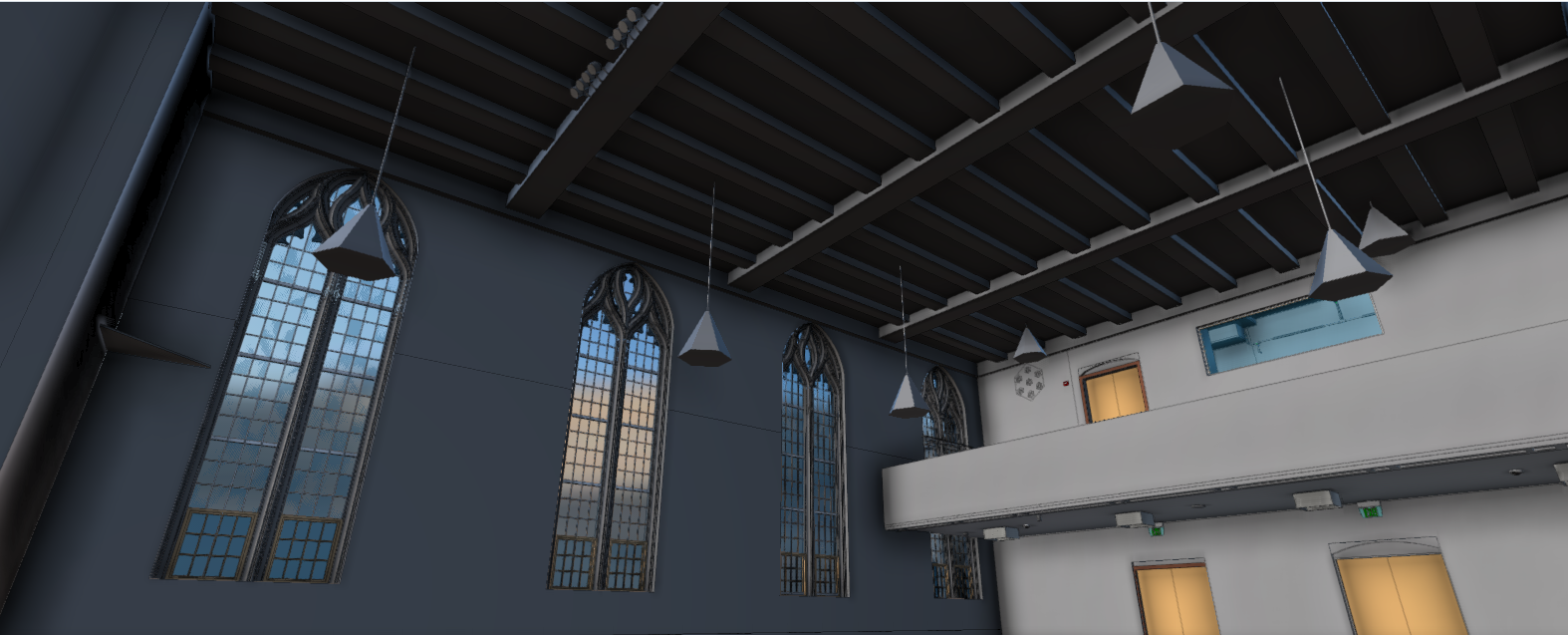
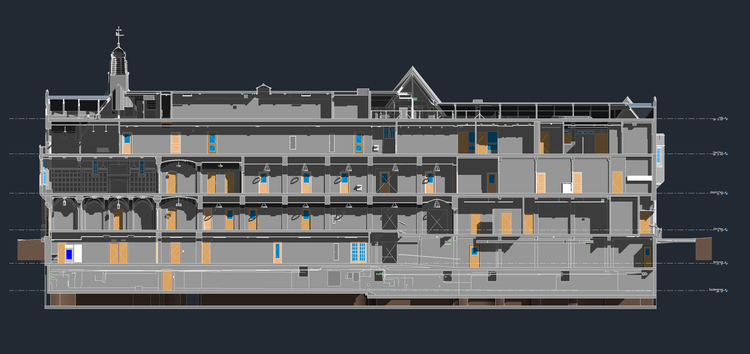
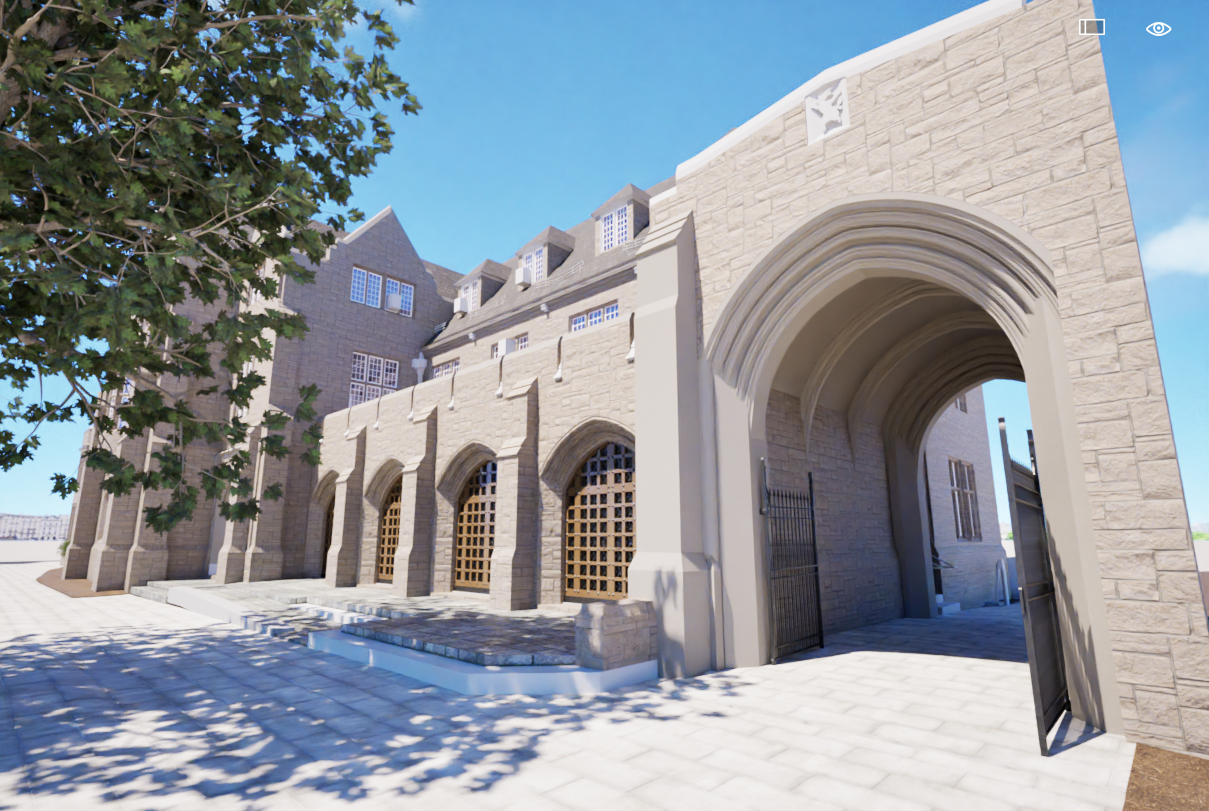
These views show the range of documentation — from building-scale context and exterior modeling to drawing output and interior room detail.



Ray Tompkins House
Beyond academic spaces, Yale trusted Pointknown to document a major athletics and administrative building — proof that the same disciplined process scales across building types on active campuses.
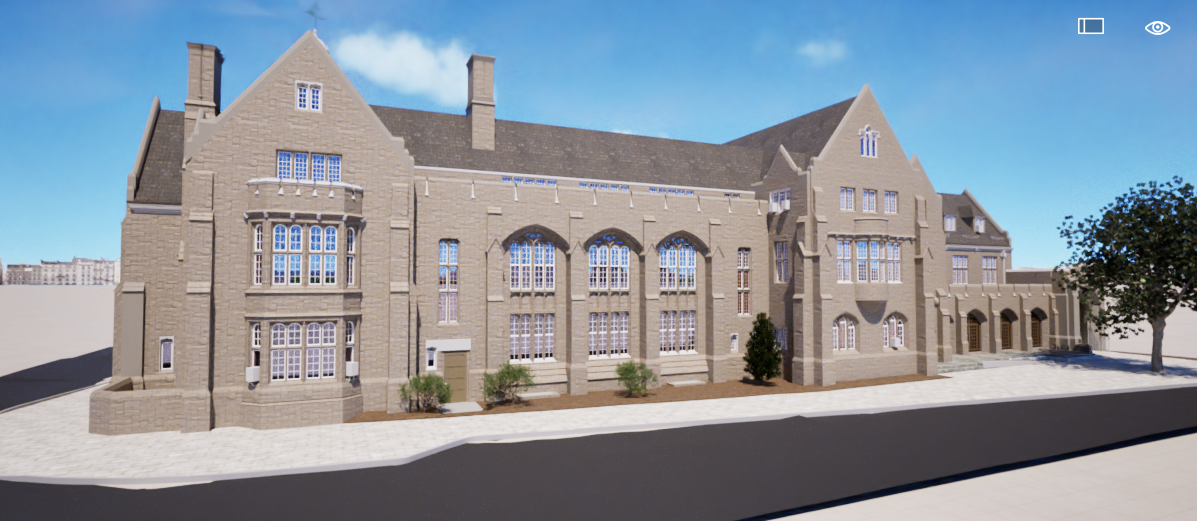
Athletics administration documented with the same rigor.
Ray Tompkins House adds another layer to the story: Pointknown was not documenting one isolated building, but supporting Yale with reliable existing-conditions information across distinct institutional environments. That matters to campus clients managing renovation, operations, and future change over time.
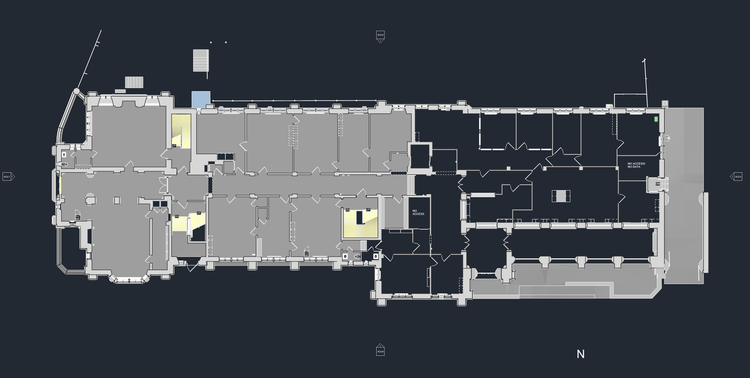
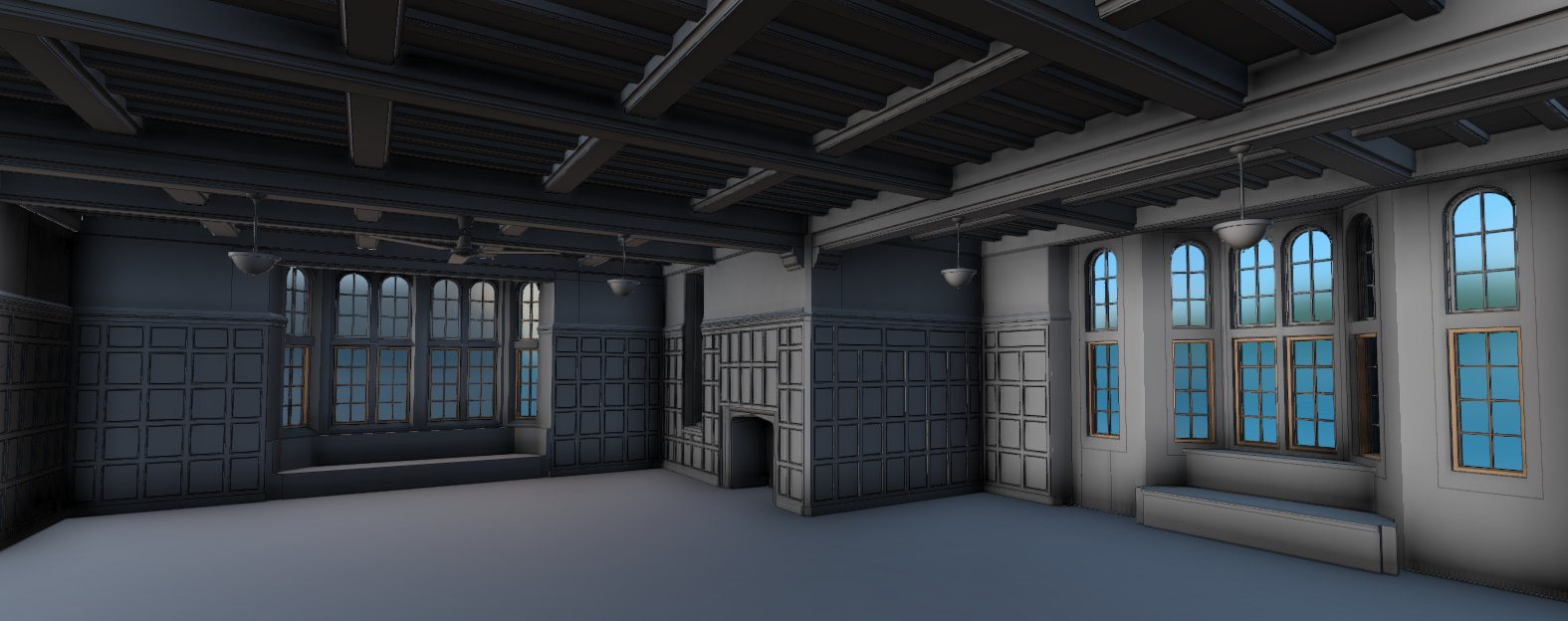
Exterior character, model coordination, and presentation-ready deliverables.
Together, these views show a building that is both historic and operational — and how Pointknown translates existing conditions into models, presentation floor plans, sections, and useful project information.


Built for design teams that need answers, not extra site visits.
Pointknown’s process combines field capture, disciplined modeling, and organized deliverables so institutional clients can move from documentation to action with confidence.
Capture
Interior and exterior reality capture structured around how the building will be used after the survey is complete.
Model
Existing conditions translated into coordinated Revit geometry and drawing-ready information for consultants and campus teams.
Deliver
A reusable digital baseline that supports planning, renovation, facilities decisions, and future campus work.
Historic campus buildings demand accurate existing conditions.
Pointknown helps architects, owners, and institutions move faster with clear digital building records, coordinated models, and documentation built for real project use.