
Residential | Commercial | Industrial




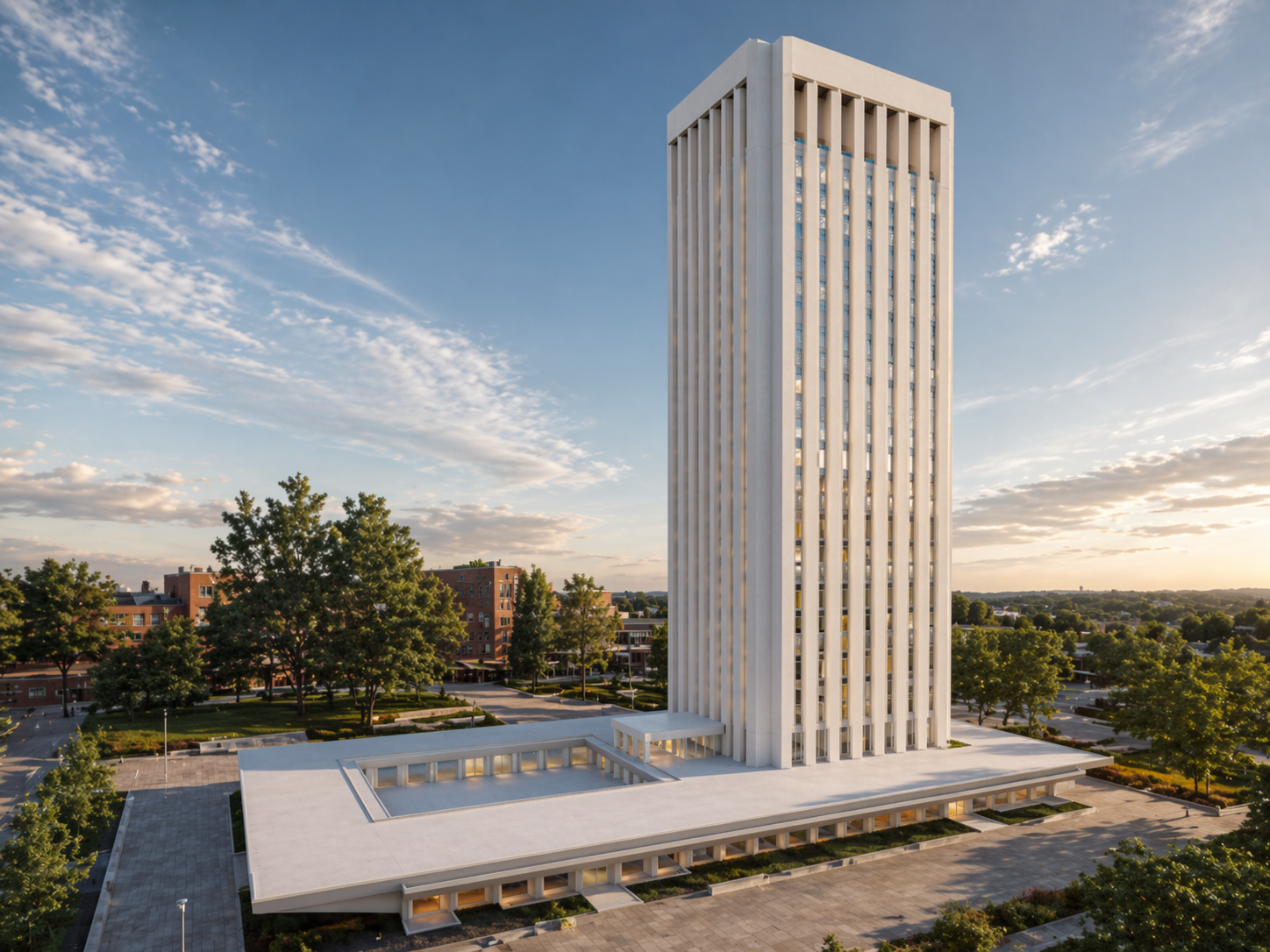
Location: Amherst, Massachusetts
Building Type: Academic Library / 26-Story Tower
Size: 400,000+ SF
Existing Conditions Documentation for an Iconic Academic Tower
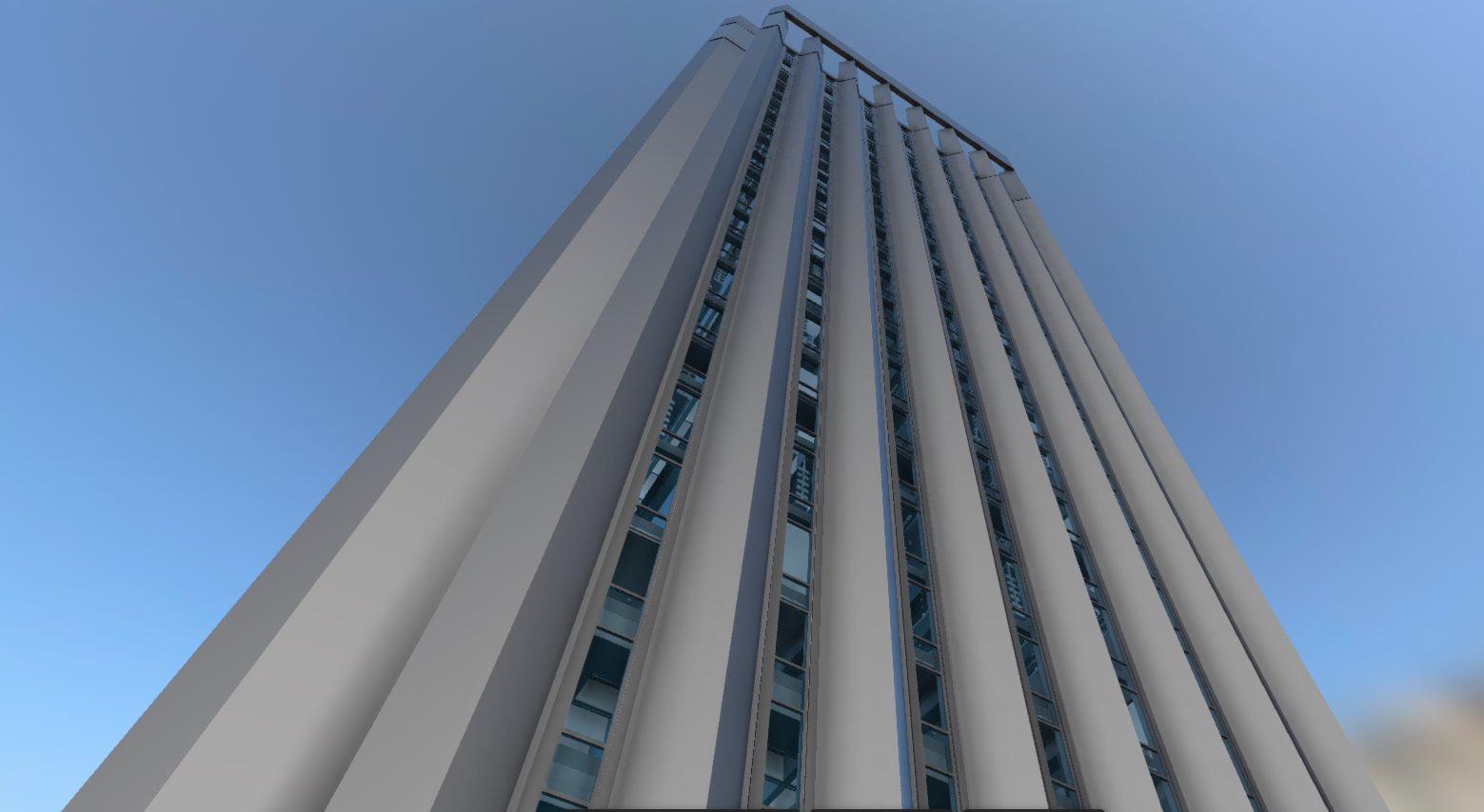
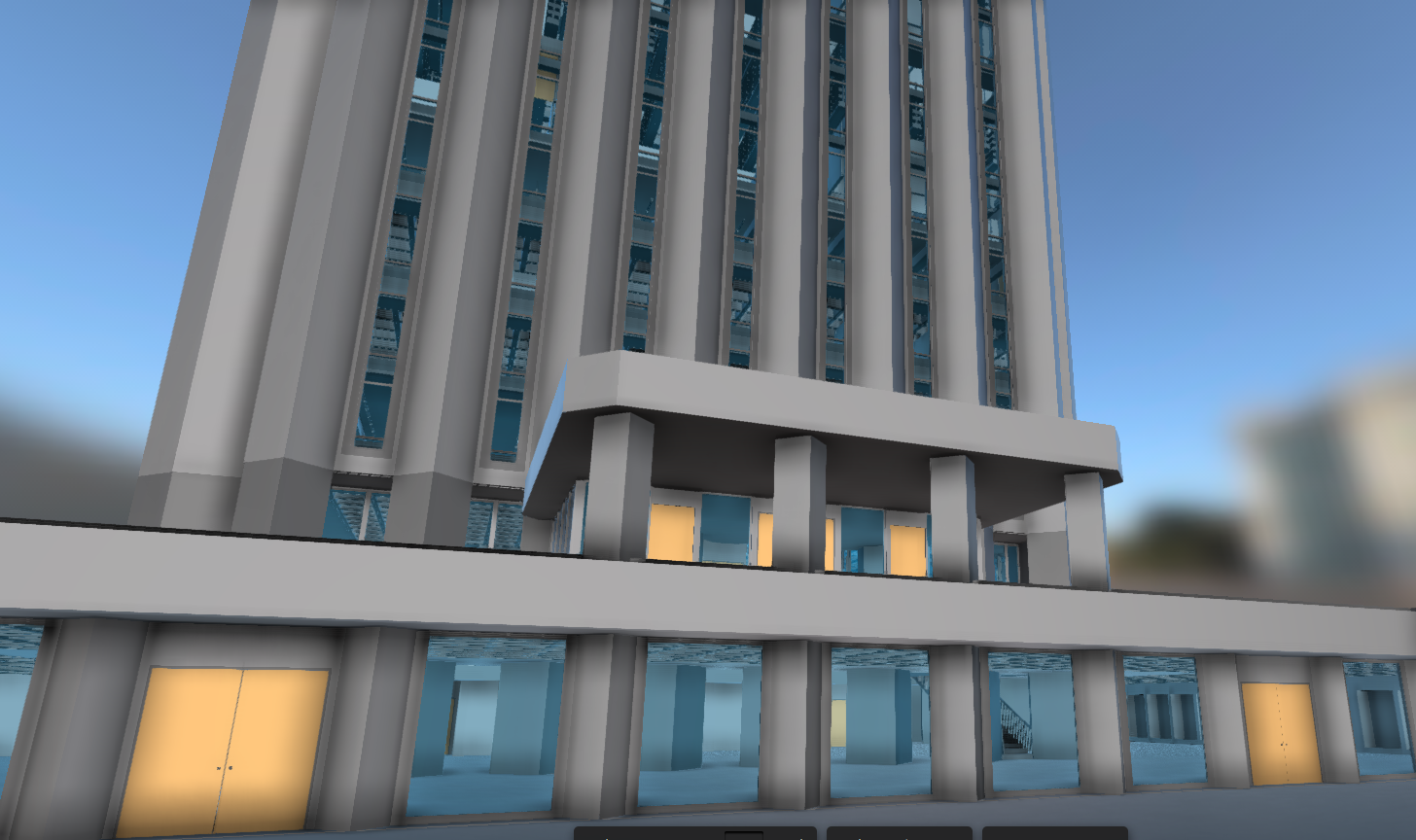
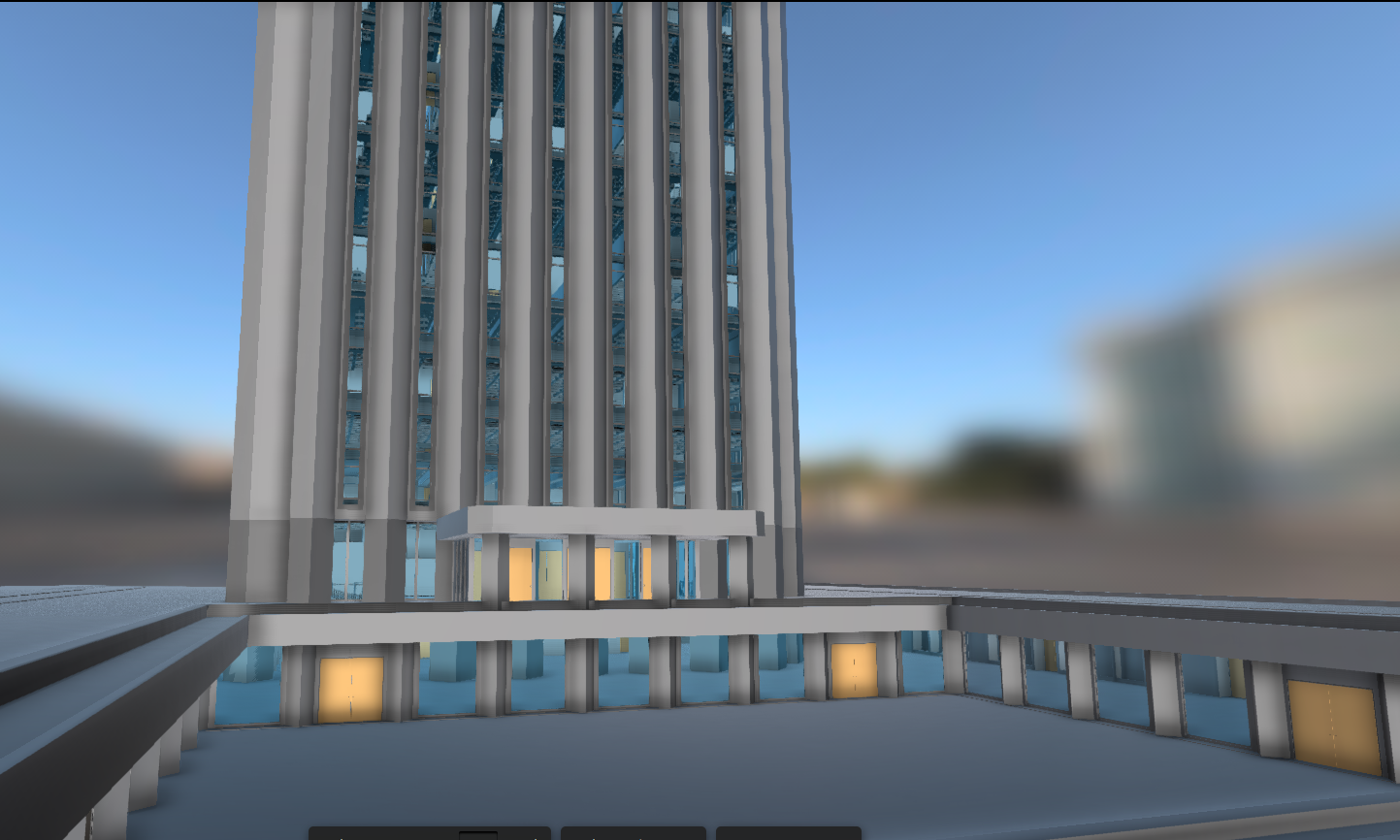
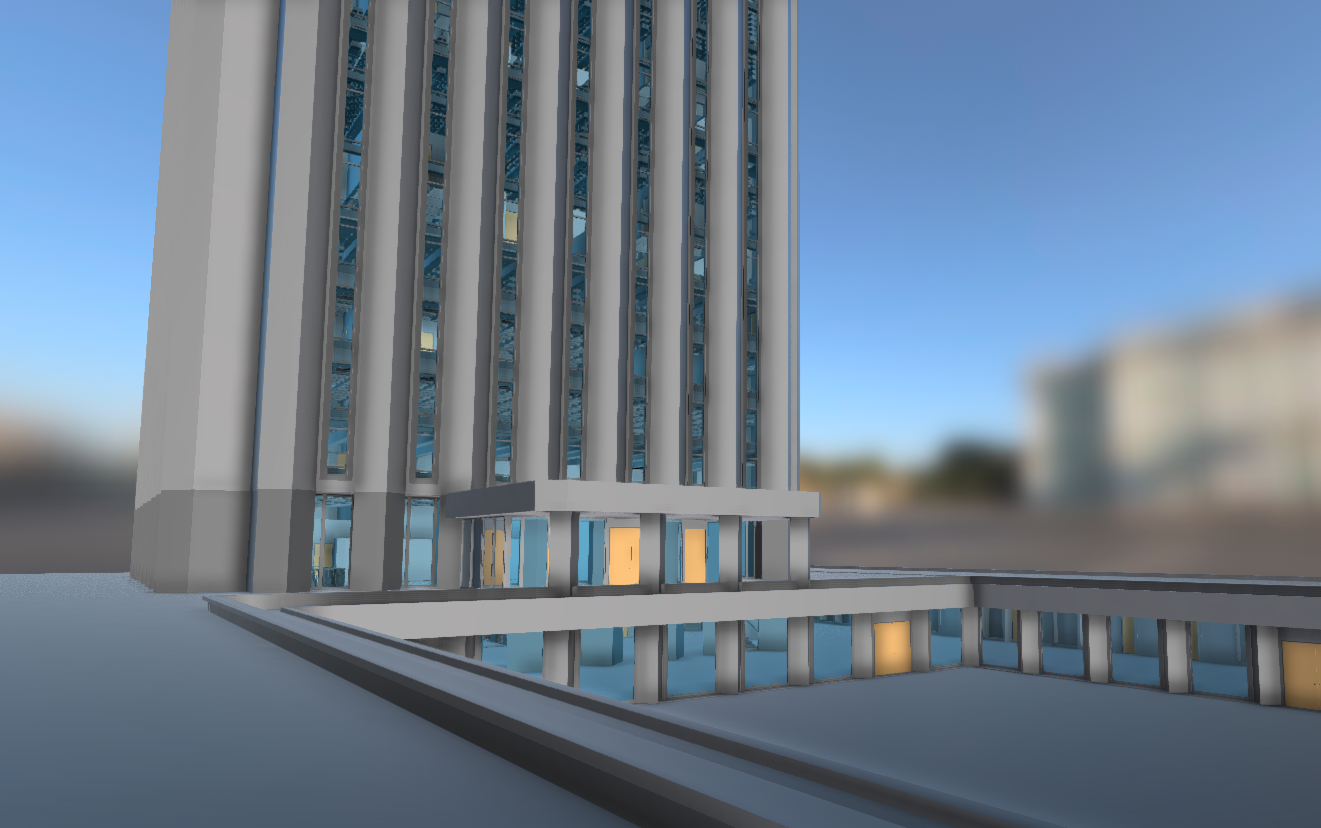
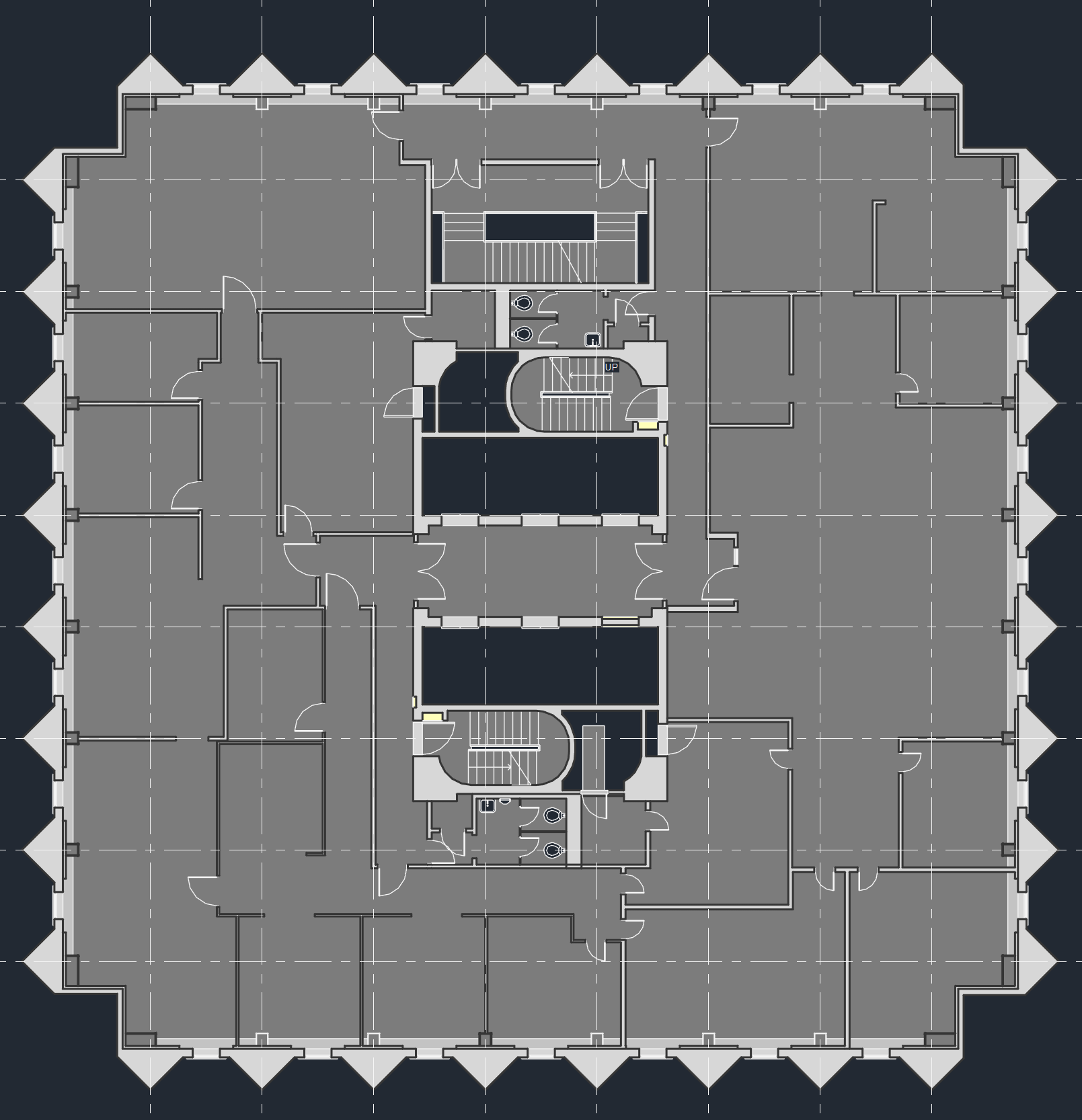
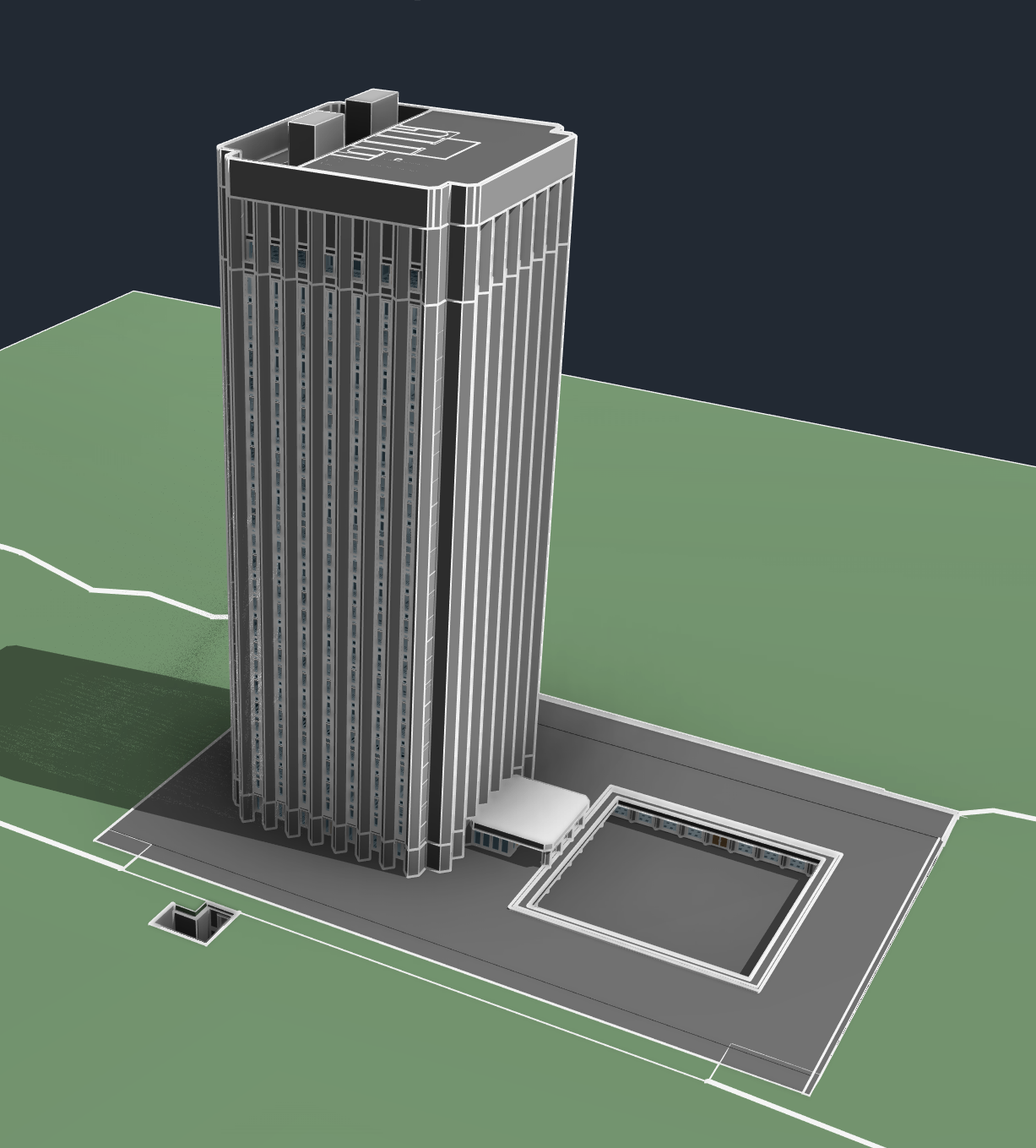
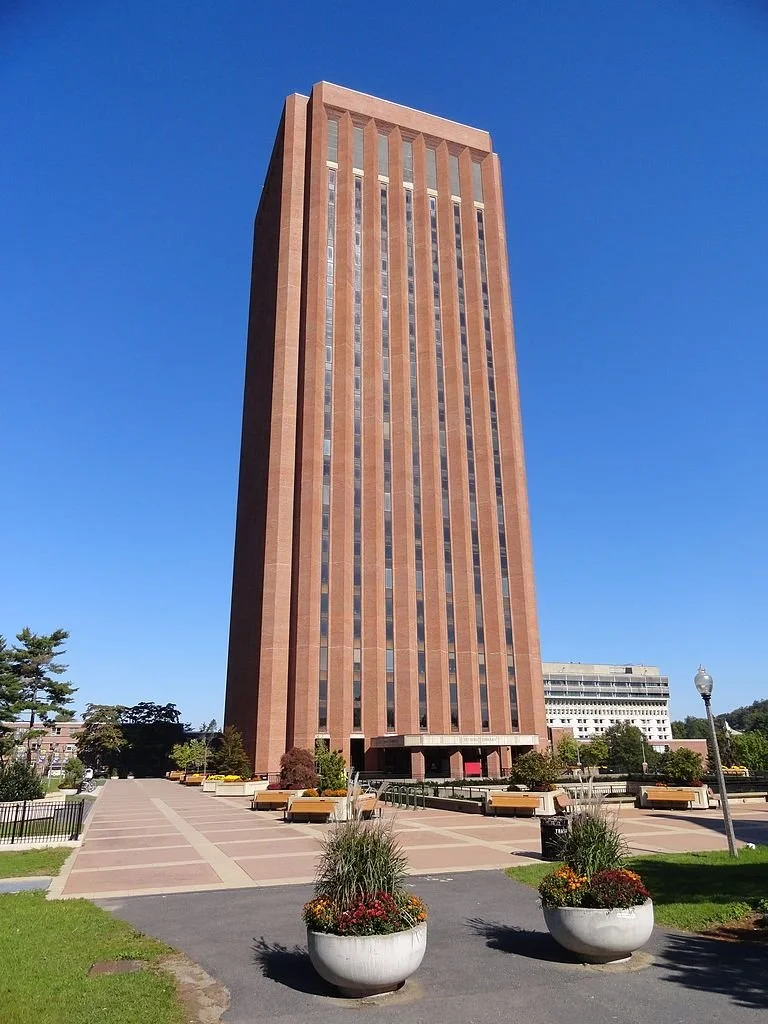
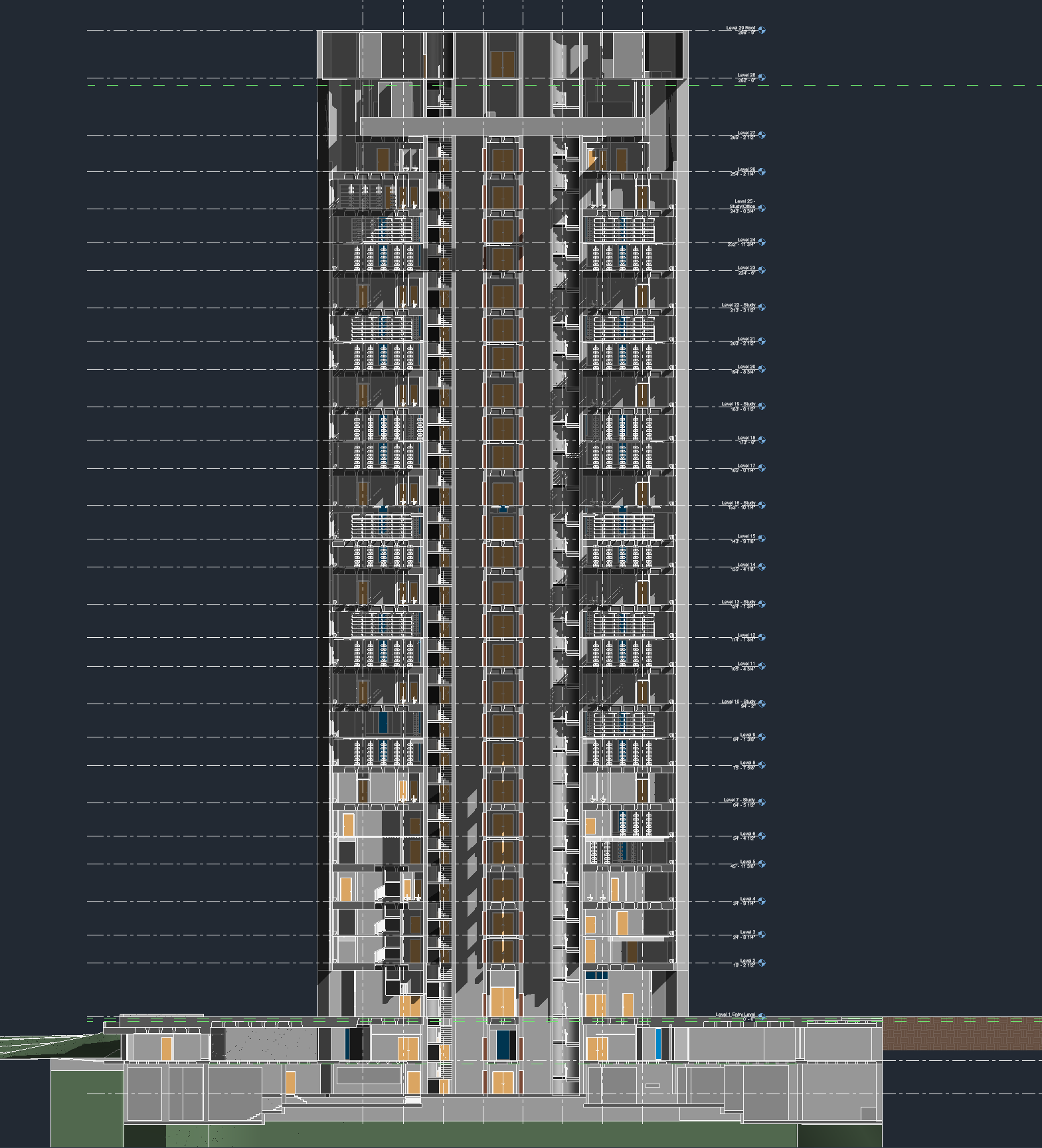
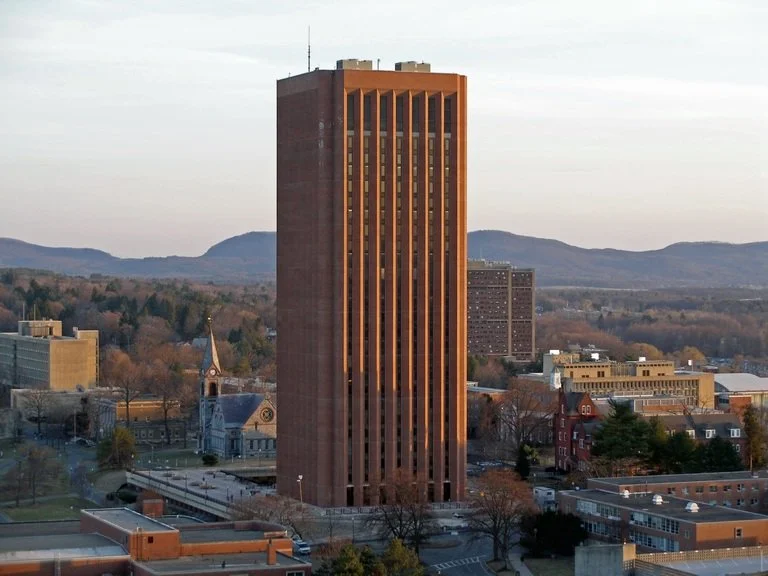
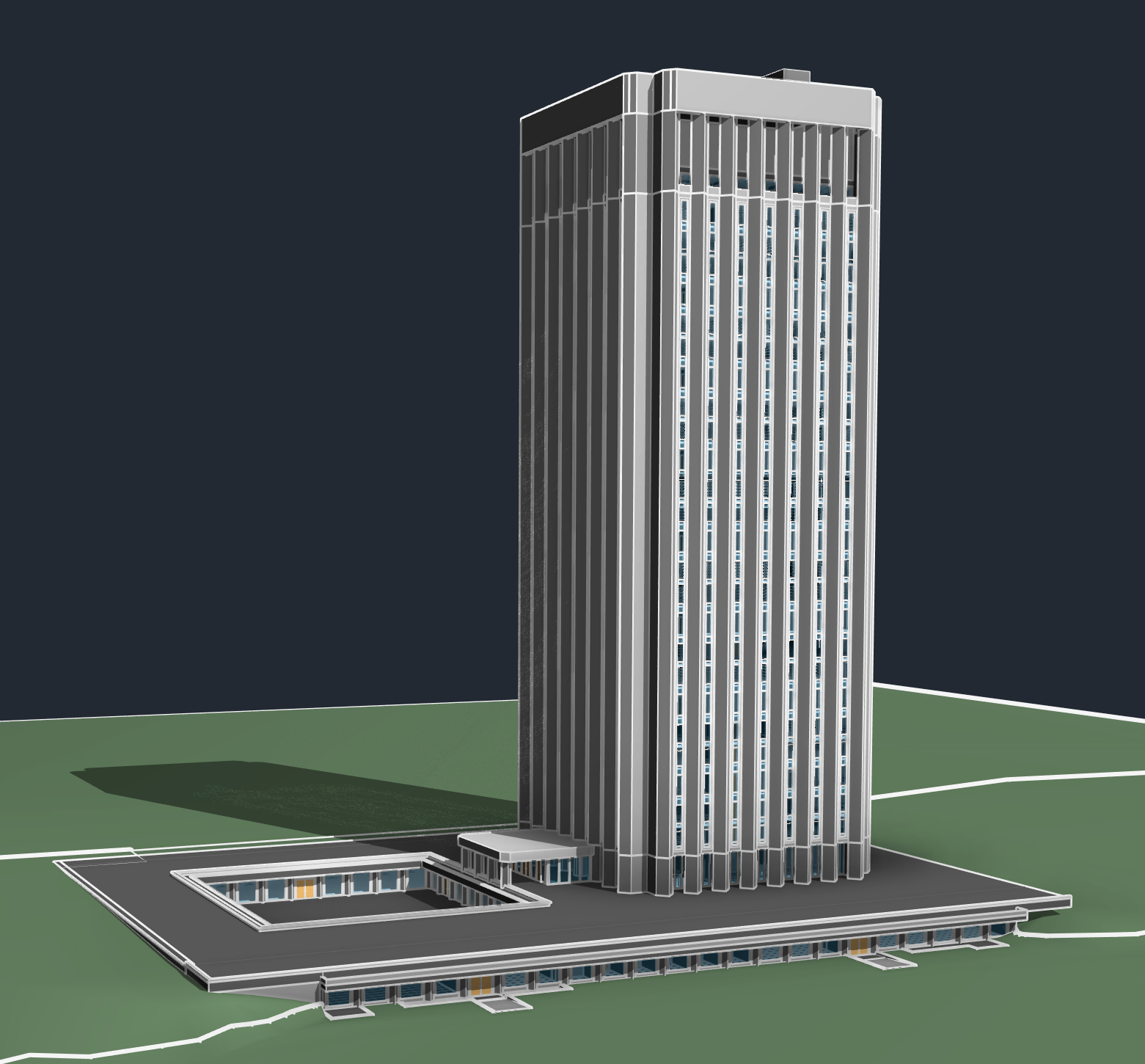
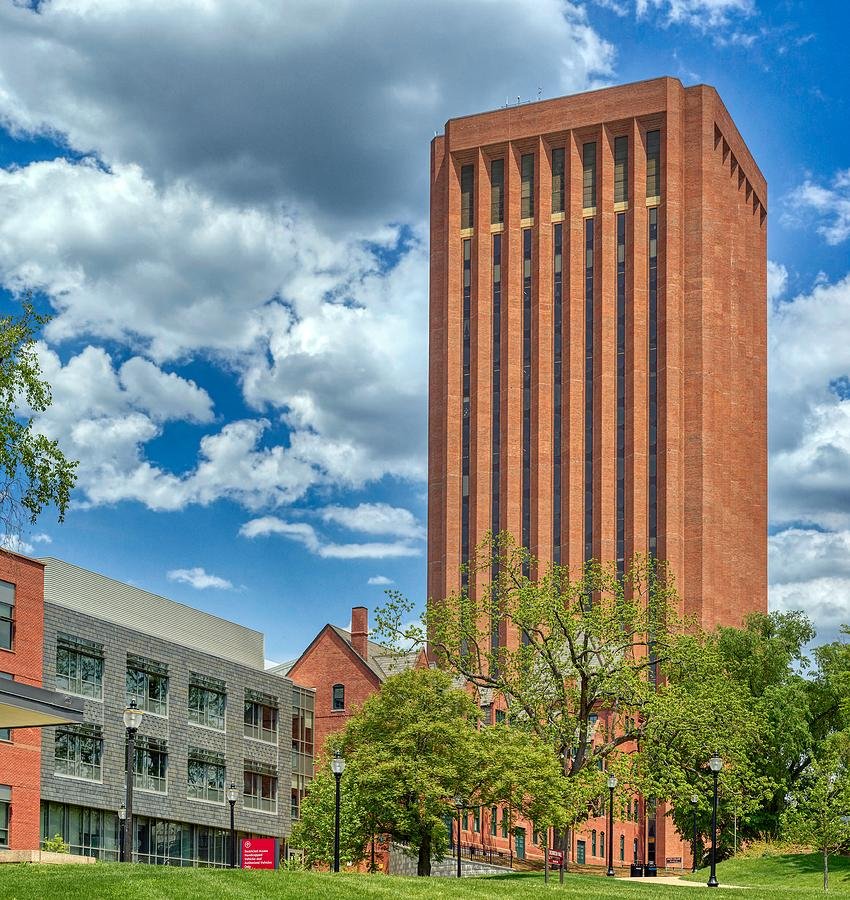
Pointknown documented the W.E.B. Du Bois Library at UMass Amherst, one of the most recognizable academic buildings in Massachusetts. The project included the capture and modeling of all 26 floors, along with below-grade offices, study spaces, and storage areas, creating a reliable digital baseline for future planning, renovation, and facilities work.
This was a large, detail-intensive documentation effort completed before many of today’s faster mobile capture tools were widely available. The work required a disciplined field approach, careful coordination, and a modeling workflow built to deliver dependable results across a complex, vertical building.
Scope of Work
Our team documented the full interior of the tower, including:
All 26 occupied floors
Below-grade offices and support spaces
Study areas and storage rooms
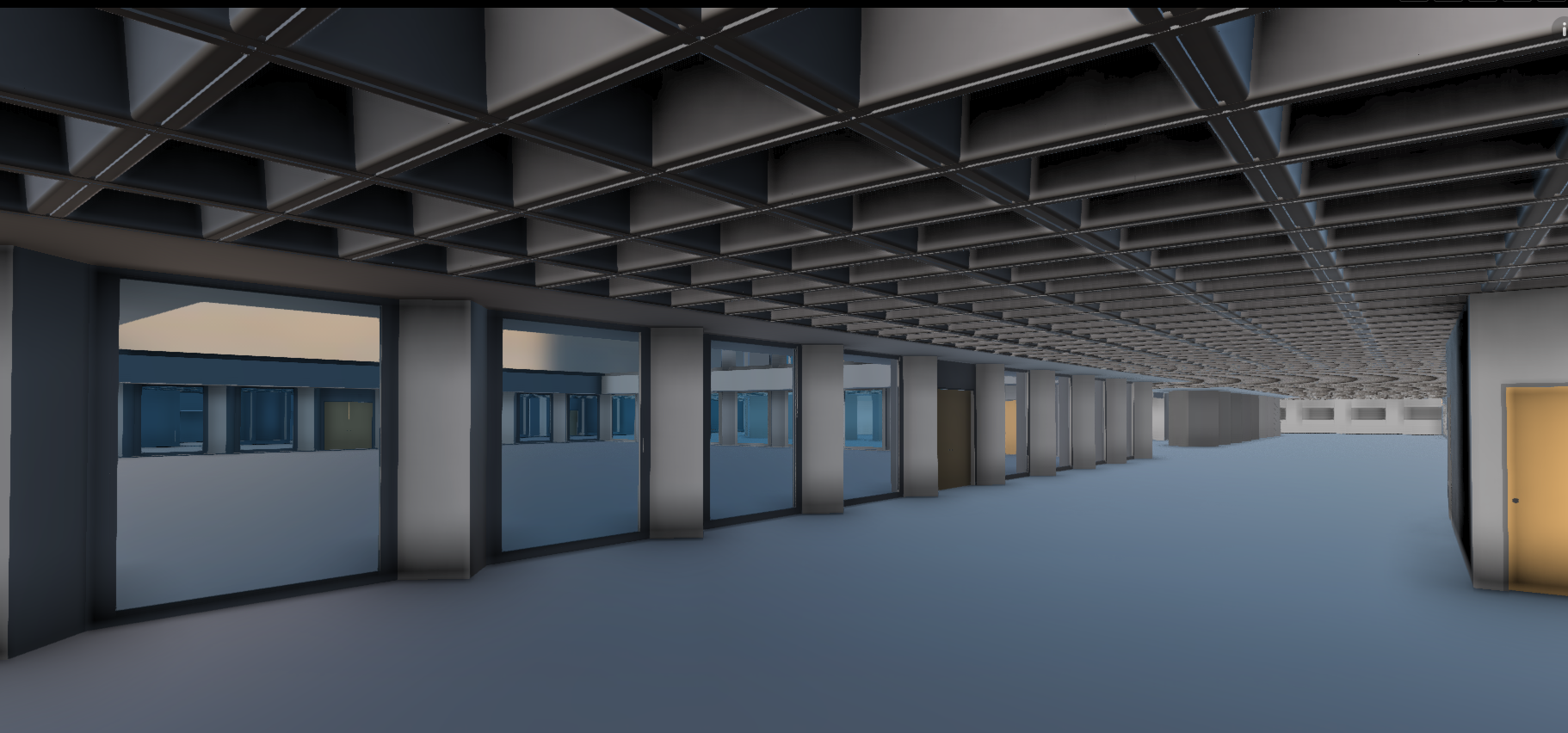
Structural waffle slab conditions
Lighting fixture locations and layout information
Interior geometry needed for accurate existing conditions modeling
The result was a comprehensive existing conditions Revit model that gave the client and design team a clear understanding of the building as it existed in the field.
Technology and Process
For this project, Pointknown used a combination of PKNail Pro, Autodesk Revit, Leica laser measurement tools, and field photography to document and model the building. This was an earlier-generation workflow, but one that still depended on the same principles we apply today: careful field verification, organized data collection, and model output that is useful to architects, engineers, and owners.
Projects like DuBois Library reflect the kind of methodical documentation work required on large institutional buildings, where consistency floor-to-floor matters just as much as capturing the exceptions.
Why It Matters
For a building of this size and complexity, accurate existing conditions are critical. Reliable documentation helps teams:
plan renovations with fewer unknowns
coordinate design in a dense, occupied structure
understand vertical stacking and space relationships
work from a dependable model rather than fragmented legacy information
At Pointknown, our role is to turn complex existing buildings into clear, usable information so design and facilities teams can move forward with confidence.