
Floor Plans
Clear existing conditions plans built for campus planning, downstream design work, and stakeholder review.

Existing conditions documentation across more than 14 School of Visual Arts buildings in Manhattan—captured on site in just over a week and transformed into coordinated floor plans, reflected ceiling plans, plotted stakeholder-ready PDF sets, and 3D Revit building models.
The School of Visual Arts operates across multiple buildings in New York City, with classrooms, offices, libraries, theaters, support spaces, basements, rooftops, and mechanical areas all needing to be documented and organized into one consistent framework.
Pointknown was brought in to move quickly in the field, then stay disciplined in the follow-through. The goal was not just to capture geometry, but to create a usable documentation system SVA could rely on for planning, coordination, and communication with internal stakeholders and consultant teams.
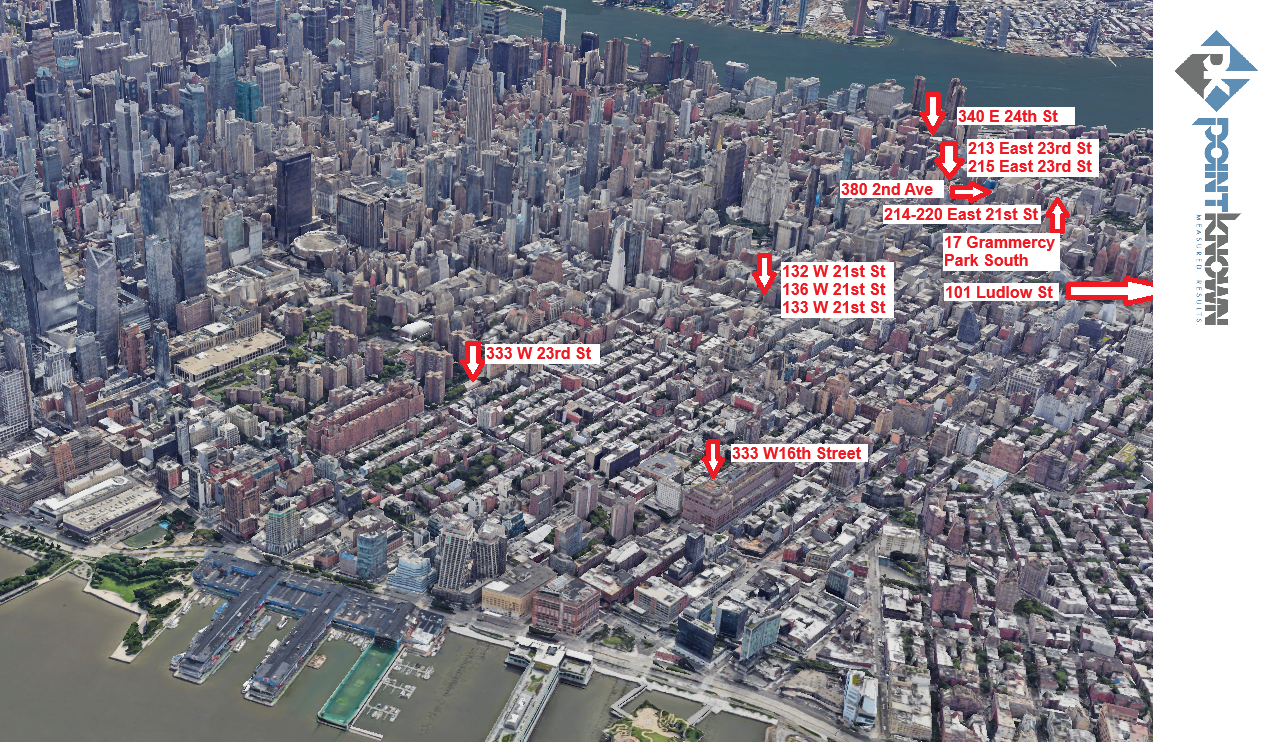
For SVA, existing conditions work had to function at city scale. Pointknown moved building-to-building across Manhattan, documenting a distributed academic environment and turning that field effort into a consistent set of deliverables that could support real campus decision-making.
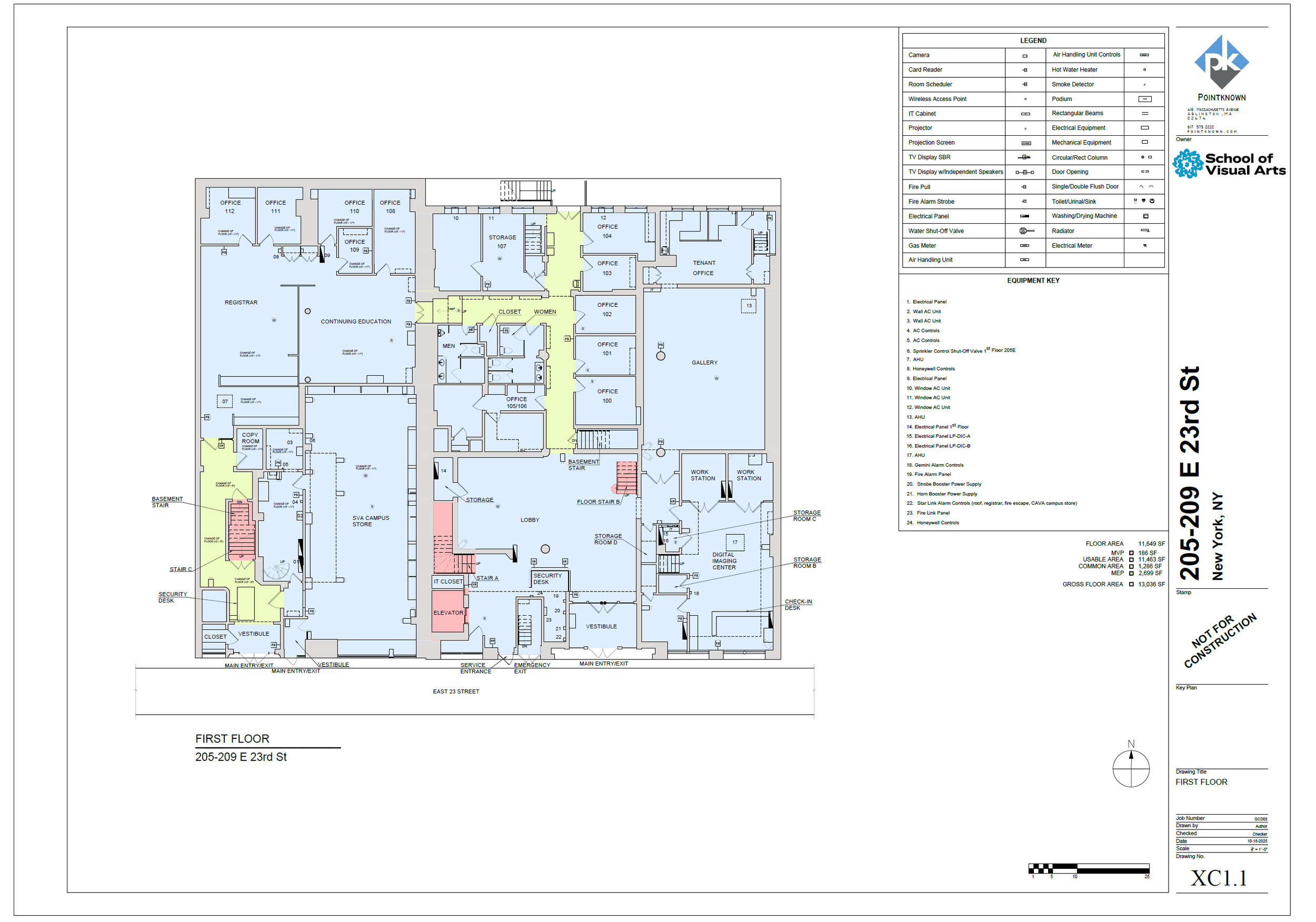
This project required extensive follow-through and project management to create plotting standards, legend systems, sheet organization, and overall formatting structure in conjunction with SVA. The final PDFs were intended to serve as active working tools, not just archived survey drawings.
That meant building deliverables that were clear, consistent, and easy to use across departments, stakeholders, and future planning efforts.
The final package combined broad campus understanding with building-specific detail—floor plans, reflected ceiling plans, specialty-space documentation, and Revit-based 3D modeling that could support planning, renovation, and coordination across an active educational environment.
Clear existing conditions plans built for campus planning, downstream design work, and stakeholder review.
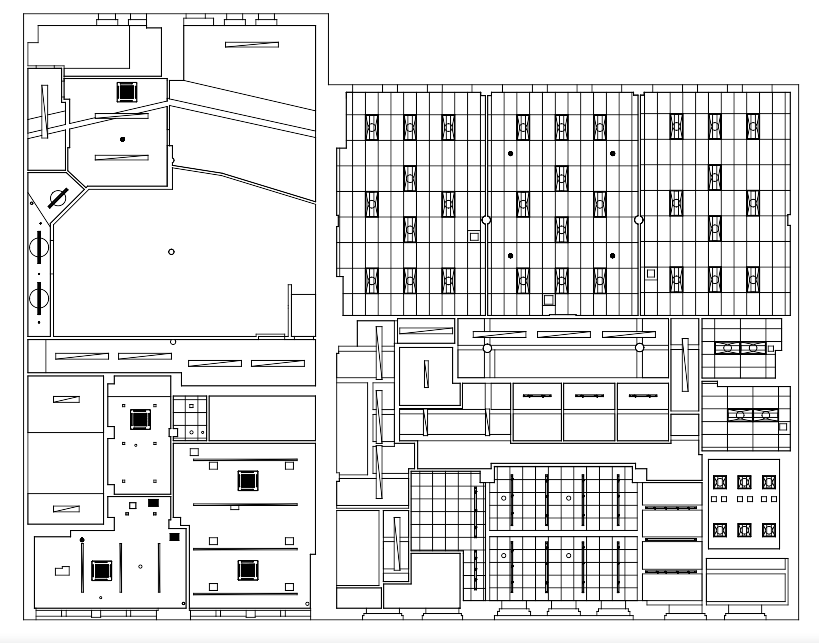
Ceiling and systems documentation that adds another layer of clarity for coordination and planning.
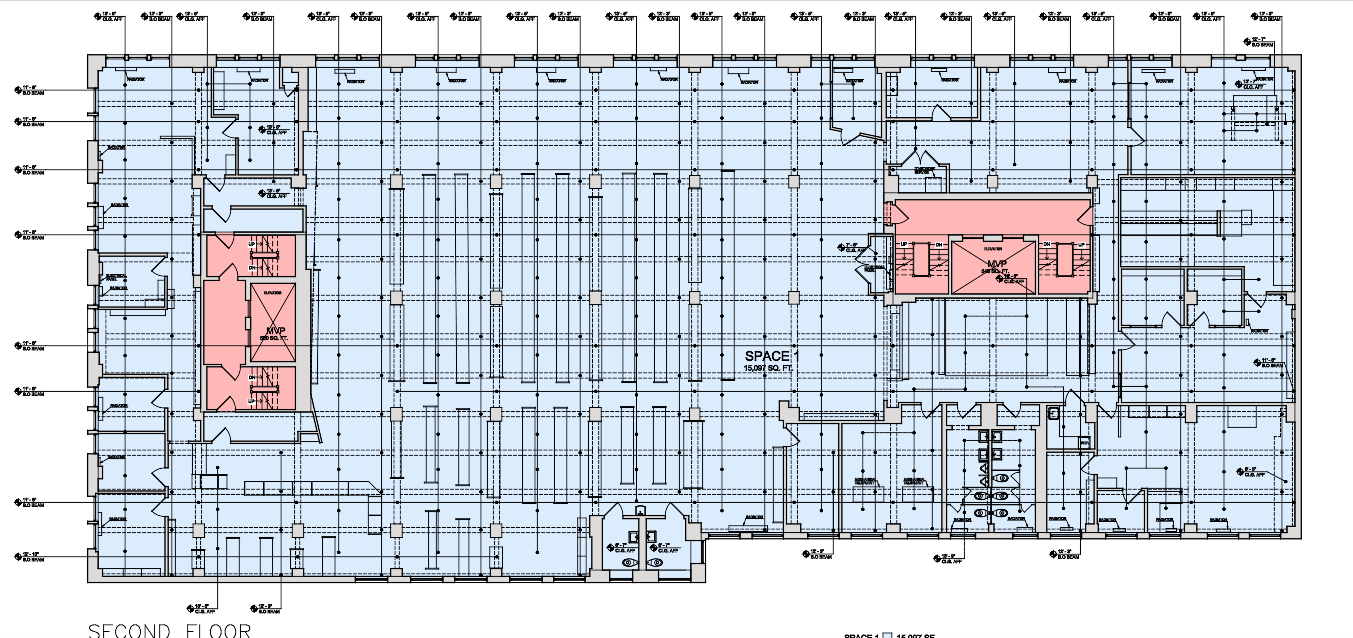
Libraries, offices, classrooms, and student-facing spaces documented with a consistent standard across the campus portfolio.

Theaters and other unique campus environments required the same rigor as standard academic space documentation.
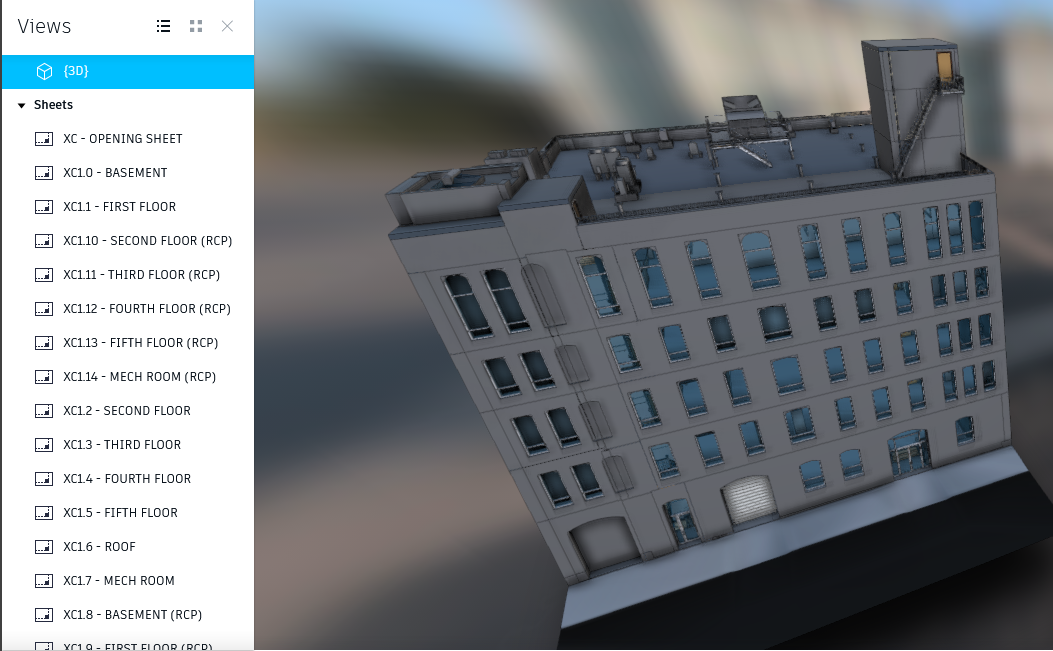
Revit-based models gave SVA a broader, coordinated understanding of building form and future planning potential.
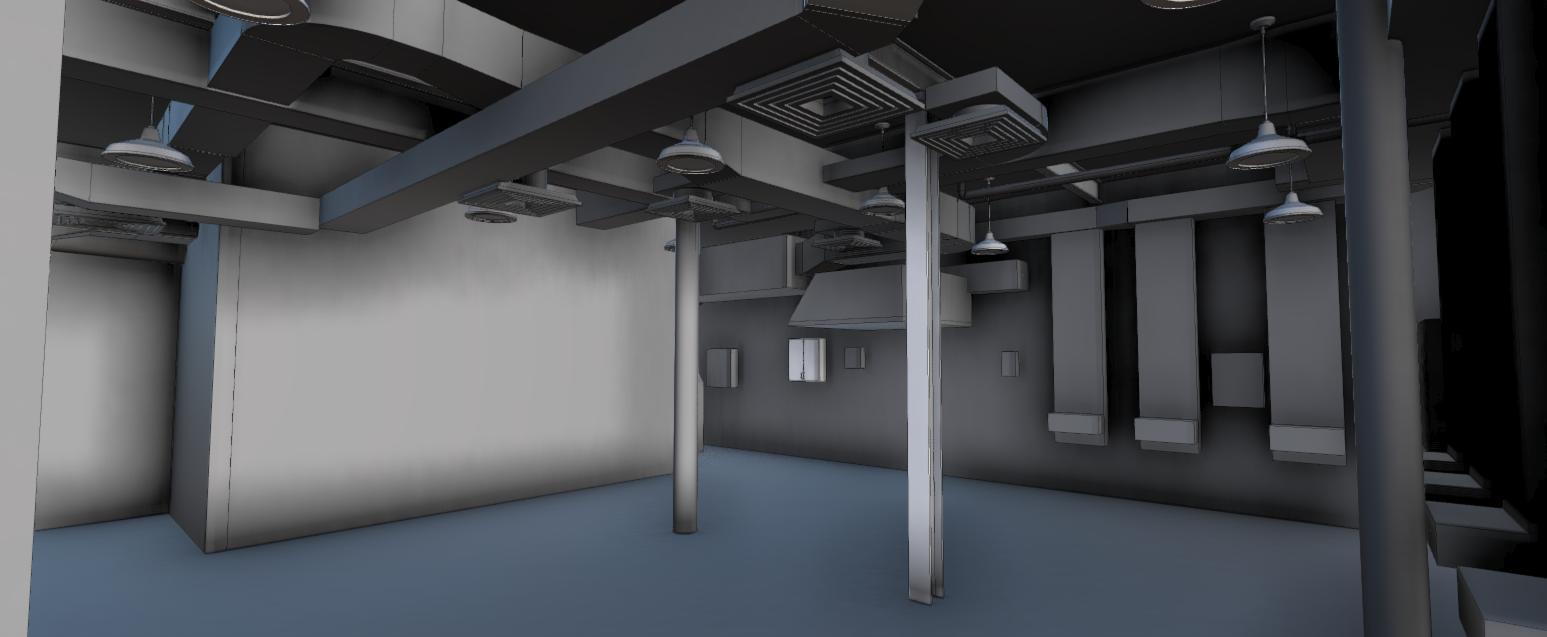
Mechanical areas, rooftops, and infrastructure conditions were captured as part of the same coordinated effort.
For a distributed educational campus, fragmented information slows everything down. Pointknown helped transform field capture into a more usable foundation for renovation planning, consultant coordination, facilities work, and stakeholder communication.
The outcome was more than a model and more than a set of drawings. It was a coordinated existing conditions resource that gave SVA a clearer base of information across multiple Manhattan buildings and multiple space types.
It has to create clarity. Pointknown helps institutions, owners, and design teams turn complex existing conditions into usable information for planning, coordination, and decision-making.