
Residential | Commercial | Industrial
Pleasant Street Lexington
Existing conditions documentation for a complex converted carriage house — combining LiDAR scanning, drone capture, 360 imagery, Revit modeling, and site/topographic documentation into one design-ready baseline.
A clear starting point for a complicated residence.
Pointknown was engaged by a design/build firm to document a 4,300 SF residential property on Pleasant Street in Lexington, MA, along with surrounding site conditions.
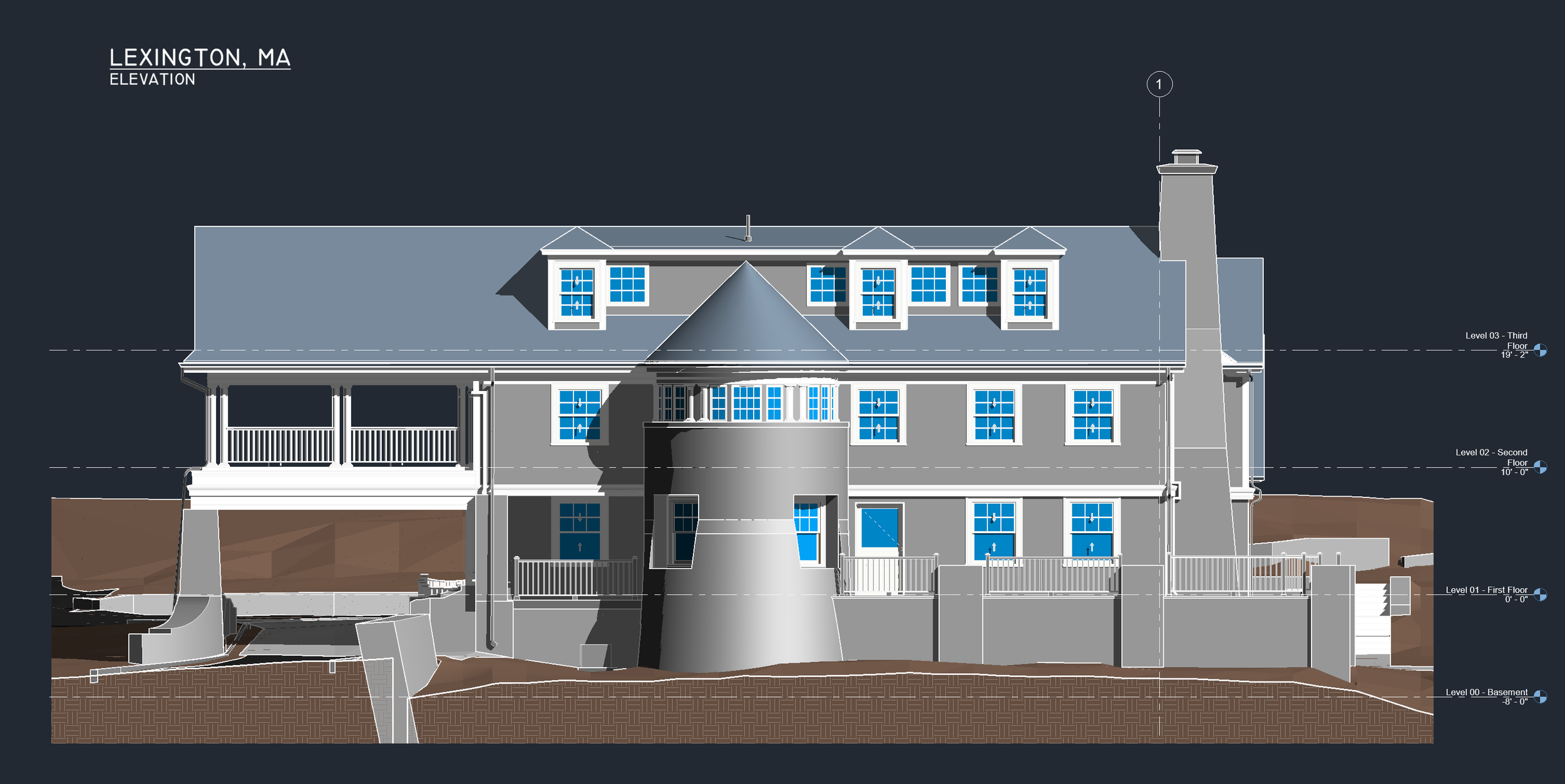
The property includes a classic converted carriage house with a porte-cochère, stone turret, chimney, flagstone patios, wood decks, stone retaining walls, and a dense collection of interconnected roof forms.
The goal was to create a reliable existing-conditions record so the team could move forward with speed, clarity, and confidence.
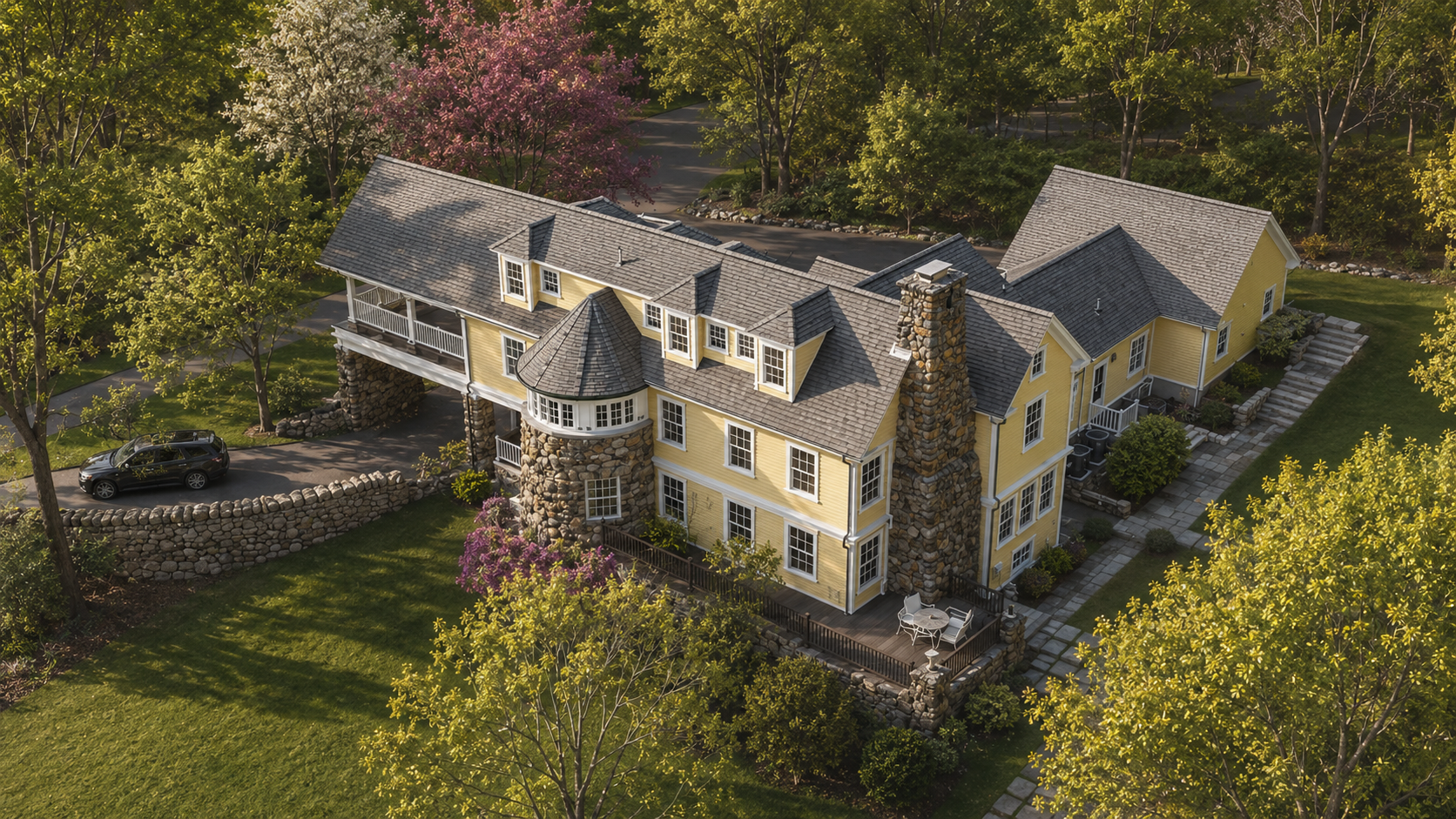
Capture, organize, and deliver the existing conditions.
Pointknown combined field capture, visual documentation, and Revit modeling to give the project team one organized source of truth.
GeoSLAM LiDAR Scanning
Efficient field capture of the residence, exterior conditions, and complex building geometry.
Drone Capture
Aerial context for roof geometry, site relationships, hardscape, and surrounding conditions.
360 Photo / Video
Hosted visual documentation for remote review without requiring a separate 360 viewer download.
Revit Model
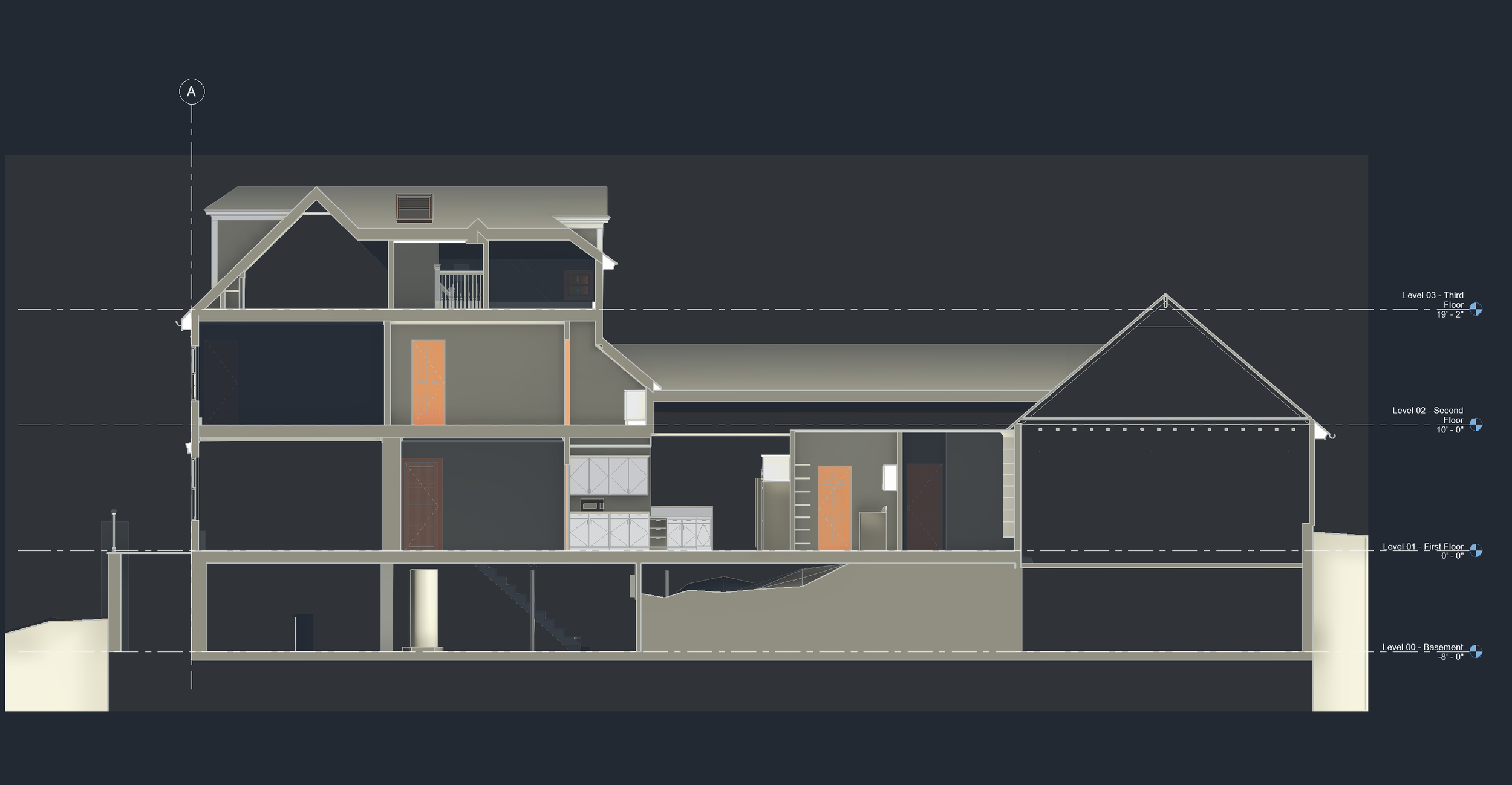
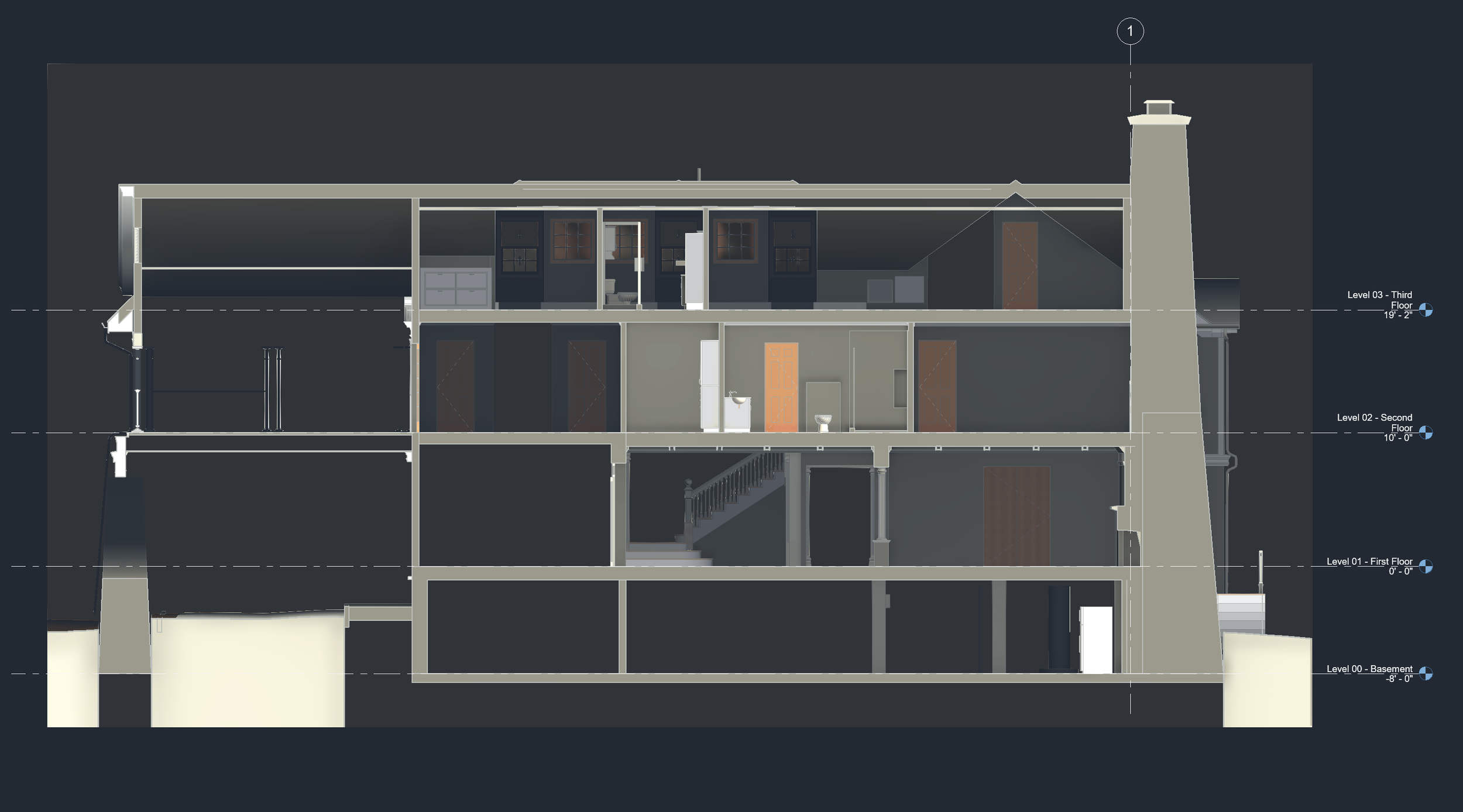
A coordinated existing-conditions model built to support design and planning decisions.
Site / Topo Documentation
Documentation of surrounding grades, patios, decks, retaining walls, stairs, and hardscape.
Design-Ready Baseline
Accurate information organized so the design/build team could move forward from the same starting point.
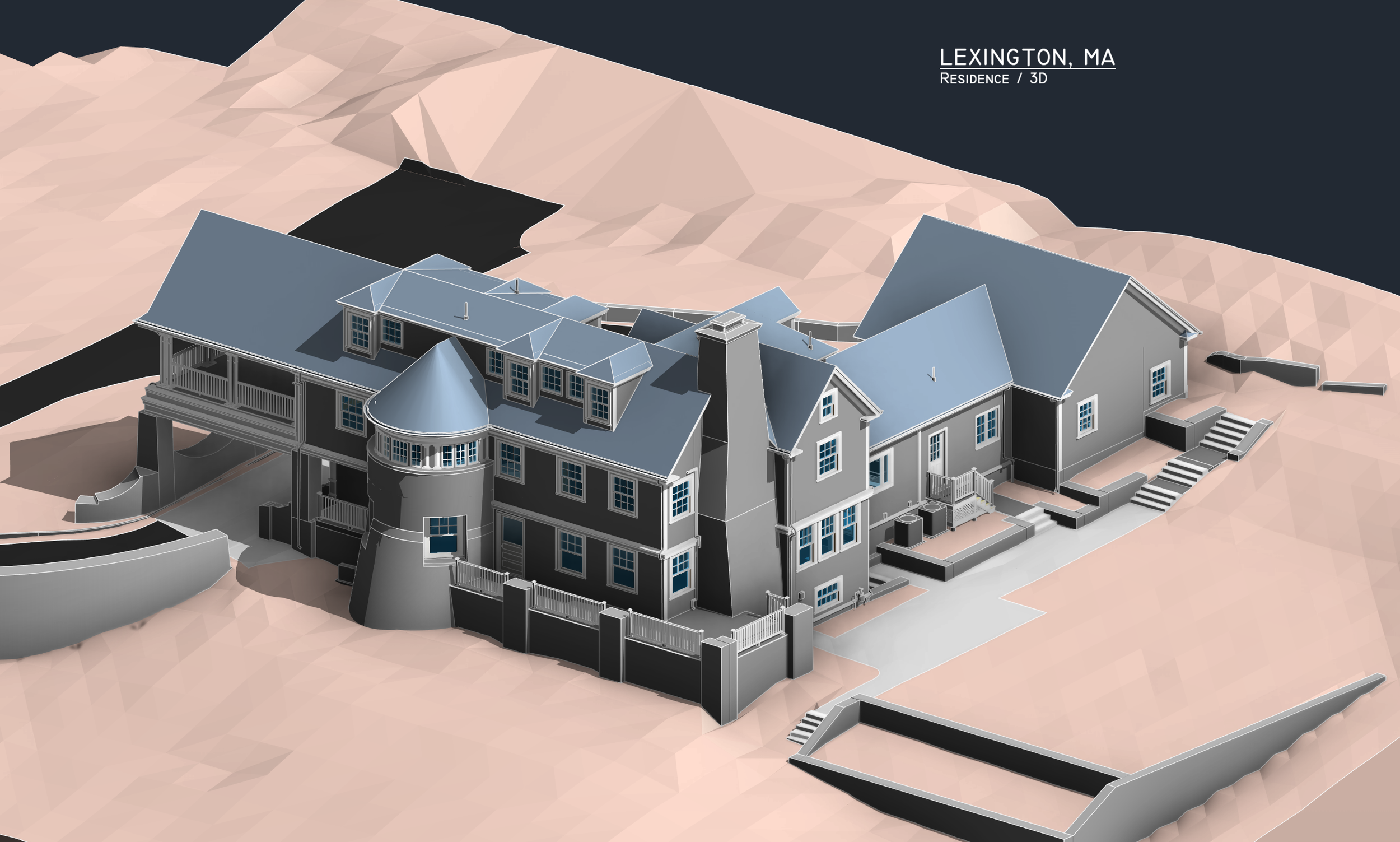
One shared truth for the whole team.
The project team needed more than measurements. They needed usable information.
By documenting the property thoroughly and translating the capture into a coordinated model and site documentation package, Pointknown helped reduce uncertainty before design and construction decisions moved forward.
That means faster early design decisions, better coordination, fewer assumptions, reduced risk of field conflicts, less time lost to rework, and a stronger ability to resolve issues digitally before work happens on site.
Complex property. Clear starting point.
From field capture to design-ready documentation.
The final package gave the design/build team a practical foundation for planning, coordination, and decision-making.
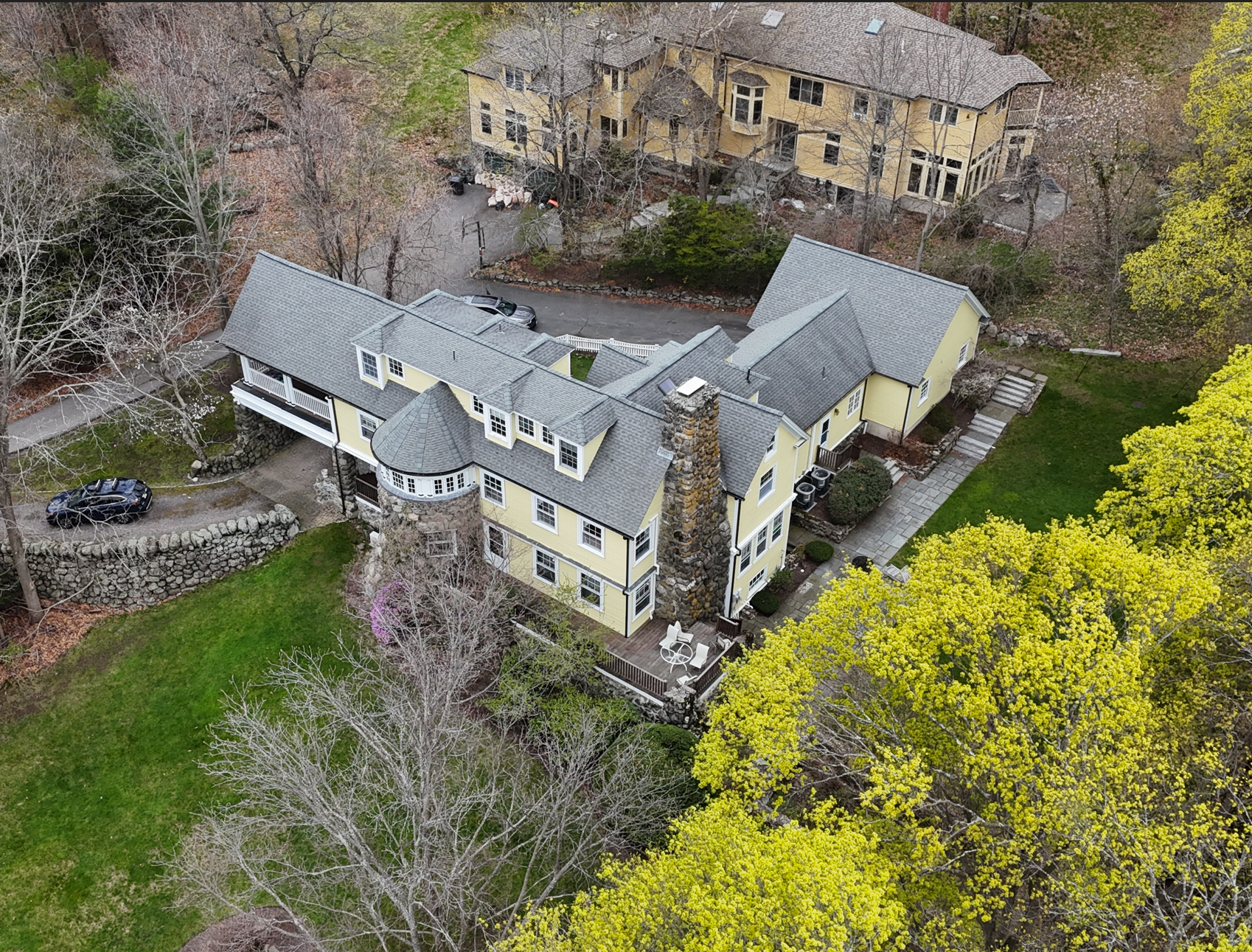
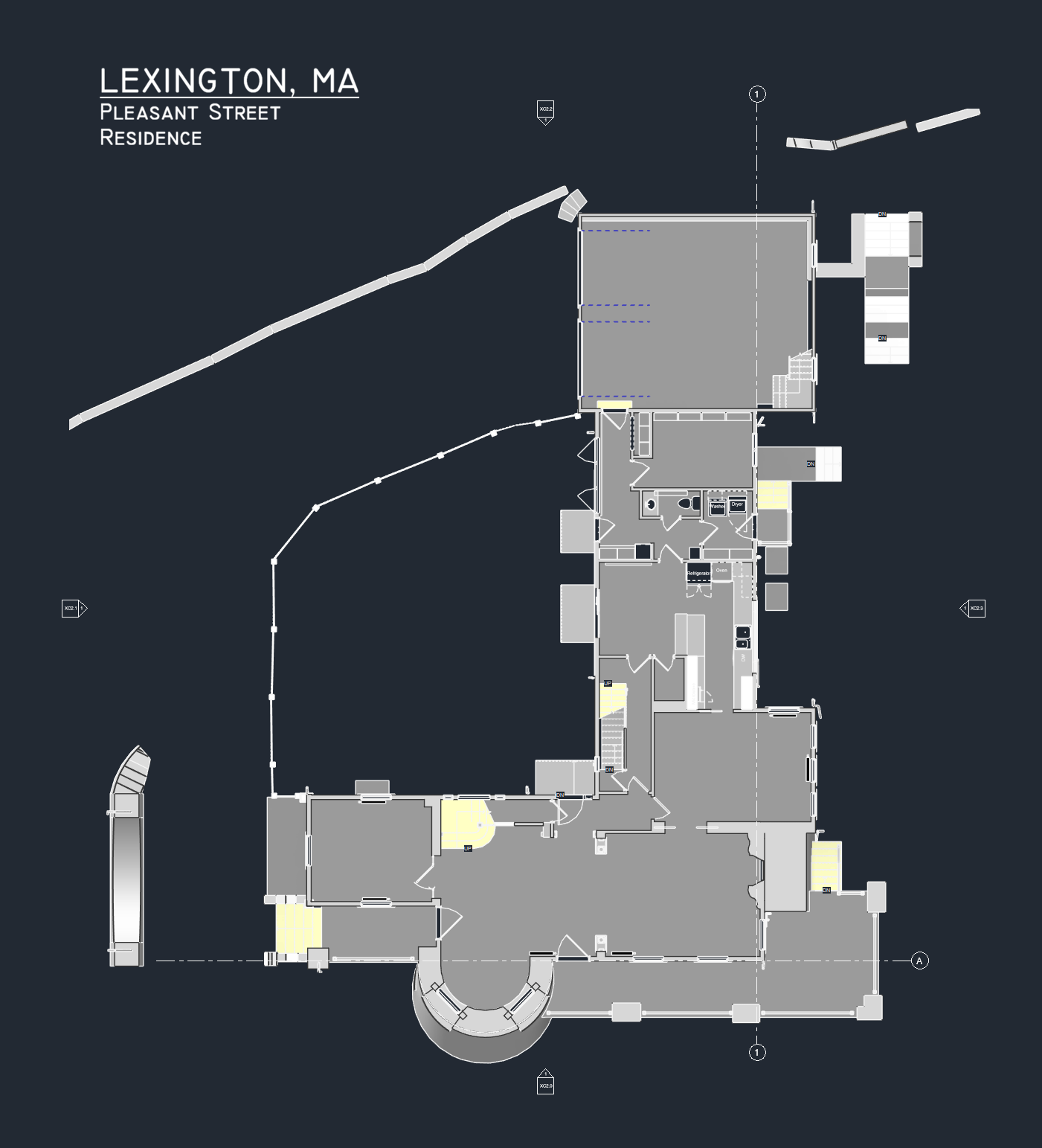
Before design decisions become field decisions.
Pointknown helps architects, owners, and design/build teams capture, organize, and understand the buildings they are working with.
Start a Conversation