
Residential | Commercial | Industrial
Exeter Street Theater / First Spiritual Temple
A landmark at the corner of Exeter and Newbury, documented in 3D so architects, owners, and design teams can work from accurate existing conditions instead of assumptions.
More than a building to measure
Some properties are straightforward. This one is not. At the corner of Exeter and Newbury, this Boston landmark carries deep architectural character, layered history, and the kind of geometry that deserves more than a quick field sketch and a loose floor plan.
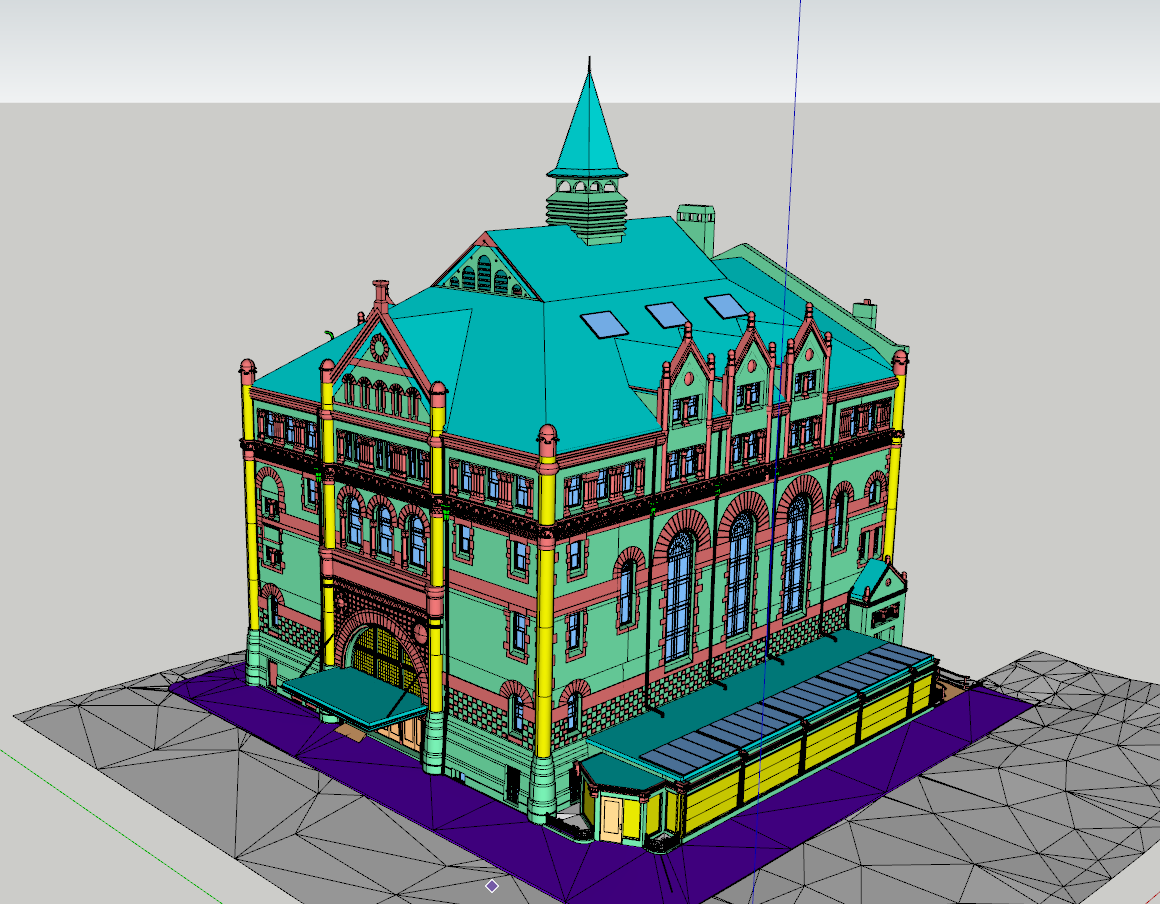
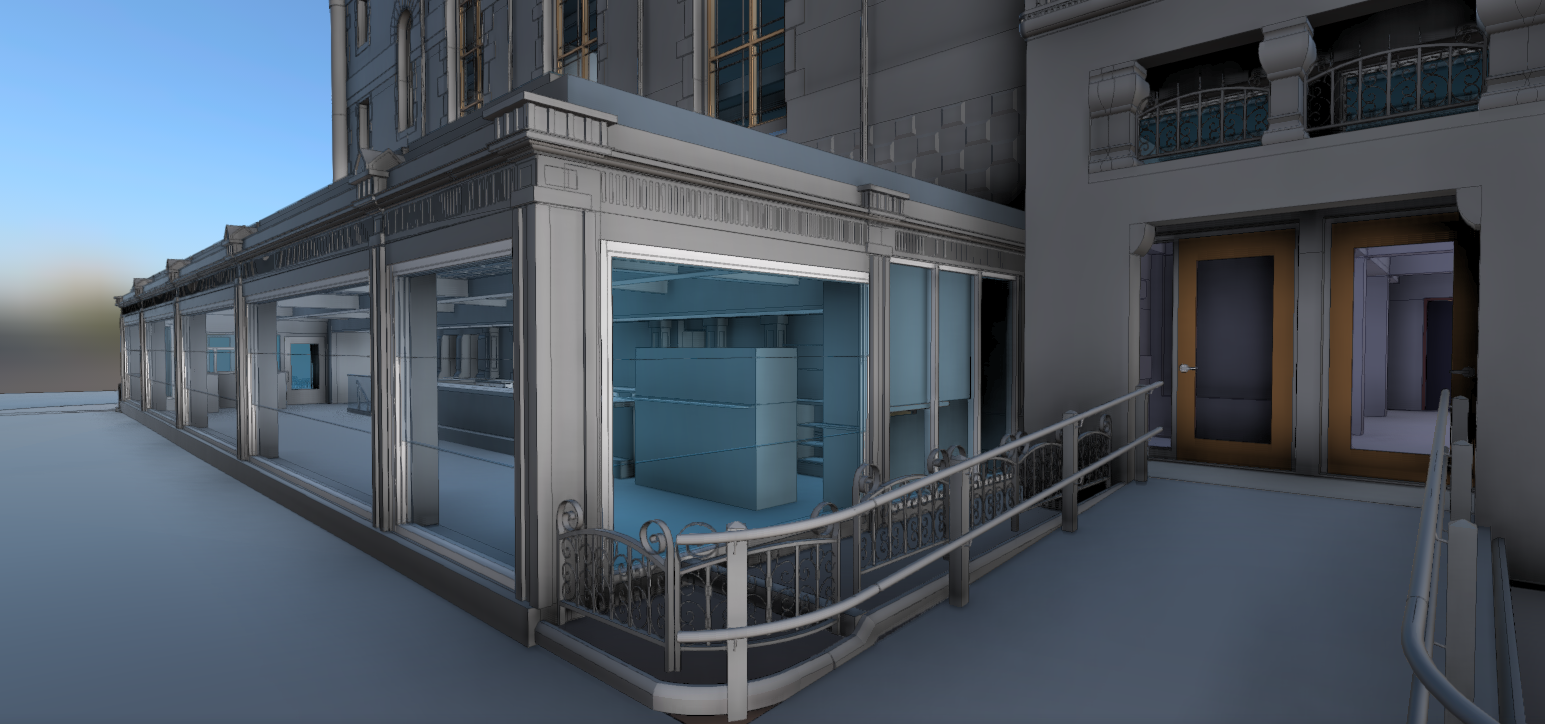
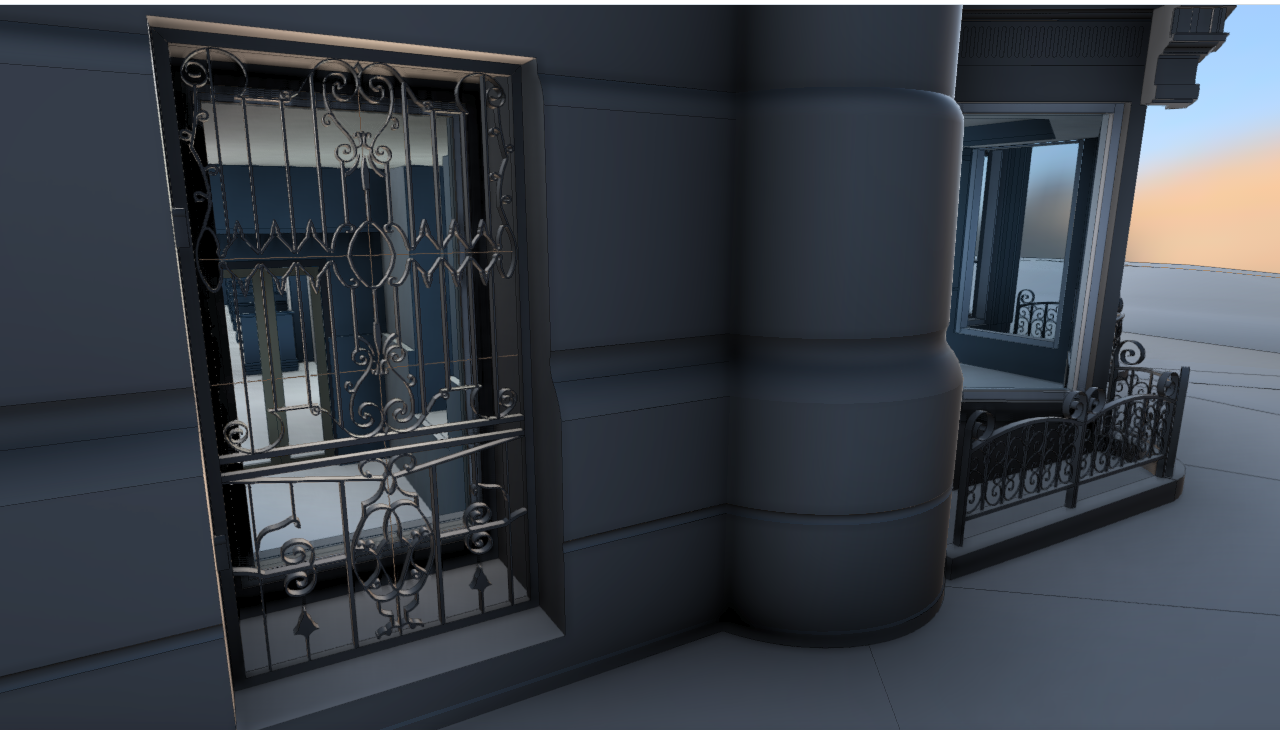
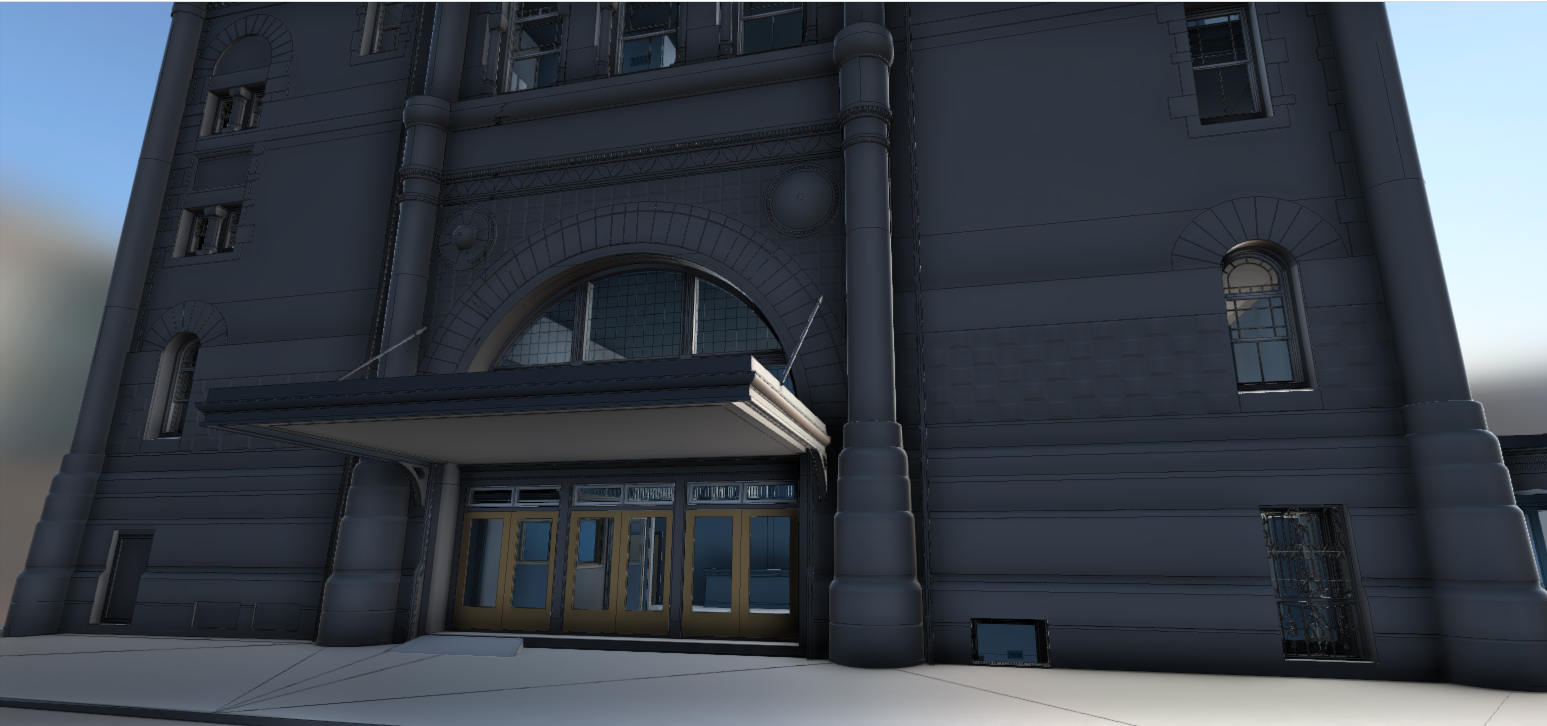
Pointknown documented the full building and exterior details to create a reliable digital baseline: a coordinated existing-conditions model that could support planning, visualization, renovation, and future design work with confidence.
The value here was not simply in recording dimensions. It was in translating a historically significant structure into usable, design-ready information without flattening the complexity that makes the building what it is.
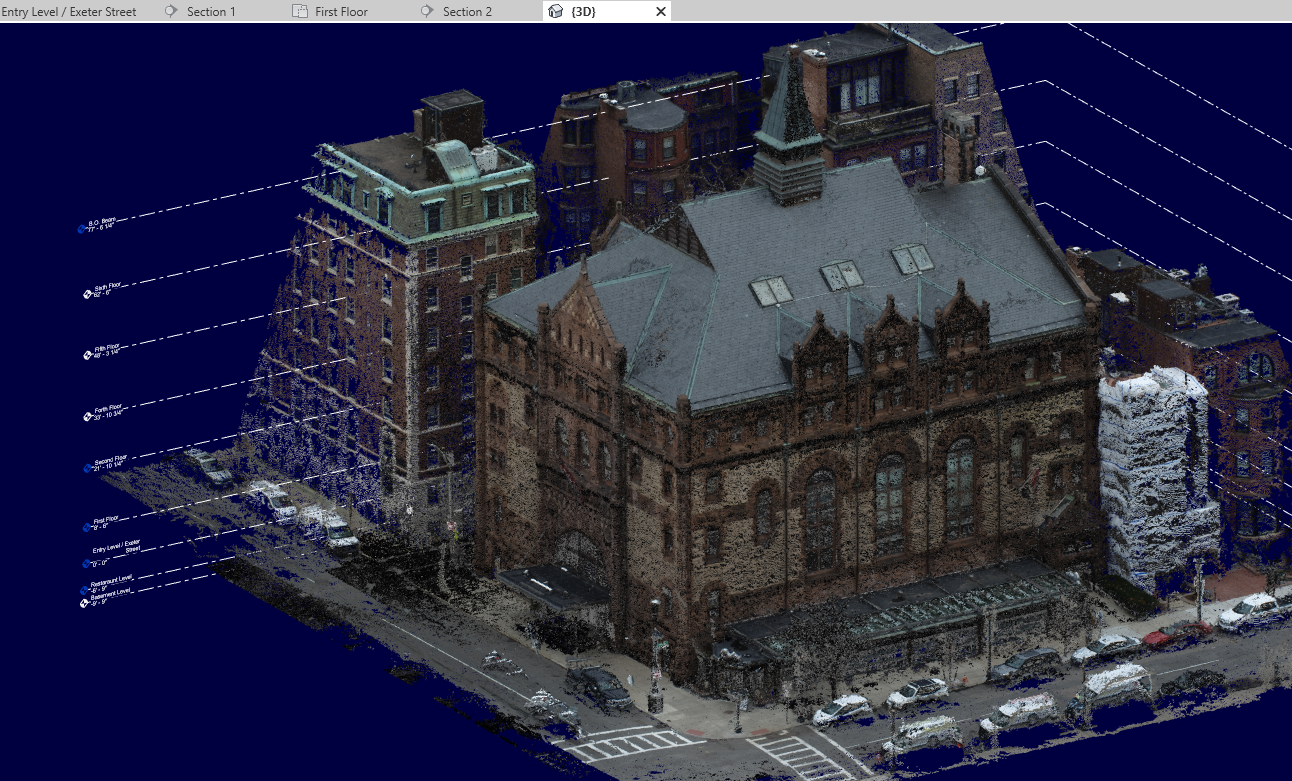
Historic character, translated into a working model
The goal was to preserve what matters in digital form: massing, façade rhythm, roof form, street relationship, and the accumulated changes that shape how the building is actually understood today.
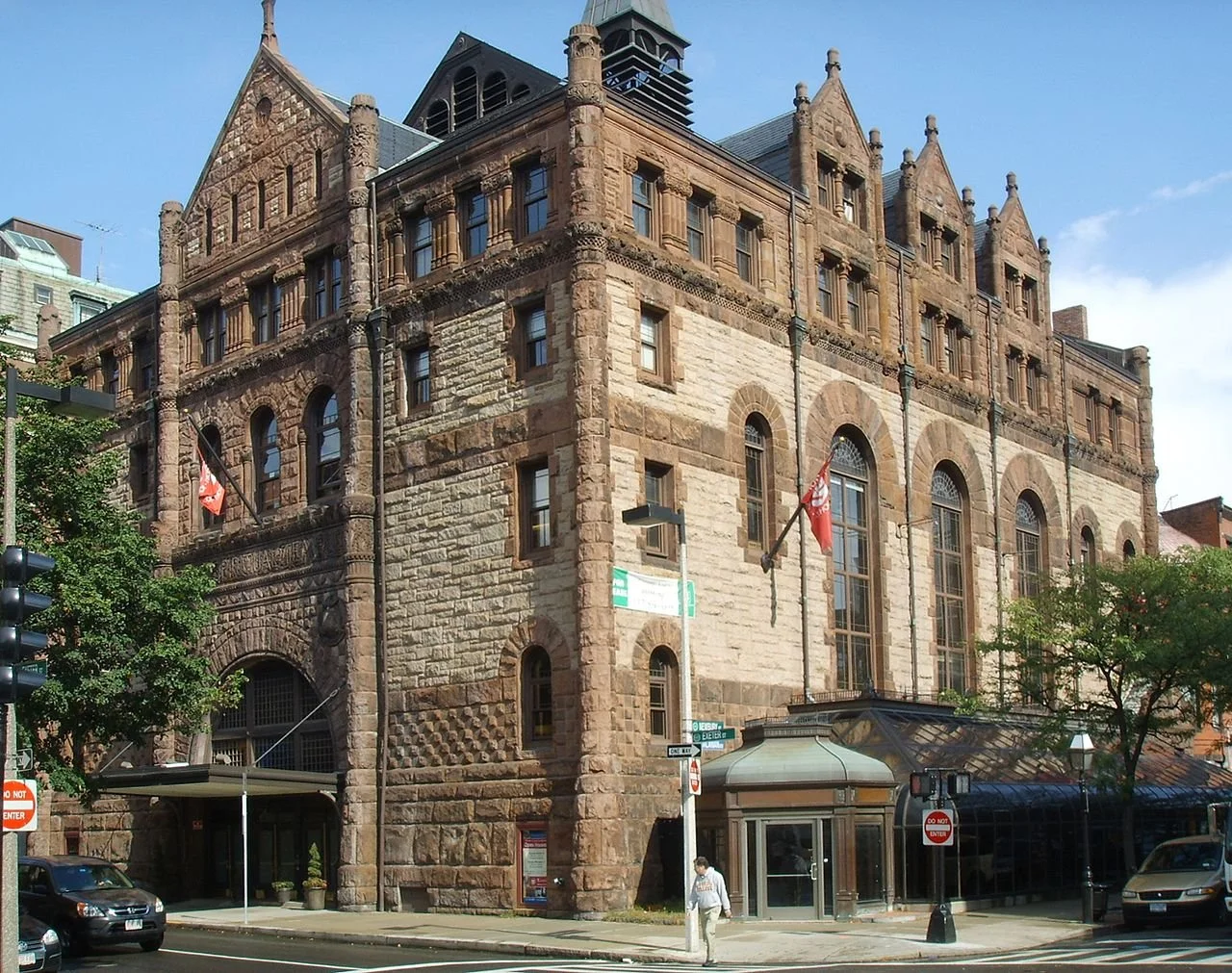

A building with a story worth keeping intact
This project works best when it is framed as a continuity story. A Boston landmark with a long public life became a documentation problem, then a modeling problem, then a decision-making asset.
Instead of treating history as a sidebar, the page should let the building’s architectural identity lead the narrative. That makes the technical work feel more valuable, because the audience immediately understands why precision matters here.
For architects, preservation-minded owners, and adaptive reuse teams, the result is simple: better information at the beginning leads to better decisions later.
How Pointknown documented the property
Capture
Mobile scanning, supplemental control measurements, 360 capture, and drone-derived data were combined to record both the building and its exterior context.
Register
The datasets were aligned into a usable existing-conditions environment so the building could be reviewed as a coherent whole rather than as disconnected field information.
Model
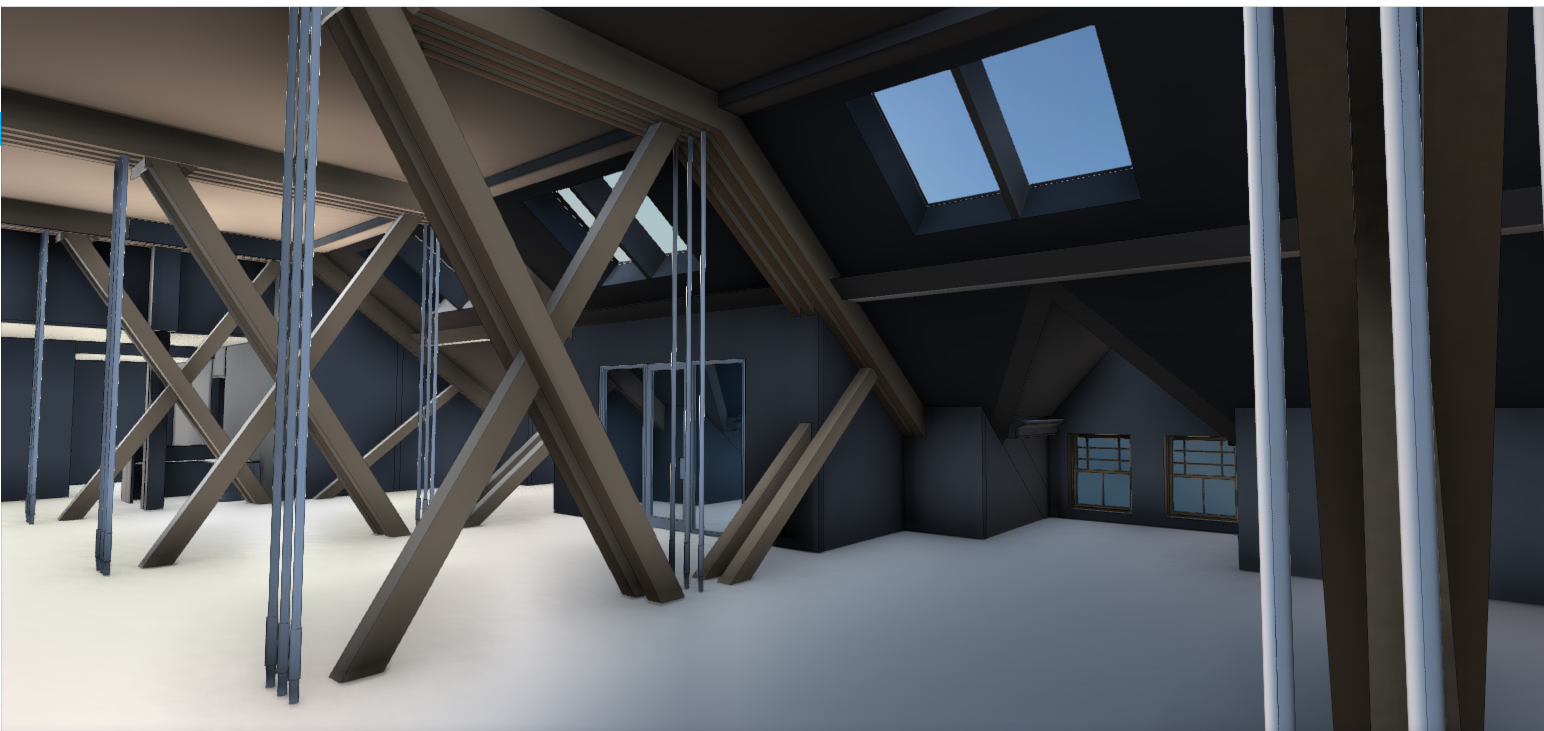
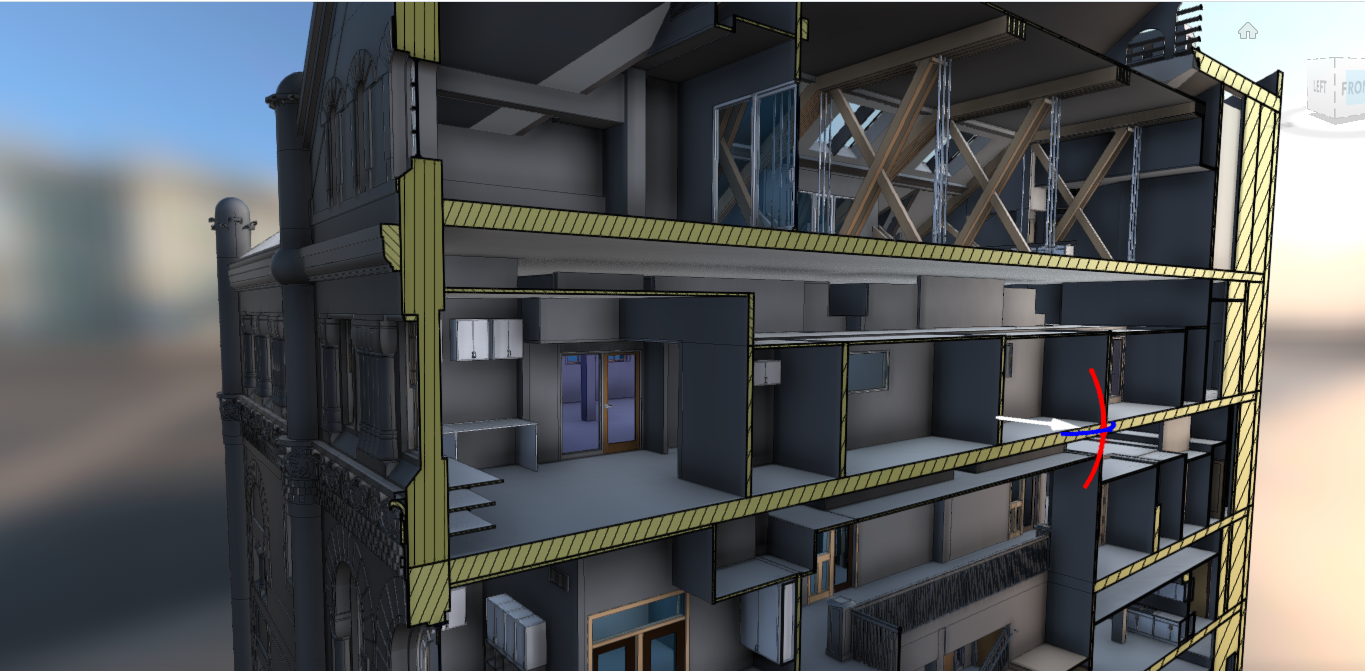
The point cloud and supporting imagery were translated into a detailed Revit model capable of supporting additional views, drawings, and downstream design workflows.
Deliver
Final outputs included a Revit model, 3D DWG, 2D plan and elevation documentation, and geometry that could continue into other platforms as the project evolved.
Capture. Register. Model. Verify.
The strength of the project is not just the model itself. It is the chain of evidence behind it: scan data, visual reference, exterior detail, and coordinated outputs that let the team trust what they are seeing.
Historic buildings do not behave like clean, modern shells
Buildings like this are full of decisions hidden in plain sight: façade thickness, stair relationships, roof form, structure, appendages, and accumulated modifications from different eras of use.
When those conditions are not documented clearly, design teams lose time rebuilding the building from fragments. When they are documented well, the project starts from understanding instead of uncertainty.
- Exterior detail can be reviewed without repeated return visits
- Historic massing and roof geometry are preserved in usable 3D form
- Drawings and sections can be generated from a coordinated model base
- Teams can plan renovation or reuse work with fewer assumptions
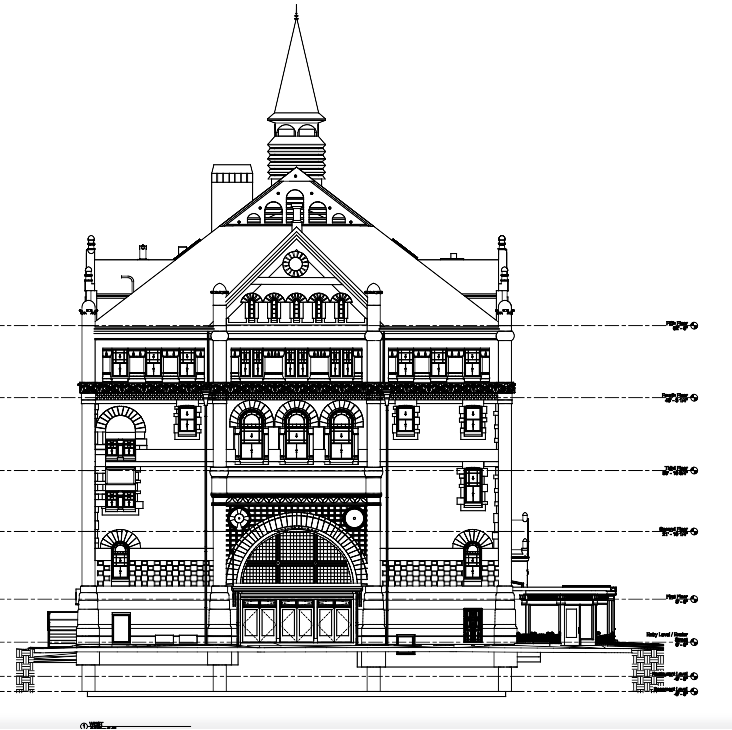
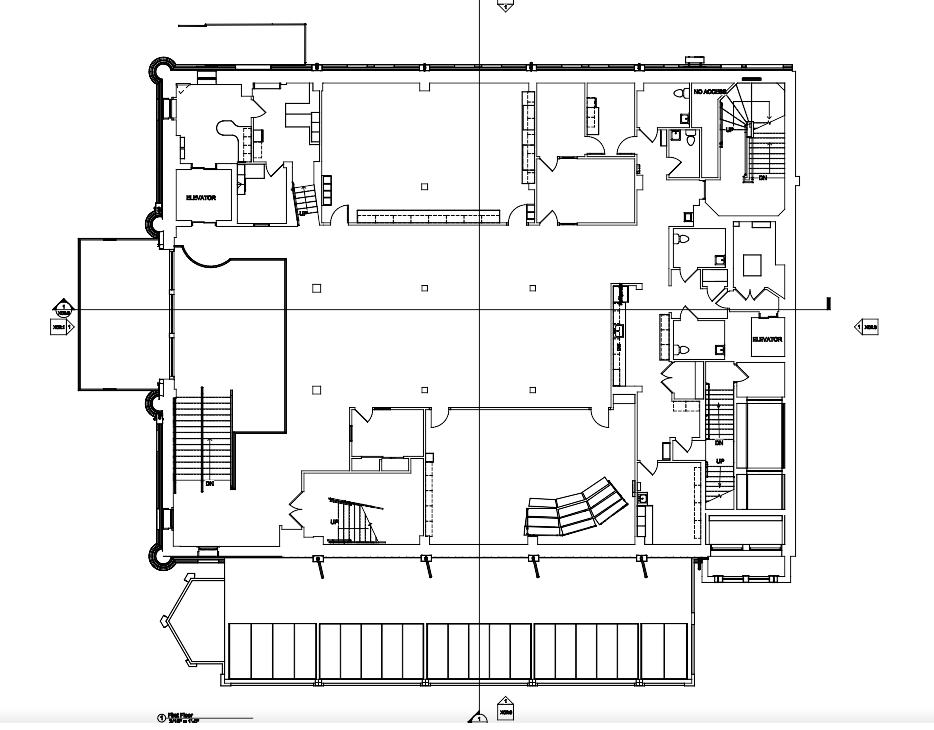
The story in images
Historic buildings deserve better than approximation
Pointknown helps architects, owners, and design teams turn complicated existing conditions into usable information—whether the project is a landmark restoration, adaptive reuse effort, or simply a renovation that needs a trustworthy starting point.