
Residential | Commercial | Industrial
Lexington Center
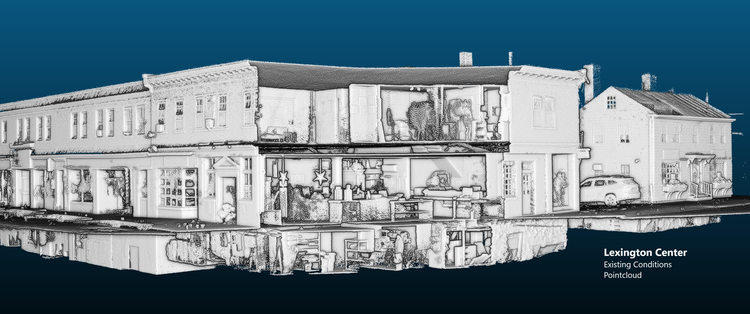
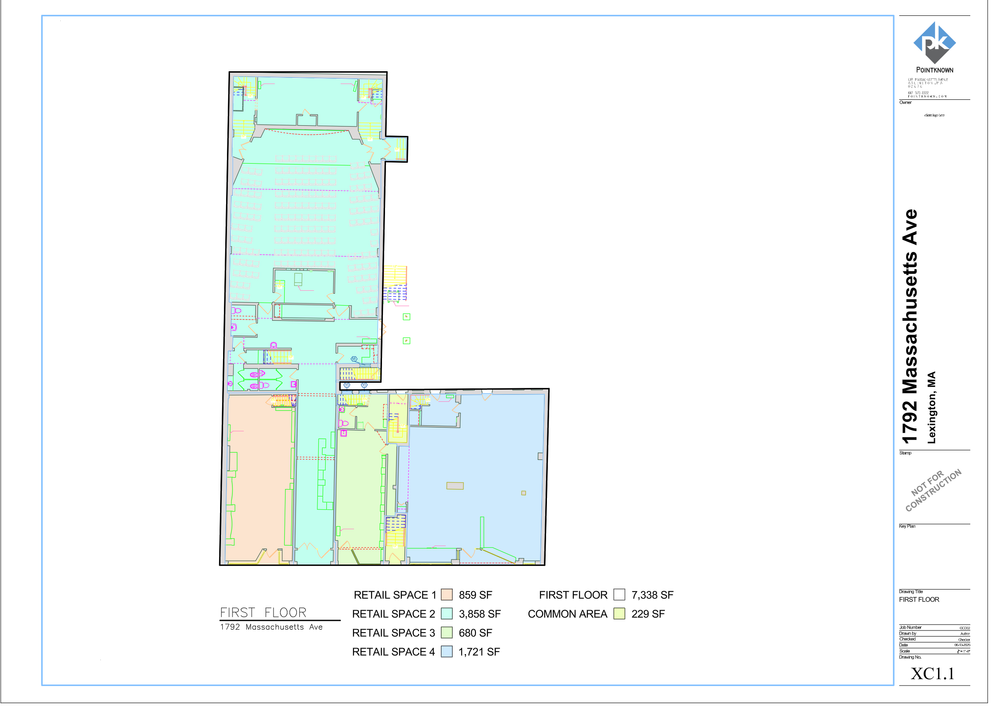
What began as a floor plan project evolved into space calculations and, later, a fully realized Revit model — all from the same original capture. No return site visit required.
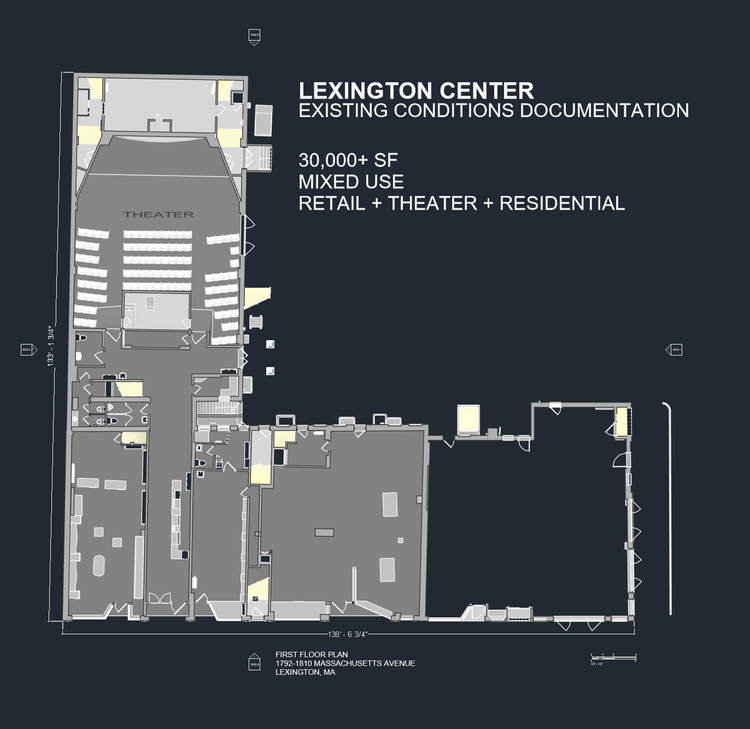
This project is a strong example of why quality existing conditions capture matters. The client originally came to Pointknown for floor plans. We scanned the space and produced the initial plan set in May.
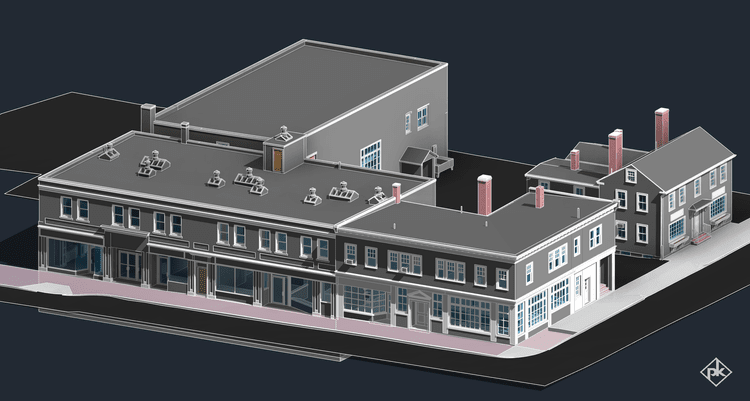
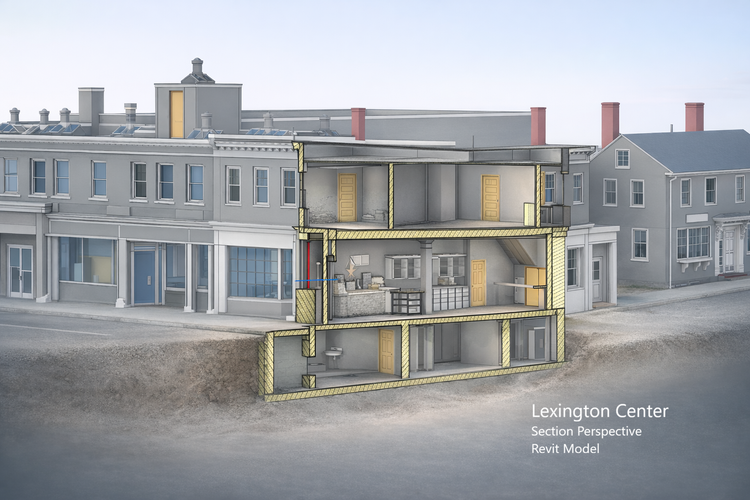
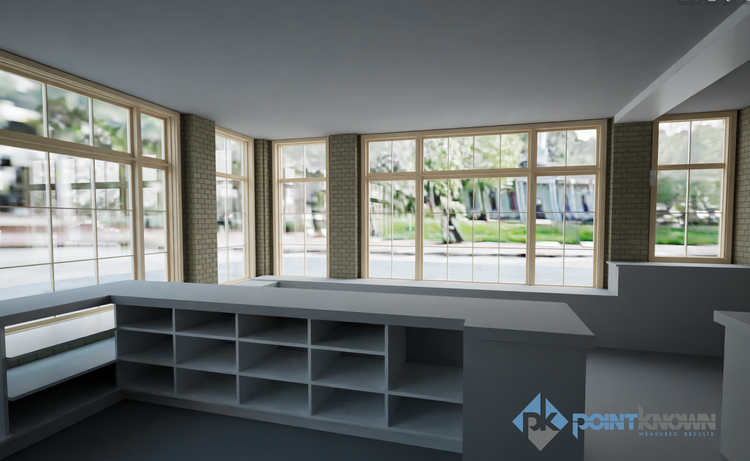
In October, the scope expanded. Using the same captured information, we generated space calculations for all spaces without starting over. Then, most recently, when the client brought in an architect and the need shifted again, we were able to create a full Revit model with complete reflected ceiling plan information by leveraging the original scan data.
No site revisit. No re-measuring. No lost momentum. Just well-collected information continuing to create value as the project evolved.
Capture once. Leverage many times.
The best existing conditions work does more than solve today’s problem. It creates a reliable foundation for whatever the project needs next.
Initial Capture + Floor Plans
The project began with a request for existing floor plans. Pointknown scanned the space and delivered clear plan information to support the client’s immediate needs.
Space Calculations
Months later, the client needed space calculations for all spaces. Because the original capture work was done well, we were able to build on that foundation and produce the added scope efficiently.
Full Revit Model
When an architect joined the project and requested a more complete Revit model, including reflected ceiling plan information, we leveraged the same scan data again — with no need for a site revisit.
Start with Good Capture
When existing conditions are documented carefully from the start, the information becomes more valuable than a single deliverable.
Adapt as Needs Change
Projects evolve. A client may begin with floor plans, then need space calculations, then require a complete BIM model. The right foundation makes that possible.
Avoid Starting Over
Because the original data was captured well, later phases could be completed without a return site visit — saving time, reducing disruption, and preserving momentum.
- Existing floor plans
- Space calculations for all spaces
- Full Revit model
- Reflected ceiling plan information
- Visual context to support decision-making
This is where reality capture proves its value. Not just in documenting what exists today, but in creating a reusable source of truth that can support future needs as a project grows.
For Lexington Center, that meant one capture effort supporting multiple rounds of work across many months. What started as a floor plan engagement became a deeper documentation and modeling effort, all built on the same underlying scan data.
Measured. Results.
Need existing conditions documentation that can keep delivering value as your project evolves? Pointknown provides reality capture, CAD, Revit modeling, and visual context that give teams a stronger foundation from day one.