01
Capture
Document occupied floors, below-grade areas, study spaces, storage rooms, and critical interior geometry.

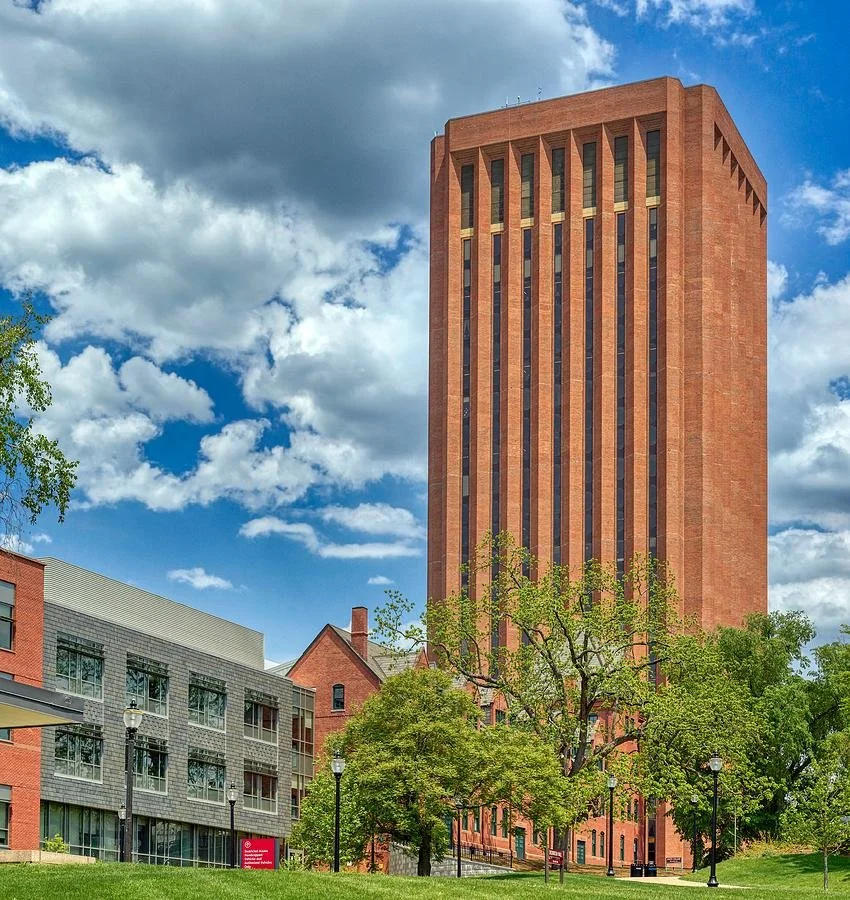
Pointknown documented the W.E.B. Du Bois Library at UMass Amherst, capturing all 26 floors, below-grade offices, study spaces, storage areas, waffle slab conditions, lighting fixture layouts, and interior geometry for a comprehensive existing conditions Revit model.
The Du Bois Library is one of the most recognizable buildings on the UMass Amherst campus. For a building of this scale, reliable existing conditions are not just helpful — they are the foundation for planning, coordination, and confident decision-making.
Pointknown’s role was to turn a large, vertical, detail-intensive building into organized building information that architects, engineers, and facilities teams could actually use.
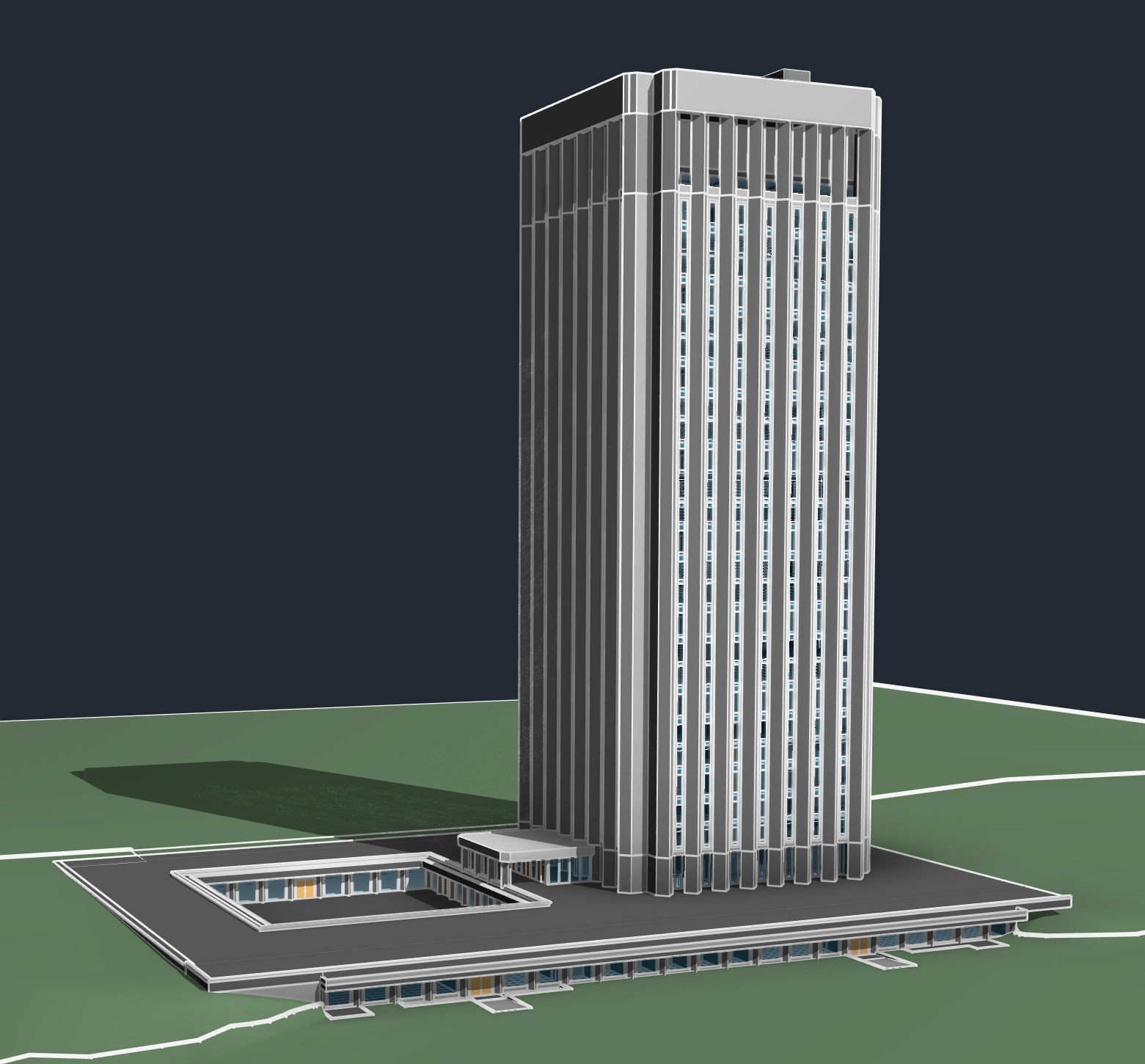
The challenge was not a single dramatic condition. It was consistency across the whole building: repeated floors, hidden exceptions, below-grade spaces, study areas, storage rooms, structural conditions, and lighting layouts that all needed to come together cleanly.
This was an earlier-generation field documentation workflow, but the underlying principles are the same ones Pointknown applies today: careful site verification, organized data collection, model discipline, and deliverables structured for design use.
Document occupied floors, below-grade areas, study spaces, storage rooms, and critical interior geometry.
Use field photography, laser measurement, and repeatable documentation methods to reduce ambiguity.
Build a coordinated Revit model that represents the building clearly without overcomplicating downstream use.
Provide design-ready existing conditions information that supports planning, renovation, and facilities decisions.
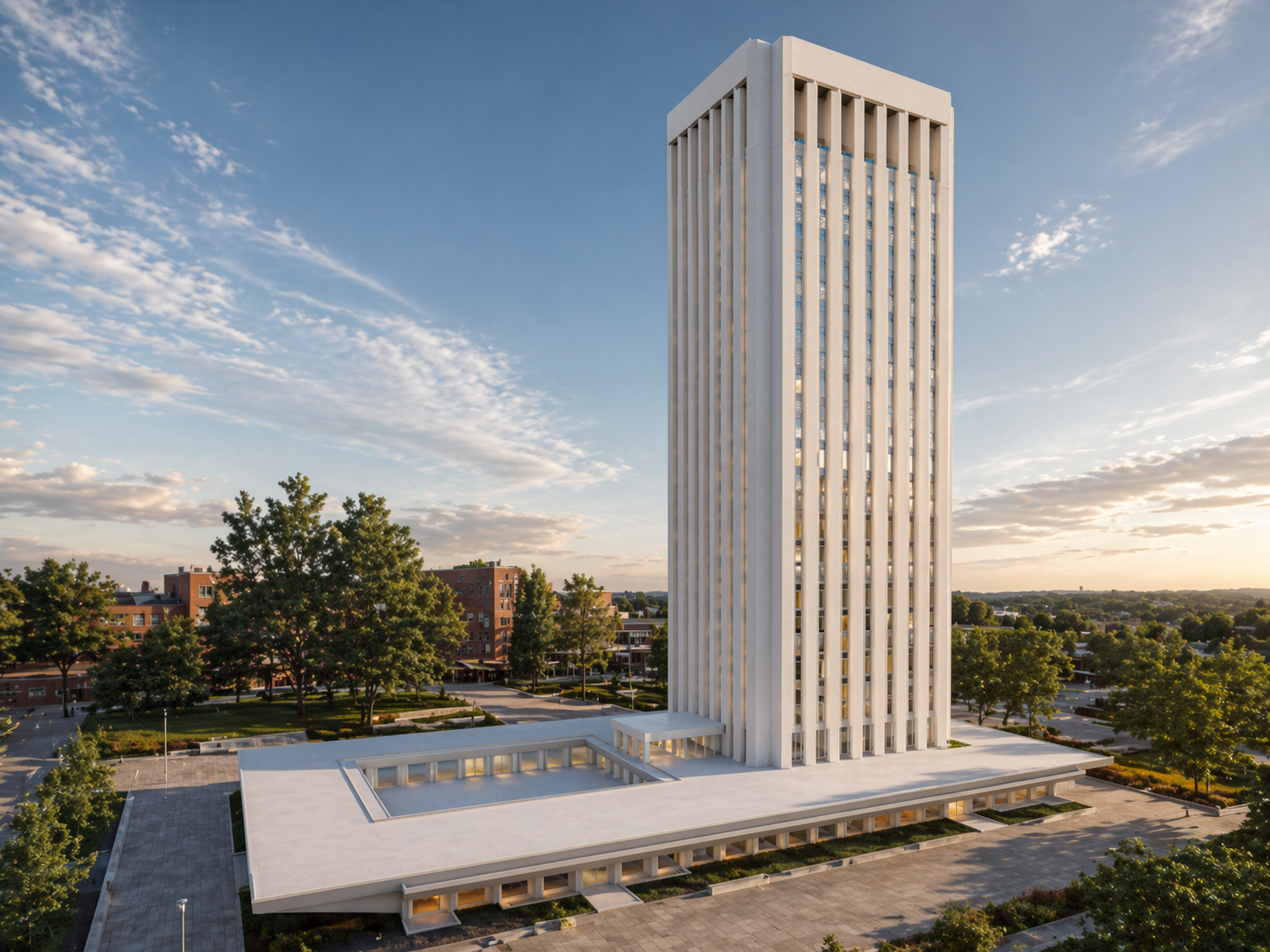
A polished image can tell part of the story. The real value is in the drawings and model structure: plans that make sense, sections that explain vertical relationships, and a Revit model that organizes complex conditions into something the project team can use.
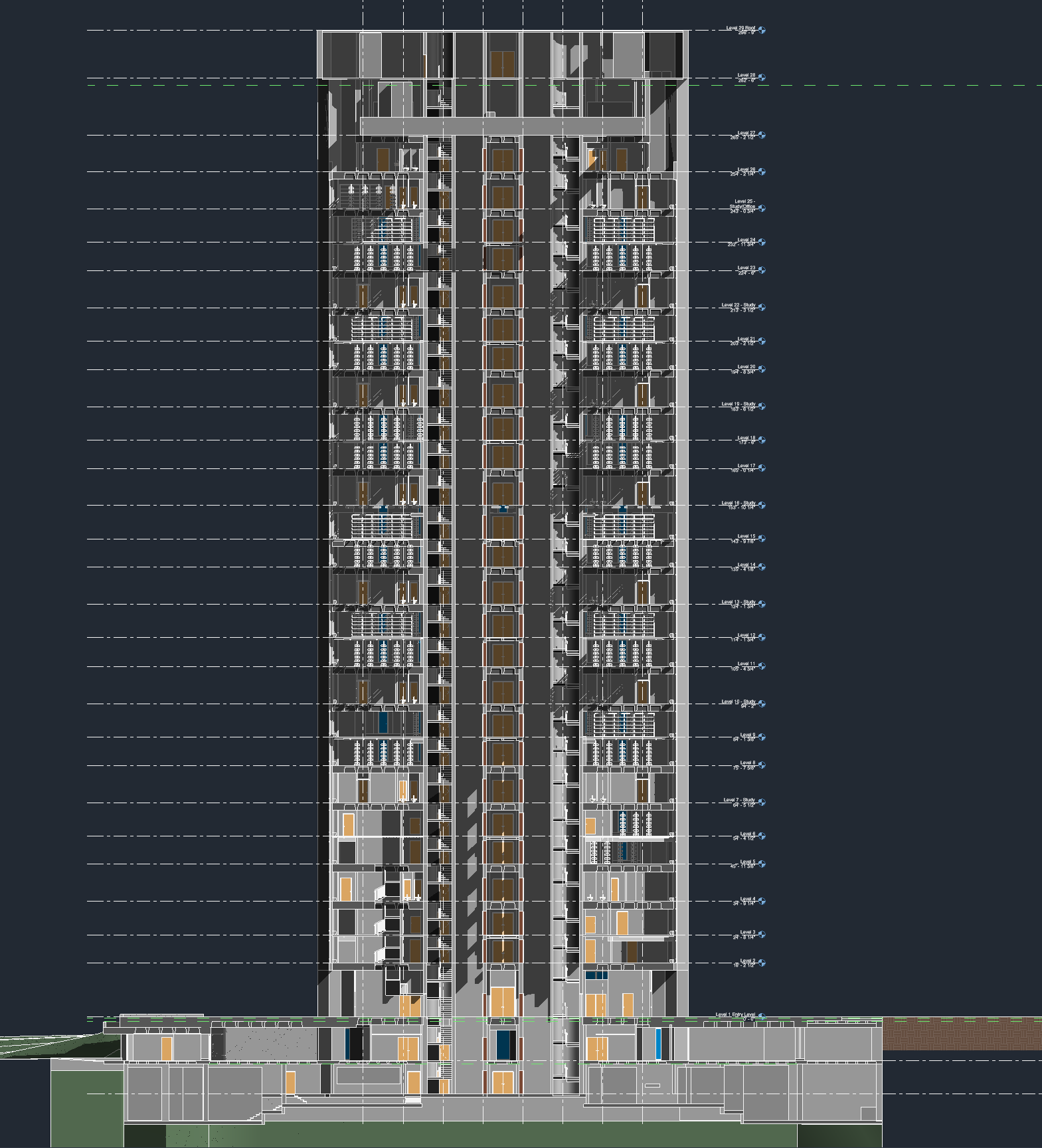
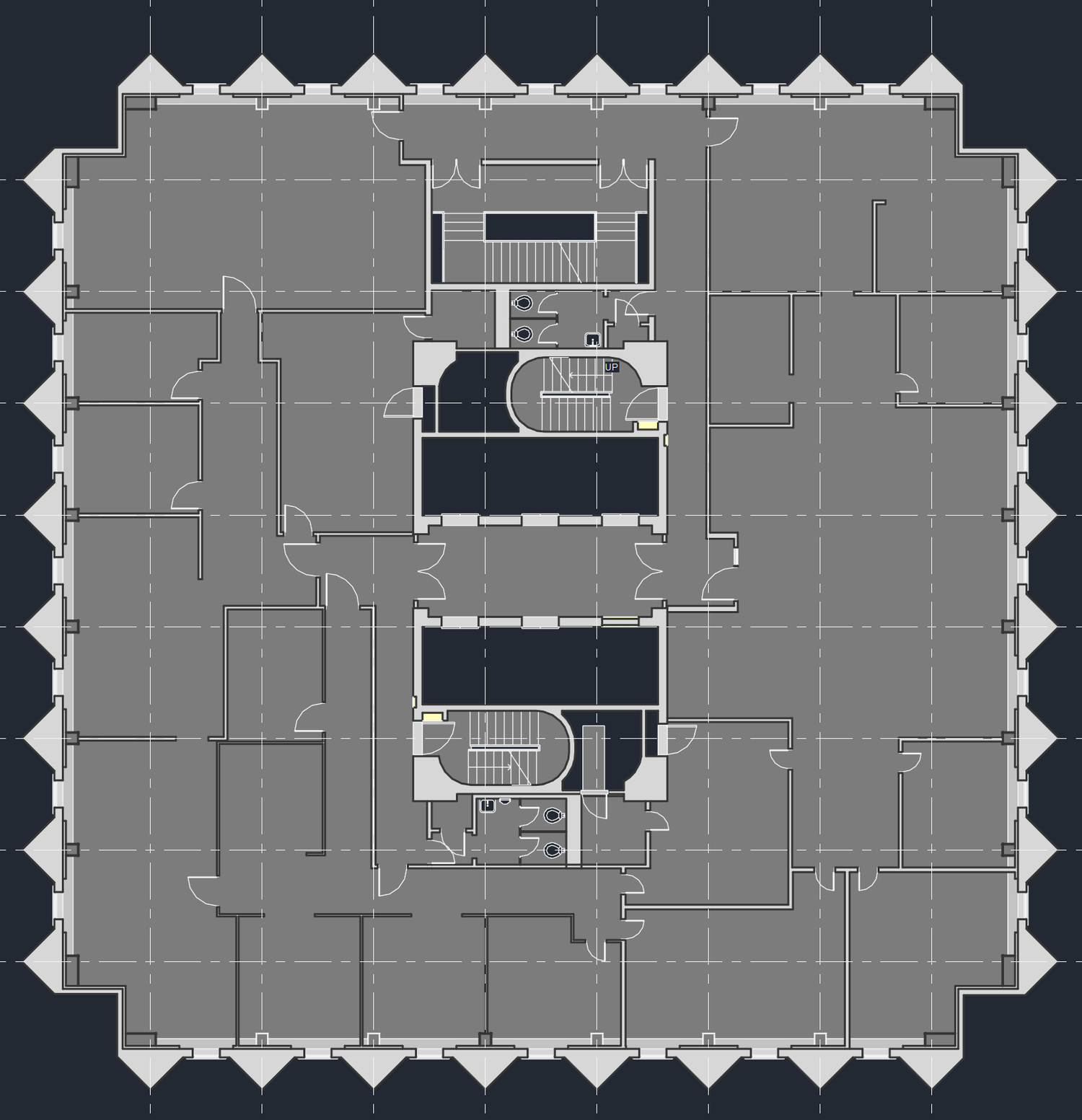
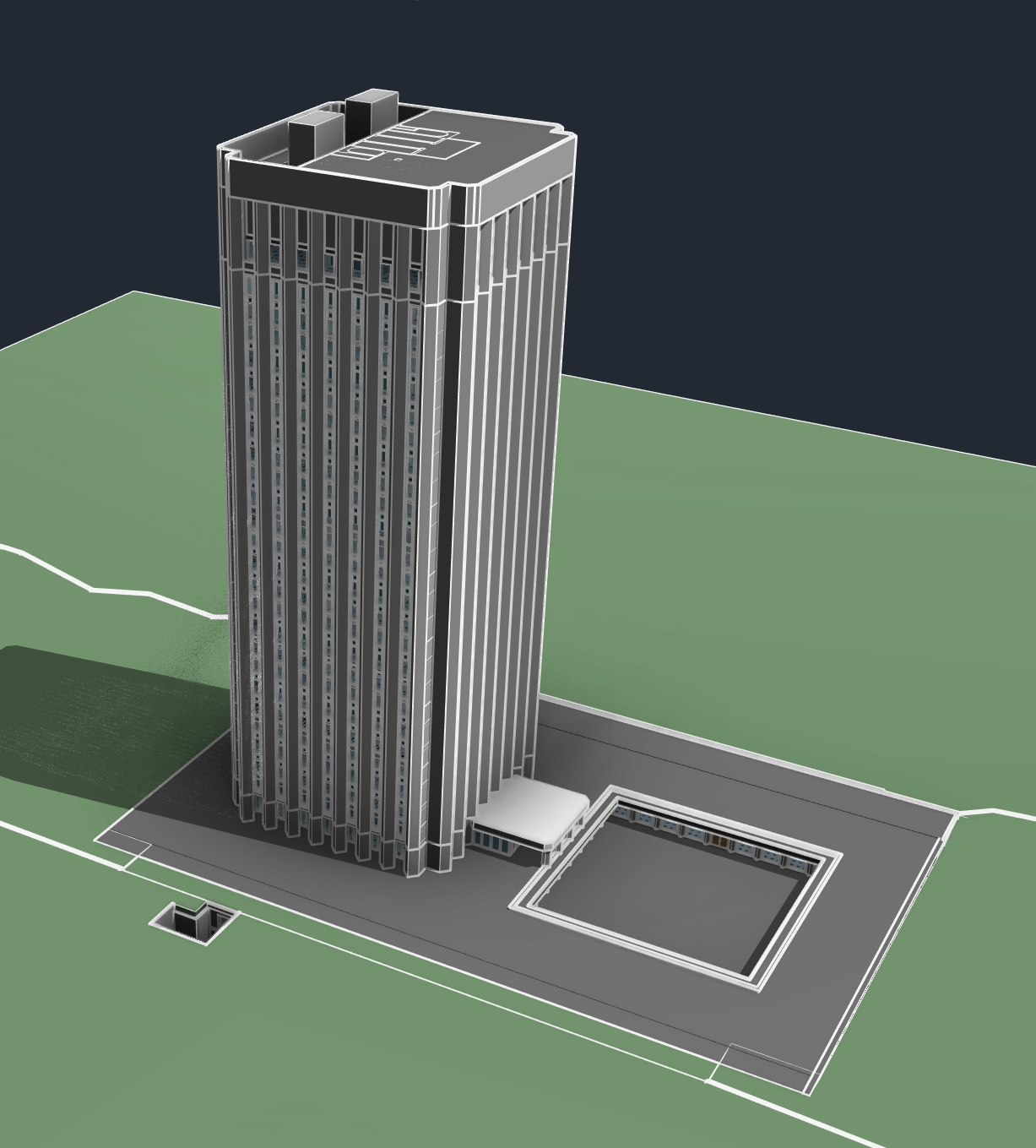
Full interior documentation across the occupied tower floors, with consistency floor-to-floor.
Offices, study areas, storage rooms, and lower-level conditions included in the documentation effort.
A coordinated model built to help teams plan renovations, understand conditions, and reduce unknowns.
Structural conditions captured and represented so coordination decisions could be made with better context.
Fixture locations and layout information documented as part of the broader existing conditions scope.
Organized building information that allows architects, engineers, and owners to move forward with confidence.
We turn complex existing buildings into clear, usable Revit and CAD deliverables so project teams can spend less time guessing and more time designing.